


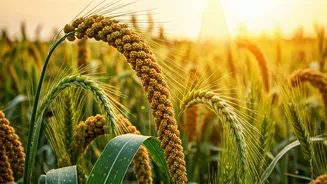
First, What Even Are Millets?
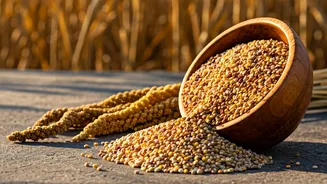
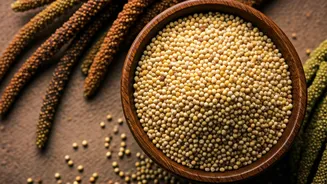
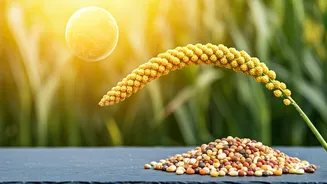
For many Americans, the word 'millet' conjures one image: birdseed. It’s time for a major rebrand. Millet isn't a single grain, but a diverse family of small-seeded grasses that have been cultivated for over 7,000 years in Asia and Africa. Varieties like
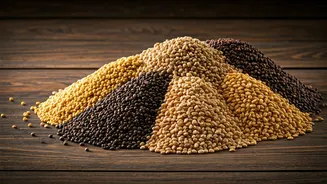
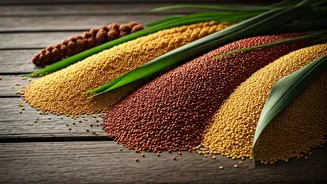
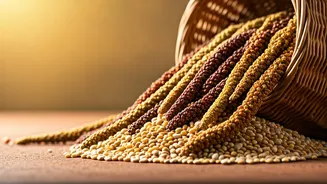
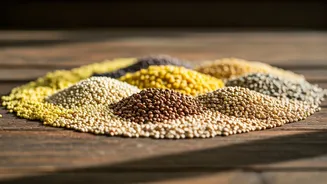
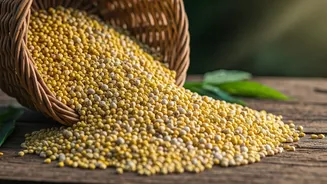
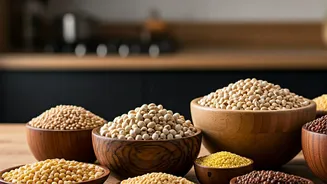
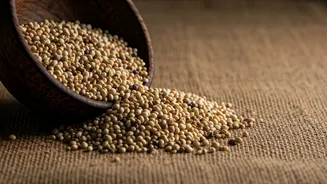
sorghum, pearl millet, foxtail millet, and proso millet are staple foods for hundreds of millions of people worldwide. Unlike wheat or rice, which are single species, millets are a group defined by their hardiness and small size. They come in a range of colors, from creamy white to deep red, and offer a variety of subtle flavors, often described as nutty and slightly sweet. Thinking of them as 'birdseed' is like calling grapes 'raisin ingredients'—it misses the entire, delicious point.
A Grain That Thrives in a Changing Climate
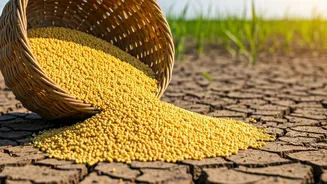
Here's where millets start to look less like a pantry item and more like a solution. In an era of increasing droughts, unpredictable weather, and concern over water usage, our dominant crops are showing their vulnerability. Millets, on the other hand, are built for adversity. Many varieties are naturally drought-tolerant, requiring significantly less water than corn, wheat, or rice. They can thrive in poor, sandy soil with minimal fertilizer, making them an ideal low-input crop for farmers. This incredible resilience is what allowed them to sustain ancient civilizations through harsh conditions, and it’s what makes them a profoundly modern solution for building a more sustainable and secure food system. When we talk about eating for the planet, millets are a huge part of the answer.
The Nutritional Power You'd Expect
A food can be great for the planet, but if it isn't great for us, it won’t make it to the dinner table. Millets deliver on the health front, too. They are naturally gluten-free, making them a fantastic whole-grain option for people with celiac disease or gluten sensitivity. They are also packed with nutrients. Most millets are a good source of protein, high in fiber (which aids digestion and promotes satiety), and rich in essential minerals like magnesium, phosphorus, and iron. Their complex carbohydrates are digested slowly, providing sustained energy without the sharp blood sugar spike associated with refined grains. This powerful nutritional profile aligns perfectly with the modern American eater's search for foods that are both functional and wholesome.
So, Why 2026?
Trends don't happen overnight. They build slowly, then seem to appear all at once. The United Nations declared 2023 the 'International Year of Millets,' firing the starting gun on a global awareness campaign. This put the grain on the radar of chefs, food manufacturers, and agricultural experts. Now, we're in the crucial adoption phase. Chefs at innovative restaurants are experimenting with millet as a creamy porridge, a fluffy side dish alternative to couscous, or ground into flour for breads and pastries. Health-conscious brands are starting to feature it in snacks, cereals, and plant-based milks. It takes a few years for these niche applications to filter down to mainstream supermarkets and home kitchens. By 2026, the agricultural groundwork, culinary creativity, and consumer education will have converged. It’s the year millets will move from the 'international foods' aisle to a staple in the American pantry.