



The Search for a Digital Detox
Our lives are governed by notifications. From the moment we wake up to the moment we fall asleep, we are tethered to screens that demand our constant attention. The cabin escape offers the ultimate antidote: forced disconnection. Many popular cabin rental
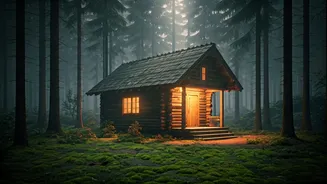
companies, like Getaway, even include a lockbox for your phone, encouraging guests to unplug completely. This isn't just about avoiding work emails; it's a conscious act of reclaiming mental space. In a world of endless content and digital noise, the silence and simplicity of a cabin in the woods feels less like a vacation and more like a necessary psychological reset. The appeal is the promise of boredom in its purest form—the kind that allows for creative thought, genuine conversation, and a much-needed break from the tyranny of the algorithm.
A Post-Pandemic Travel Shift
The COVID-19 pandemic fundamentally reshaped how we think about travel. Suddenly, crowded hotel lobbies, packed airplanes, and bustling tourist sites felt risky. In their place, the isolated, self-contained nature of a cabin became the ideal solution. It offered a change of scenery without the crowds. This shift in preference has had a lasting impact. Travel platforms like Airbnb reported significant spikes in searches for rural and unique stays, a trend that has persisted long after lockdowns ended. We learned to value privacy and control over our environment, and the cabin—a self-sufficient bubble in the heart of nature—perfectly caters to that desire. It allows for the freedom of travel with an added layer of perceived safety and personal space.
The Rise of the 'Cabin Aesthetic'
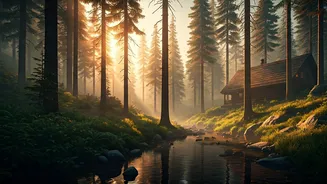
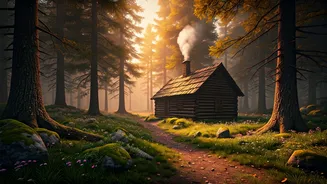
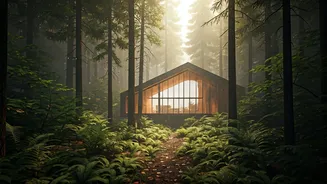
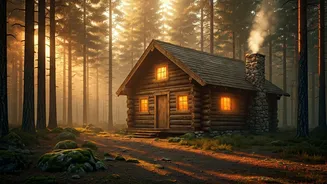
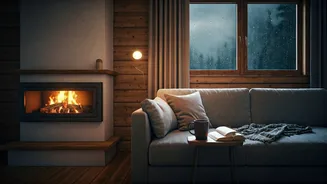
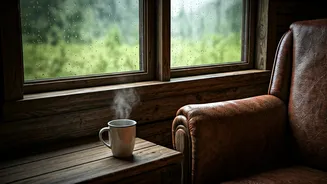
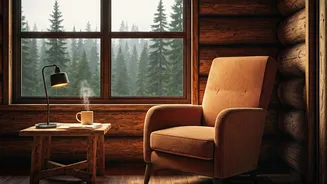
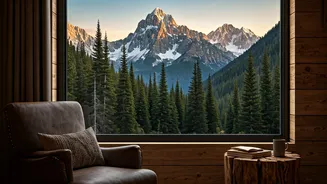
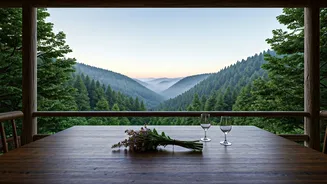
You've seen it on your Instagram feed: the artfully placed wool blanket, the steaming mug held between two hands, the large window perfectly framing a snowy forest. Social media has created a powerful visual language around the cabin, turning it into a full-blown aesthetic. Hashtags like #cabinlife and #cozycabin have millions of posts, romanticizing the experience and making it highly aspirational. This isn't just vanity; it's marketing. Boutique cabin companies have mastered the art of creating photogenic spaces that look as good online as they feel in person. This visual appeal has introduced the idea of a rustic getaway to a younger, more design-conscious demographic who might have previously opted for a city break.
An Antidote to Urban Burnout
For the millions of Americans living in dense urban or suburban environments, the daily grind can be draining. The constant noise, the traffic, the feeling of being surrounded—it all contributes to a pervasive sense of burnout. A cabin getaway serves as a direct counterpoint to that experience. It's a return to basics. The core activities—building a fire, taking a walk, cooking a simple meal—are grounding and tangible. This trend aligns with a broader cultural movement towards minimalism and intentional living. For a few days, you can live with less and feel like you have more. It’s a temporary rejection of the complexity and pressure of modern life in favor of something elemental and deeply human.
Nature as the New Wellness Retreat
The wellness industry has expanded far beyond yoga and green juice. Today, spending time in nature—a practice sometimes called 'forest bathing' or 'ecotherapy'—is widely recognized for its mental and physical health benefits. Studies have shown that being in nature can reduce stress, lower blood pressure, and improve mood. The cabin escape is the perfect vehicle for this kind of wellness. It's not about a packed schedule of spa treatments; it's about the simple, restorative power of the natural world. Waking up to birdsong instead of an alarm, breathing in fresh, pine-scented air, and seeing a star-filled sky are powerful wellness experiences in their own right. The cabin puts you on the doorstep of nature's spa, available 24/7.