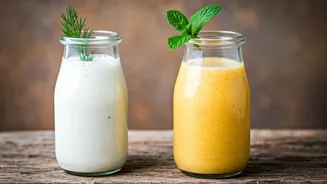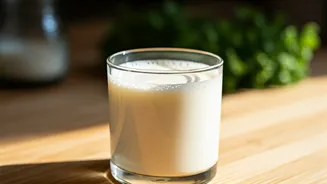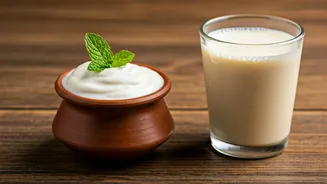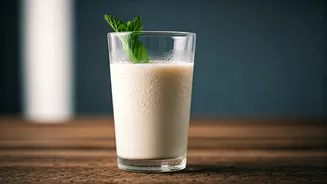






The Unlikely Wellness Trend
It seems every few months, a new beverage is crowned the king of gut health. We’ve seen the rise of fizzy kombucha, the dominance of creamy kefir, and the persistence of apple cider vinegar shots. But the latest contender isn’t a new, venture-capital-backed
elixir. It’s buttermilk—the tangy, humble liquid many of us associate more with Southern biscuits and fried chicken than with modern wellness. So, why the sudden resurgence? The answer lies in the public’s ever-growing obsession with the gut microbiome. As consumers become more educated about the benefits of probiotics and fermented foods, they’re starting to look past the flashy packaging and realize that powerful, gut-friendly ingredients have been here all along. Buttermilk is the antithesis of the typical wellness fad: it’s cheap, widely available, and refreshingly unpretentious.
Cultured vs. Traditional: What’s in Your Carton?
Before you rush to the store, it’s important to understand what you’re buying. The “buttermilk” most of us know today is not the same as what our great-grandparents drank. Traditional buttermilk is the thin, watery liquid left over after churning cream into butter. While nutritious, it’s rarely sold in modern supermarkets. The carton you grab from the dairy aisle is ‘cultured buttermilk.’ This version is made by adding live bacterial cultures—specifically, lactic acid bacteria—to low-fat milk. These cultures ferment the milk, thickening it and giving it its characteristic tangy flavor. And here’s the key: those same live cultures are what make it a probiotic powerhouse. So, while it’s not the ‘original,’ cultured buttermilk is precisely the version that delivers the gut-health benefits people are talking about. It’s a product of intentional fermentation, much like yogurt or kefir.
The Science of the Sip
The term ‘probiotic’ refers to live microorganisms that, when consumed in adequate amounts, can provide a health benefit. The lactic acid bacteria in cultured buttermilk are a prime example. These beneficial bacteria can help support a healthy balance in your gut microbiome, the complex community of trillions of microbes living in your digestive tract. A well-balanced microbiome is linked to improved digestion, a stronger immune system, and even better mental health. While buttermilk might not have the same diversity or high concentration of bacterial strains as a high-potency kefir, it offers a gentle and accessible entry point into the world of fermented foods. Its acidity can also make some nutrients, like calcium, easier for the body to absorb.
The Affordable Alternative to a Crowded Field
Let’s be honest: maintaining a wellness routine can be expensive. A single bottle of artisanal kombucha can cost upwards of five dollars. A small container of high-quality kefir isn’t far behind. A quart of cultured buttermilk, however, typically costs less than either. This affordability makes it a more sustainable and inclusive option for people wanting to incorporate more fermented foods into their diet without breaking the bank. It also generally contains less sugar than many commercially flavored kombuchas and yogurts, offering a tart, savory flavor profile that can be a welcome change from overly sweet wellness drinks. In a market saturated with hype, buttermilk’s appeal is its simplicity and value.
More Than Just a Beverage
While you can certainly drink a small glass of buttermilk straight, its greatest strength might be its versatility. Its acidity makes it a fantastic marinade for chicken or pork, tenderizing the meat beautifully. It’s the secret ingredient in the fluffiest pancakes, the most tender biscuits, and the best ranch dressing you’ll ever make. Using buttermilk in your cooking is an easy way to reap its benefits without having to commit to drinking it plain. A splash in a smoothie, a base for a creamy soup, or a key component in a batter—it integrates seamlessly into foods you already love, making it a functional ingredient that works double-duty for flavor and health.