





The ‘Humanization’ of Pet Care
The simplest reason for the pet gut health boom? We’re treating our pets more like ourselves. For the past decade, human wellness has been dominated by conversations about the microbiome, probiotics, and how digestive health impacts everything from our mood
to our immune system. As pet owners increasingly see their dogs and cats as family members, it was only a matter of time before these wellness trends crossed over. Companies have recognized that the concerns we have about our own health—like inflammation, digestive comfort, and food sensitivities—are concerns we now project onto our pets. This “humanization” trend is the primary driver, creating a massive market for products that mirror our own health supplements and dietary choices, from kombucha to kimchi.
More Than Just Tummy Troubles
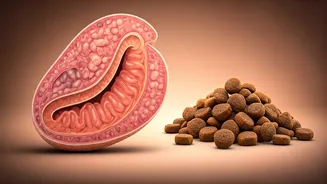
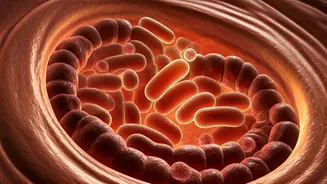
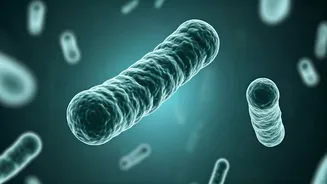
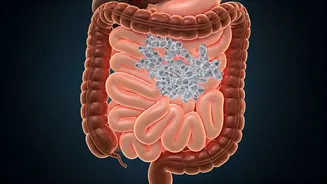
So, what does “gut health” even mean for a pet? It’s about much more than just solid stools. The gut microbiome is a complex community of trillions of bacteria and other microbes living in the digestive tract. Scientists are increasingly understanding that this internal ecosystem is central to an animal’s overall well-being. A balanced gut is linked to a stronger immune system, as a significant portion of immune cells reside in the gut. It can also influence skin and coat health, potentially reducing issues like itching, hot spots, and allergies. Some early research even suggests a link between the gut and a pet’s behavior, connecting it to anxiety and stress levels. When brands talk about gut health, they’re really talking about a gateway to solving a whole host of other common pet problems.
The Science Is Catching Up
This isn't all just marketing fluff. While the pet wellness industry is certainly capitalizing on the trend, there is a growing body of veterinary science to support it. Research into the canine and feline microbiome is a rapidly expanding field. Studies have begun to link imbalances in gut bacteria (a condition called dysbiosis) to chronic conditions like inflammatory bowel disease (IBD), certain allergies, and even obesity. This emerging science gives credibility to the idea that dietary interventions—like using specific prebiotic fibers to feed good bacteria or introducing probiotic supplements to add more beneficial microbes—can have a real therapeutic effect. It’s no longer a fringe idea; it’s a topic of serious discussion in veterinary schools and research labs.
A New Ecosystem of Products
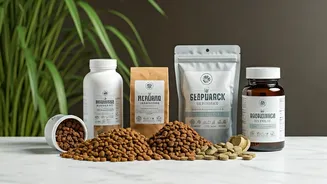
The focus on gut health has created a thriving “wellness ecosystem” of new products and services. It goes far beyond just adding probiotics to kibble. We now have fresh food delivery services that offer customized meals based on a pet's specific needs, often highlighting digestive benefits. There are an endless variety of supplements, from powders and chews to liquid tinctures, each targeting a slightly different aspect of gut function. Diagnostic tests are even available for consumers to get a report on the composition of their pet’s microbiome. This ecosystem provides pet parents with a sense of control and personalization that traditional, one-size-fits-all pet food often lacks, allowing them to feel more proactive in managing their pet’s long-term health.
How to Navigate the Trend
With so many products making bold claims, it can be overwhelming. The most important thing for a pet owner to remember is that your veterinarian should be your primary partner. While a high-fiber diet or a probiotic supplement might be beneficial, it might also be unnecessary or, in some cases, counterproductive depending on your pet's specific condition. Before starting a new supplement or making a dramatic dietary change, have a conversation with your vet. They can help you separate evidence-based solutions from savvy marketing and guide you toward a choice that is safe and truly beneficial for your furry companion. The goal is to support their health, not just jump on the latest bandwagon.