






Defining the 'Green Escape'
So, what exactly is a “quick green escape”? It’s less about a specific destination and more about a state of mind. Think less about conquering a mountain and more about simply being near one. These trips are defined by their brevity—often just a day or a weekend—and
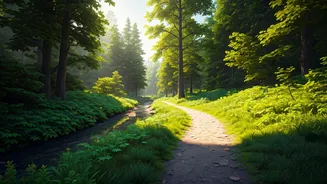
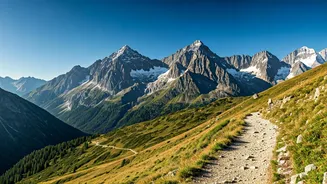
their proximity to nature. It could be a Saturday spent hiking in a state park an hour outside the city, a weekend renting a tiny cabin by a lake, or even an afternoon exploring a local botanical garden. The key ingredients are fresh air, a change of scenery, and a distinct lack of pressure. Unlike the meticulously planned, high-stakes annual vacation, the green escape is spontaneous, low-cost, and centered on restoration rather than performance.
The Rise of the Anti-Vacation
For a generation raised on social media, the pressure to have a picture-perfect, “grammable” vacation is immense. The green escape is a direct rebellion against that. It’s an anti-vacation in the sense that its success isn’t measured by the number of landmarks visited or envy-inducing photos posted. Instead, its value is internal. It’s about disconnecting from the digital world that demands constant performance and plugging into something real and tangible. This trend marks a significant shift from the millennial focus on the “experience economy,” where novel and shareable activities were paramount. For many in Gen Z, the best experience is one that doesn't need to be shared online to be validated.
A Remedy for Digital Burnout
Gen Zers are digital natives, but they’re also the first generation to come of age with a keen awareness of the mental toll of being “always on.” The constant barrage of notifications, social comparisons, and doomscrolling has led to widespread digital fatigue and burnout. Nature offers a powerful antidote. Studies have shown that spending time in green spaces can reduce stress, improve focus, and boost overall well-being. For a generation grappling with high rates of anxiety, a weekend spent among trees is not just a leisure activity; it’s a form of essential self-care. It’s a deliberate choice to trade screen time for green time, replacing the blue light of a phone with the dappled light of a forest canopy.
Driven by Economics and Ethics
This trend isn't just about wellness; it’s also deeply pragmatic. Facing student loan debt, inflation, and a precarious job market, many young adults simply don't have the disposable income for extravagant travel. A weekend camping trip with a $50 tent and a cooler full of groceries is far more accessible than a $2,000 plane ticket and hotel stay. Furthermore, these local escapes align with Gen Z's heightened sense of environmental responsibility. Choosing a local park over a long-haul flight reduces one's carbon footprint, a factor that is increasingly important to younger consumers. This blend of economic reality and ethical consideration makes the quick green escape a perfect solution—it’s affordable, sustainable, and good for the soul.