






Not Just Your Grandfather's Space Race
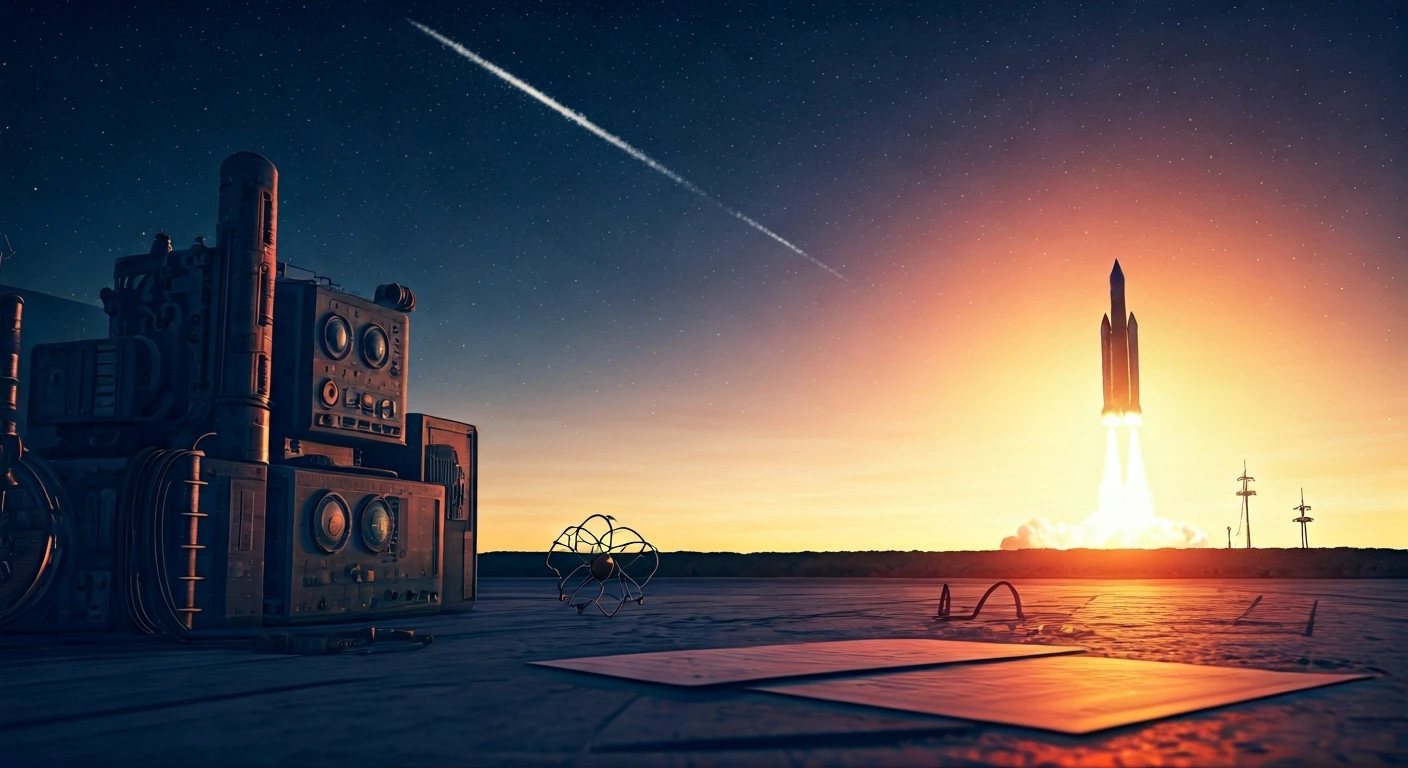
For decades, America’s space ambitions were a government-led affair, defined by the Cold War rivalry and monumental NASA missions like Apollo. Careers were prestigious but limited, concentrated within federal agencies and a few legacy aerospace contractors.
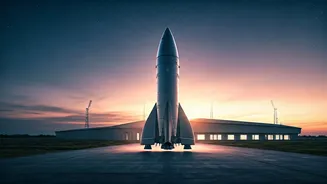
That paradigm has fundamentally shifted. Today, the defining force is the commercialization of space, a sector now commonly called the “New Space” economy. Visionary entrepreneurs and companies like SpaceX, Blue Origin, and Rocket Lab have disrupted the industry, proving that private enterprise can not only reach orbit but do so more cheaply and frequently than ever before. This privatization has transformed space from a destination for national prestige into a platform for business. The result is an economic explosion, with the global space economy already valued at over half a trillion dollars and projected by some analysts to surpass $1 trillion within the next decade.
The New Space Economy Takes Off
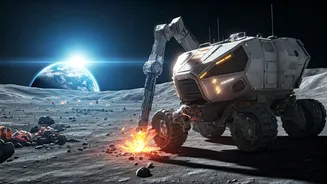
The engine of this job growth isn't just about launching rockets, though that’s certainly part of it. The real expansion is in the services and infrastructure being built in and for orbit. Massive satellite constellations from companies like SpaceX (Starlink) and Amazon (Project Kuiper) are being deployed to provide global internet coverage, creating demand for everything from manufacturing technicians to network engineers. Other companies are focused on Earth observation, using satellite data to monitor climate change, optimize agriculture, and provide intelligence for logistics and finance. Beyond data, new markets are emerging in space tourism, in-orbit manufacturing, and even long-term planning for asteroid mining and lunar logistics. Each of these sub-sectors requires a dedicated workforce, creating a diverse ecosystem of jobs that didn't exist a generation ago. This isn't a futuristic dream; it's a rapidly expanding industrial sector creating tangible economic value and career paths right now.
More Than Astronauts and Rocket Scientists
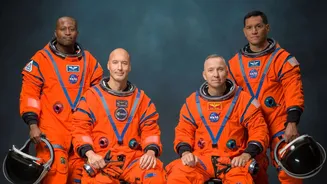
When people think of space careers, they picture astronauts floating in zero-g or engineers in clean rooms staring at rocket engines. While those jobs still exist, they represent a tiny fraction of the available opportunities. The modern space industry is hungry for a wide array of talent. Software engineers are in high demand to write the code that flies rockets, controls satellites, and analyzes the terabytes of data sent back to Earth. Data scientists are needed to make sense of that information, turning raw satellite imagery into actionable business intelligence. Materials scientists work on developing lighter, stronger composites for spacecraft. Cybersecurity experts are critical for protecting satellite communications from threats. Beyond the technical roles, the industry also needs skilled tradespeople—welders, machinists, and electronics technicians—to build the hardware. And like any major industry, it needs finance experts, marketing professionals, project managers, and even lawyers specializing in the complex domain of space law and policy.
Skills for the Final Frontier
So, what does it take to get a job in this growing field? While a degree in aerospace engineering remains a golden ticket for certain roles, it’s far from the only path. Employers are increasingly looking for skills over specific degrees. Proficiency in programming languages like Python and C++ is highly valued across the board, as is experience in data analysis, machine learning, and cloud computing. Expertise in robotics, embedded systems, and radio frequency (RF) engineering are also in high demand. For technicians, certifications in advanced manufacturing, welding, or electronics assembly can open doors. Perhaps most importantly, the industry values a mindset of problem-solving, adaptability, and collaboration. The challenges of operating in space are unique, requiring teams that can innovate quickly and work together under pressure. This combination of traditional STEM skills, advanced software capabilities, and hands-on technical expertise is the foundation of the modern space workforce.