



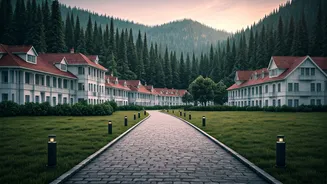
A Town Suspended in Time
Perched just above the bustling hill station of Mussoorie in the Indian Himalayas, Landour feels like a different world entirely. There are no sprawling malls or roaring traffic here. Instead, the soundtrack is the rustle of deodar leaves and the distant
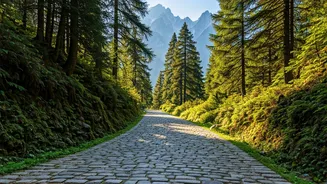
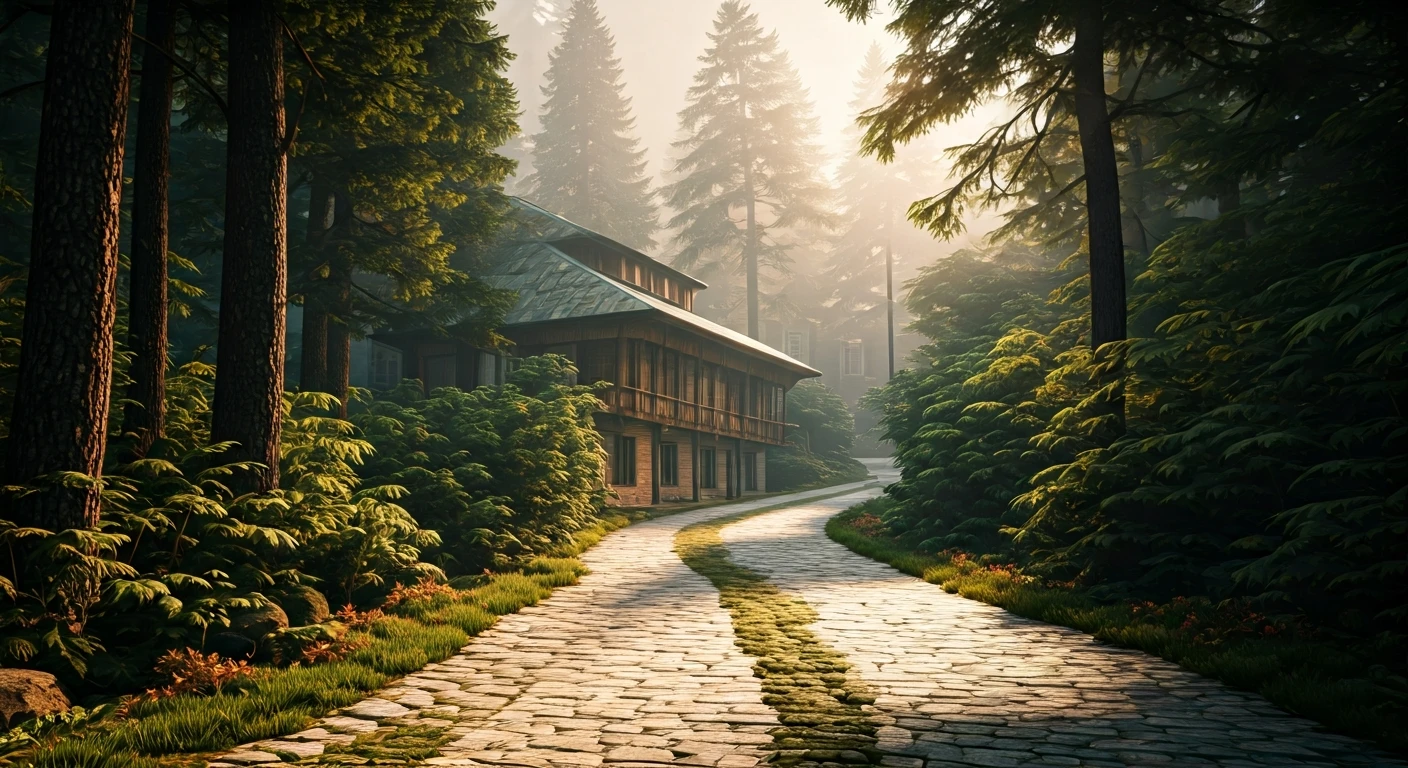
chime of a church bell. The air is crisp, carrying the scent of pine and woodsmoke. For decades, this former British military cantonment has been a well-kept secret, a haven for writers, artists, and those seeking quiet contemplation. Its roads, barely wide enough for one car, curve around hillsides offering breathtaking views of the snow-capped Himalayan peaks. This deliberate resistance to modern, fast-paced development is the very essence of its appeal.
Echoes of the Colonial Past
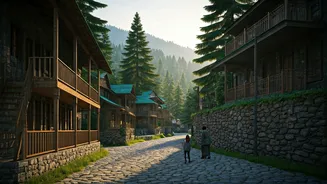
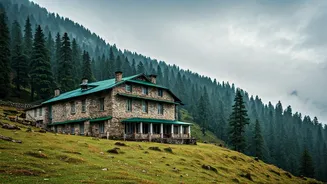
Landour was established in the 1820s as a sanatorium for British soldiers, and its history is etched into every stone and gabled roof. The architecture is a living museum of a bygone era, with names like Ivy Cottage, The Parsonage, and Kenilworth House dotting the landscape. St. Paul’s, an Anglican church dating back to 1840, stands as a quiet sentinel, its pews once occupied by soldiers of the Raj. This isn't a theme park version of history; it's the real, weathered-by-time article. Walking through Landour is like stepping into a storybook, and it’s this authentic, preserved atmosphere that provides a stark, welcome contrast to the hyper-modernity many young travelers are accustomed to.
The Literary Pilgrim's Destination
You can't talk about Landour without mentioning its most famous resident: celebrated author Ruskin Bond. For over half a century, Bond has called this town home, and his stories have woven Landour's gentle, misty spirit into the literary fabric of India. His presence has turned the town into a pilgrimage site for bibliophiles. Young readers who grew up on his tales of rusty-roofed sheds and Himalayan adventures come seeking the source of his inspiration. They hope to catch a glimpse of the author at his favorite haunt, Cambridge Book Depot in nearby Mussoorie, or simply to breathe the same mountain air that fills his pages. This literary connection adds a layer of intellectual and romantic depth to the town’s vintage mood.
The Appeal of Analog Escape
So why is this quiet, old-fashioned town resonating so strongly with travelers in their twenties and thirties? The answer may lie in what Landour *lacks*. In an age of digital burnout and pressure to visit heavily-trafficked, Instagram-optimized locations, Landour offers an analog escape. It’s a destination that encourages you to put your phone down and pick up a book, to trade endless scrolling for long, aimless walks. This trend aligns with the rise of “slow travel” and aesthetics like “cottagecore,” which champion simplicity, nature, and a connection to the past. Young people aren't just visiting Landour; they are seeking the feeling it represents—a quieter, more deliberate way of being that feels both restorative and deeply authentic.
A Taste of Timelessness
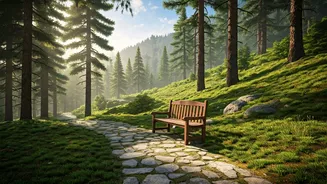
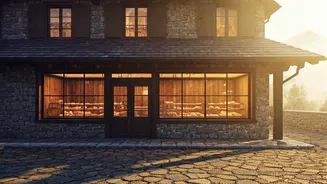
The experience of Landour is made tangible in its simple, iconic establishments. At Char Dukan (“Four Shops”), a cluster of rustic eateries that have been around for generations, travelers sit on simple benches sipping ginger-lemon tea and eating pancakes. Down the road, the Landour Bakehouse, with its old-world decor and classic baked goods, serves up slices of nostalgia. The ultimate Landour ritual is the “chukkar,” a leisurely walk along the winding loop road that circles the town. It’s an activity with no grand purpose other than to walk, to see, to think. It's in these simple, unhurried moments that travelers find exactly what they came for: a connection to a pace of life that feels both vintage and, in today's world, revolutionary.