



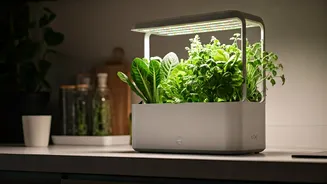


1. Start with High-ROI Crops
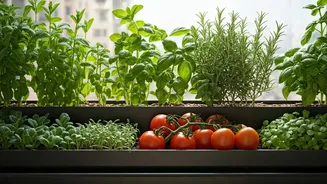
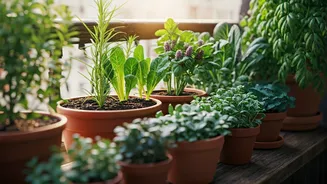
Not all homegrown produce delivers the same financial payoff. To maximize savings, focus on crops that are expensive to buy but easy to grow in small spaces. Fresh herbs like basil, mint, and cilantro are prime examples; a single $4 plant can provide
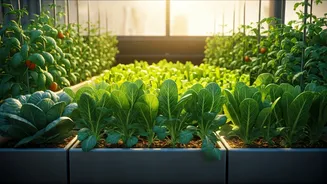
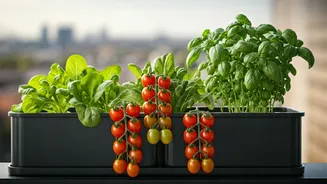
what would cost you $3-4 per week in plastic clamshells at the store. Leafy greens like loose-leaf lettuce, spinach, and arugula are also big winners. They grow quickly and allow for “cut-and-come-again” harvesting, where you can snip off leaves for a salad and the plant will continue producing for weeks. Cherry tomatoes and green onions are other fantastic, high-yield choices for containers.
2. Choose the Right Space and Method
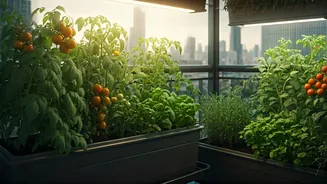
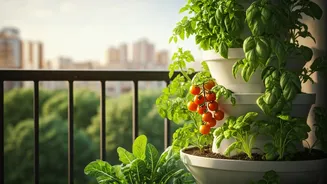
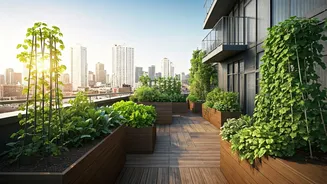
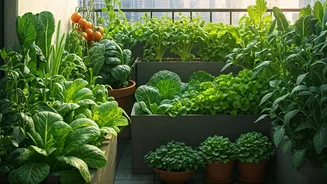
You don't need a yard to create a productive garden. The key is to assess your available space—be it a sunny windowsill, a fire escape, a balcony, or a small patio. Container gardening is the most accessible method for city dwellers. Simple pots can host a surprising amount of food. For those with very limited floor space, vertical gardening is a game-changer. Wall-mounted planters, tiered stands, or hanging baskets allow you to grow upward, turning a bare wall into a living pantry. Even a basic indoor hydroponic kit can provide a steady supply of herbs and lettuce year-round, no soil required.
3. Minimize Your Startup Costs
The goal is to save money, not spend a fortune on fancy equipment. You can start your garden on a lean budget. Repurpose household items like yogurt containers, buckets, or wooden crates as planters (just be sure to drill drainage holes). Instead of buying expensive seedlings, start many plants from seed for just a few dollars per packet. You can also re-grow certain vegetables from kitchen scraps, such as the base of a bunch of green onions or a head of celery placed in water. Creating your own compost from kitchen waste not only reduces trash but also provides free, nutrient-rich fertilizer for your plants.
4. Master the “Cut-and-Come-Again” Technique
To get the most out of your small space, adopt a harvesting strategy that encourages continuous growth. Many plants, especially leafy greens and herbs, thrive with this method. Instead of pulling up the entire lettuce plant, harvest only the outer leaves, leaving the central bud intact. The plant will continue to produce new leaves from the center, giving you a steady supply for weeks or even months. For herbs like basil and mint, regularly pinching off the top sets of leaves encourages the plant to become bushier and more productive, delaying its impulse to flower and go to seed.
5. Track Your Savings and Non-Financial Gains
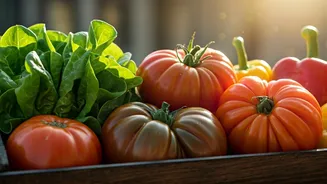
While a balcony garden won't replace your entire grocery run, the savings are tangible. Keep a simple log of what you harvest. That $15 worth of fresh basil over a summer, the $20 in salad greens, and the $10 in cherry tomatoes add up. A modest container garden can easily save a family $20-$50 per month on high-value produce during the growing season. But the benefits go beyond the cash. You gain access to hyper-fresh, nutrient-dense food with superior flavor. There’s also the immense satisfaction of eating something you grew yourself, the educational value for children, and the simple therapeutic joy of tending to your plants.