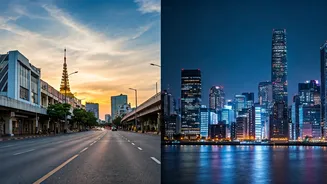





The Tried-and-True Favorite: Bangkok
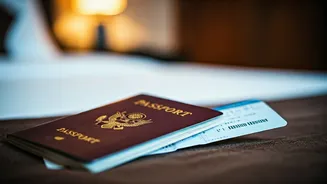
Bangkok has long been a beloved destination for Indian travelers, but recent changes have turned a steady stream into a flood. The primary catalyst? Thailand's visa-free policy for Indian passport holders. This move dismantled one of the biggest psychological
and logistical barriers to international travel, making a trip to Bangkok almost as easy as booking a domestic flight. Suddenly, a long weekend of street food, temple-hopping, and bargain hunting became an effortless reality. Beyond just ease of access, Bangkok hits a sweet spot of affordability and vibrant chaos that resonates deeply. The city offers incredible value, from budget-friendly accommodations to world-renowned street food that costs less than a coffee back home. It's a sensory overload in the best way possible—the sizzle of a pad thai pan, the kaleidoscope of colors at the Chatuchak Weekend Market, and the serene grandeur of the Grand Palace. For many Indians, it’s the perfect first or fifth international trip: familiar enough in its Asian context but thrillingly different.
The Aspirational Newcomer: Tokyo
If Bangkok is the accessible best friend, Tokyo is the cool, aspirational cousin everyone wants to get to know. For decades, Japan was perceived as prohibitively expensive and bureaucratically difficult to visit. That perception is finally shattering. Japan's government has actively courted Indian tourists, simplifying its visa process and launching targeted tourism campaigns. The result has been a dramatic spike in visitors.
What’s the draw? Tokyo offers a unique proposition that a city like Bangkok or Dubai can't: a mesmerizing blend of ancient tradition and futuristic fantasy. Travelers can spend a morning at the serene Meiji Shrine and an afternoon in the electric, neon-drenched districts of Shibuya and Akihabara. The city’s reputation for unparalleled safety, cleanliness, and politeness is a massive selling point. Furthermore, for a generation of Indians who grew up on Japanese pop culture—from anime and manga to Sony and Nintendo—visiting Tokyo feels like a pilgrimage. It's a chance to experience the source code of so much modern culture firsthand.
The Engines Behind the Boom
This shift isn't happening in a vacuum. It’s being powered by powerful economic and social forces. The primary driver is India's booming economy and the subsequent rise of a new 'aspirational class' with disposable income and a hunger for global experiences. This demographic is younger, more digitally savvy, and less reliant on traditional package tours. They plan their trips using Instagram, TikTok, and travel blogs, seeking authentic, shareable moments over cookie-cutter itineraries.
Simultaneously, airlines have ramped up direct flight connectivity between Indian metros and these two capitals, bringing down travel time and often costs. The governments of Thailand and Japan, recognizing India as one of the world's fastest-growing outbound travel markets, are rolling out the red carpet. They understand that attracting the Indian tourist isn't just about filling hotel rooms today; it's about building a multi-billion-dollar relationship for the future.
Two Cities, One Big Trend
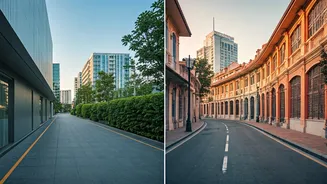
While Tokyo and Bangkok offer vastly different experiences, their parallel rise highlights a maturing Indian traveler. The choice is no longer just about proximity or price, but about the *kind* of experience one is seeking. Do you want the warm, energetic, and affordable escape? That’s Bangkok. Do you crave the impeccably organized, culturally profound, and mind-bendingly modern adventure? That’s Tokyo.
The fact that both are thriving is proof that Indian tourists are becoming more sophisticated in their tastes. They are looking for destinations that offer strong cultural identities, world-class cuisine, and efficient infrastructure. As this trend continues, it's not just changing where Indians go on vacation; it's reshaping the tourism economies of Asia.