






A Perfect Storm for a New Career
The rise of the wellness coach in India isn't a random fluke; it’s the result of a powerful convergence of forces. First, a massive, young, and digitally-native population gained access to cheap, fast mobile data. Second, a growing middle class became
more conscious of lifestyle diseases and mental health, moving from a reactive to a proactive approach to well-being. Finally, the global COVID-19 pandemic acted as a massive accelerant, normalizing remote work and creating a surge in demand for at-home health solutions. This created the perfect environment for a flexible, digitally-delivered career to flourish, offering an alternative to the traditional 9-to-5 grind.
Digital Tools Meet Ancient Traditions
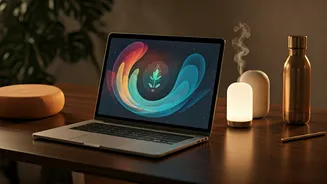
While wellness trends in the West often feel new, India has a deep, centuries-old history with practices like yoga, Ayurveda, and meditation. What’s new is the delivery mechanism. Today’s wellness coaches are leveraging globally accessible platforms like Instagram, WhatsApp, and Zoom to build their brands and reach clients far beyond their immediate neighborhoods. An instructor in Delhi can lead a class for clients in Chennai and Dubai simultaneously. This fusion of ancient wisdom and modern technology has made wellness more accessible and scalable than ever before. Coaches use Instagram Reels to share nutrition tips, host live yoga sessions on YouTube, and manage client relationships entirely through messaging apps, effectively running a global business from their living rooms.
The New Middle-Class Aspiration
For many, becoming a wellness coach is more than just a job; it's a powerful statement of personal and professional ambition. The career offers a level of autonomy and flexibility that is highly attractive, particularly for women, who can build a business on their own terms, often balancing family responsibilities. In a society where traditional career paths are highly competitive, wellness coaching presents a lower-barrier entry into entrepreneurship. It requires specialized knowledge but not necessarily a massive capital investment. Certification courses are widely available online, and a personal brand can be built with little more than a smartphone and a consistent content strategy. It's seen as a modern, respectable, and personally fulfilling profession.
The Post-Pandemic Health Boom
The pandemic was a brutal wake-up call for public health in India, as it was globally. The focus on immunity, stress reduction, and mental resilience shifted from a niche interest to a mainstream priority. Gyms and yoga studios were closed, but the need for guidance didn't disappear. Digital wellness coaches filled the void instantly. They offered personalized nutrition plans, one-on-one fitness training, and group meditation sessions online, catering to a population stuck at home and anxious about their health. This boom didn't fade as lockdowns lifted; it simply cemented digital coaching as a legitimate and convenient option for millions.
Unpacking the 'Gig' in Gig Career
Like other gig economy jobs, wellness coaching offers flexibility but also comes with instability. Income is not guaranteed and depends entirely on a coach's ability to attract and retain clients. Top-tier coaches with strong social media followings can earn a substantial living, matching or exceeding corporate salaries. However, the market is becoming increasingly crowded. Success depends on finding a niche—be it post-natal fitness, corporate wellness, or Ayurvedic nutrition—and mastering the art of digital marketing. While it may look glamorous on Instagram, the reality is a hustle that combines genuine expertise with the constant demands of content creation, community management, and sales.