





Beyond Weight and Aesthetics
Walk into many modern gyms or scroll through today’s fitness communities online, and you’ll notice a subtle but profound change in vocabulary. The chatter about “shredding for summer” or “earning your dessert” is being replaced by celebrations of a new
personal record on a deadlift, the joy of carrying all the groceries in one trip, or the stability gained to play with grandchildren on the floor. This is the new language of fitness, and its primary dialect is strength. Unlike goals centered on weight or appearance, which are often subjective and tied to restrictive behaviors, strength is a functional, measurable metric of capability. It redefines success not as a number on a scale but as an action in the world. This shift reframes exercise from a form of punishment for what you ate into a form of practice for the life you want to live. It’s about building a body that can serve you, whether that means hiking a mountain, lifting a suitcase into an overhead bin, or simply getting out of a chair without assistance.
The Backlash to 'No Pain, No Gain'
This linguistic evolution didn’t happen in a vacuum. It’s a direct response to the burnout and exclusion fostered by decades of diet culture and the punishing “no pain, no gain” ethos. For years, the fitness industry was dominated by images of lean, chiseled bodies, promoting a narrow and often unattainable ideal. This created a high barrier to entry, leaving many people feeling like fitness wasn't for them if they didn't look, or want to look, a certain way. The rise of body positivity and, more recently, body neutrality movements has challenged this paradigm. People are increasingly seeking a healthier, more sustainable relationship with their bodies and with movement. A focus on strength aligns perfectly with this. It’s an internal metric of progress—how you feel, what you can accomplish—rather than an external one subject to societal judgment. This approach validates effort and consistency over aesthetic outcomes, fostering a mindset where movement is a tool for empowerment, not a weapon of self-criticism.
What It Looks Like in Practice
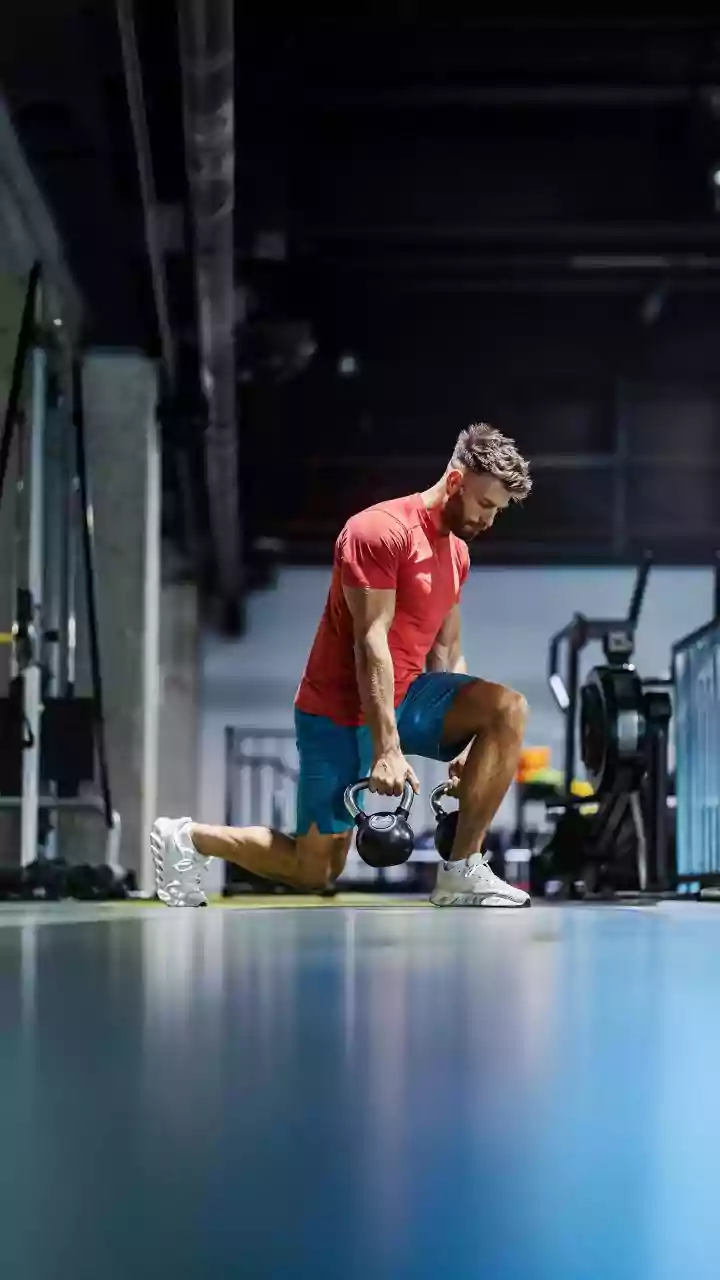
This new language is changing how fitness is coached and practiced. Trainers are increasingly asking clients, “How does that feel?” instead of “How many calories did you burn?” They are programming workouts designed to build competence in foundational movements—squatting, hinging, pushing, pulling—that translate directly to everyday life. Progress is charted through increases in weight lifted, reps completed, or improved form, not just before-and-after photos. Online, influencers who once showcased restrictive diets are now posting videos of themselves mastering a new skill or lifting a heavy weight, their captions celebrating the feeling of power and accomplishment. This creates a more welcoming and motivating environment. When the goal is capability, every small victory is a meaningful step forward. This approach also encourages longevity in fitness, as people are more likely to stick with an activity that makes them feel competent and strong rather than one that perpetually reminds them of their perceived flaws.
A Gym for Every Body
Perhaps the most significant impact of this shift is its radical inclusivity. A fitness culture centered on aesthetics is inherently exclusive. But a culture centered on strength has room for everyone. For older adults, strength training is a key to maintaining independence and preventing falls. For individuals in larger bodies who have long been shamed in traditional gym settings, focusing on lifting and functional power offers a way to engage with fitness that is divorced from the pressure to shrink. For people recovering from injuries or living with disabilities, adaptive strength training provides a path toward reclaiming function and building resilience. When “getting stronger” is the universal goal, it can be adapted to any starting point and any body. The celebration is no longer about conforming to a single ideal but about discovering the potential within one's own unique physical form. It transforms the gym from a place of judgment into a space for personal discovery and empowerment.