


Defining the 'New' in Nostalgia
First, let’s get the term straight. “Newstalgia” isn’t just about bringing back old recipes. It’s about evoking the feeling of an old dish using new ingredients, techniques, and presentation. Think of it as the director’s cut of your favorite food memory.
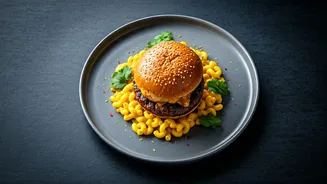
It’s the culinary equivalent of hearing a classic song remixed by a top DJ—the original soul is intact, but the experience feels fresh, vibrant, and utterly of the moment. In the context of Indian food, this means taking humble, home-style dishes—the kind that rarely made it onto restaurant menus—and giving them a platform. It’s a movement that respects the past without being trapped by it, asking, “What if we made that beloved memory even more delicious?”
How Does Newstalgia Taste?
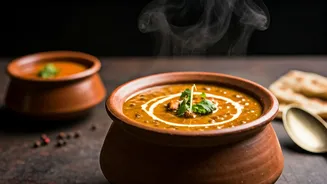
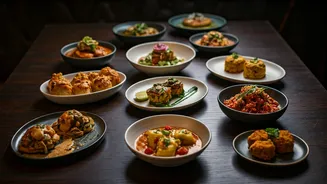
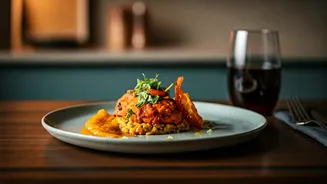
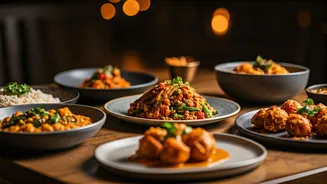
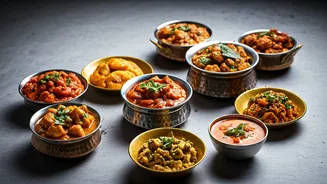
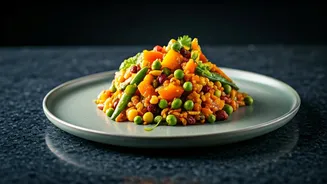
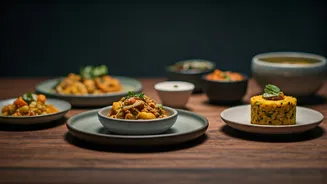
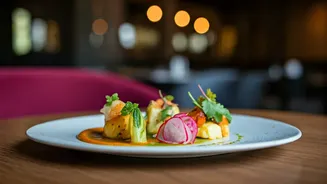
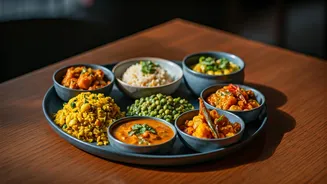
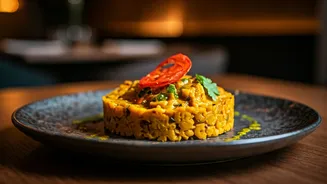
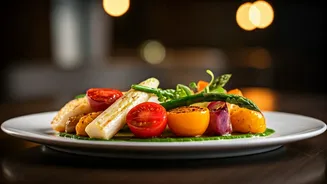
So what does this look like on a plate? It’s a plate of khichdi—a simple, comforting rice and lentil porridge often fed to you when you’re sick—but elevated with wild mushrooms and a drizzle of truffle oil. It’s a deconstructed samosa, where the spiced potato filling is transformed into a creamy mousse, served with crispy, flaky pastry shards for dipping. It’s pani puri, the quintessential street food snack, but with the traditional tamarind water swapped for avocado-jalapeño or pomegranate-mint infusions. Across the U.S., chefs at acclaimed restaurants are driving this trend. They aren't trying to “fix” classic Indian food, but rather to present it through the lens of their own bicultural experiences. They’re using high-quality, local ingredients and applying global culinary techniques to dishes that have been passed down for generations. The result is food that is at once familiar and thrillingly new.
An Appetite for Identity
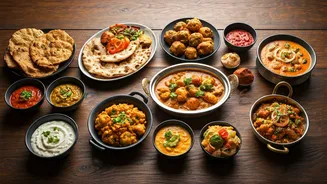
This trend isn’t happening in a vacuum. Its rise is deeply connected to the story of the Indian diaspora. For many second- and third-generation immigrants in the U.S., food is a primary connection to a heritage they may not have experienced firsthand. They grew up with American pop culture and Indian home cooking, and “newstalgia” is the natural culinary expression of that hybrid identity. It allows them to celebrate their roots in a way that feels authentic to their modern lives. At the same time, American diners have become more sophisticated. The era of the one-size-fits-all “curry house” is over. Audiences are now curious about the vast, regional diversity of Indian cuisine. Newstalgia offers an accessible entry point—a familiar concept (comfort food) presented in a creative and high-quality package. It’s a win-win: chefs get to tell their personal stories, and diners get to experience Indian food in a way that feels both personal and profound.
The Business of Belonging
Let’s not forget the “rebrand” part of the equation. This is savvy business. Restaurants and food companies have realized that selling nostalgia is incredibly effective. A dish isn’t just a dish; it’s a story. The restaurant decor, the font on the menu, the packaging for takeout—it’s all designed to telegraph this blend of old and new. They’re marketing a feeling of belonging. By tapping into these deep-seated emotions, they build not just a customer base, but a loyal community. This isn't cynical; it's a reflection of what modern consumers want: products and experiences that have meaning. Newstalgia delivers that meaning by turning a simple meal into an exploration of identity, memory, and culture.