

First Off, What Is Soil-less Cultivation?
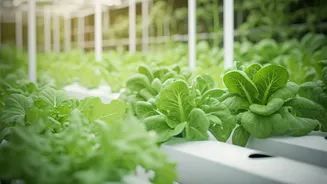
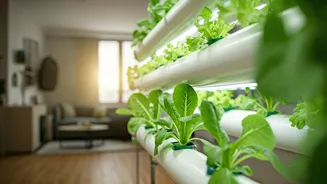
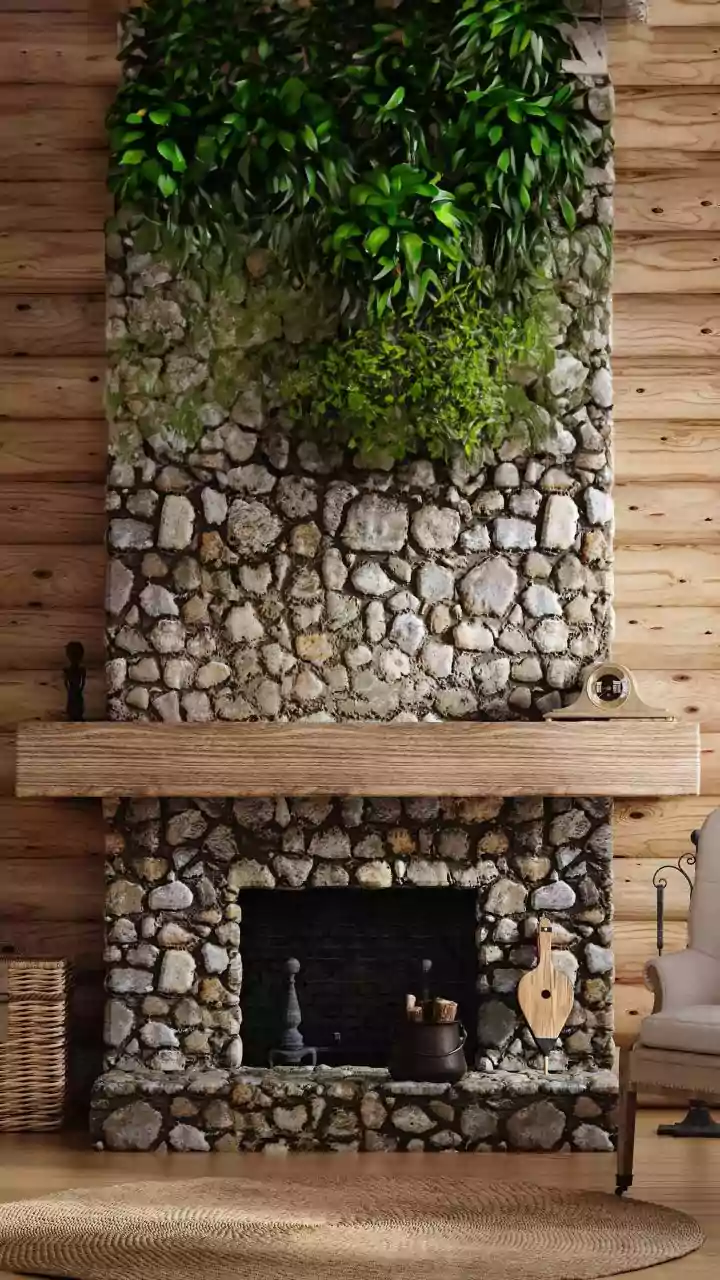
Forget messy bags of potting mix. Soil-less vertical cultivation is a high-tech approach to gardening that’s perfectly suited for clean, modern interiors. The most common method is hydroponics, where plants grow in a nutrient-rich water solution instead
of dirt. Their roots are either submerged in the solution or periodically misted, all managed by a self-contained vertical system that often includes its own grow lights and irrigation pumps. Think of it as gardening on autopilot. Other methods include aeroponics (misting roots with nutrient vapor) and aquaponics (a symbiotic system involving fish). The result is a lush, vibrant wall of green that thrives indoors without the soil, pests, and mess traditionally associated with houseplants. It’s a living, breathing work of art that is both futuristic and deeply natural.
Why Delhi Is the Perfect Incubator
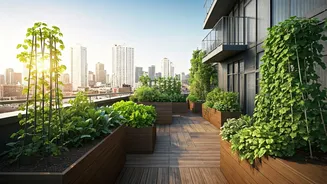
This trend isn’t happening in a vacuum; it’s a direct response to the realities of modern life in a megacity like Delhi. With a population of over 20 million, personal space—especially outdoor space—is at an absolute premium. Balconies are small and often enclosed, and backyards are a luxury few can afford. Compounding this is the city's well-documented struggle with air quality. A vertical garden isn't just a pretty feature; it's a personal air purifier. Plants naturally filter pollutants and release oxygen, creating a tiny sanctuary of cleaner air inside the home. For Delhi’s growing middle and upper-middle classes, who are increasingly focused on wellness, sustainability, and global design aesthetics, these living walls are a perfect fusion of problem-solving and high-end style. They represent a way to reclaim nature in an environment that has pushed it out.
More Than Just a Pretty Wall
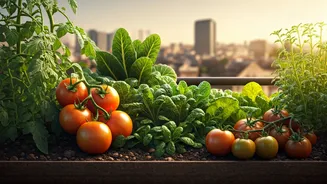
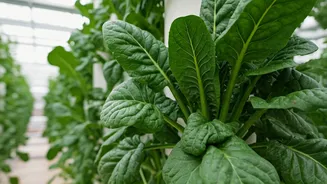
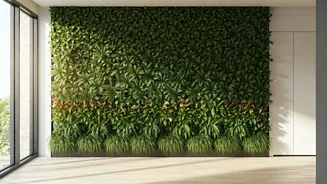
While the aesthetic impact is undeniable—a floor-to-ceiling cascade of ferns and herbs is a powerful design statement—the appeal of vertical gardens goes much deeper. They are a multi-sensory experience. They improve acoustics by absorbing sound, add a subtle, fresh scent to the air, and provide a tangible connection to nature that studies have shown can reduce stress and improve mental well-being. Furthermore, many of these systems are used to grow edible plants. Imagine snipping fresh basil for your pasta or mint for your tea directly from your kitchen wall. This taps into the global “farm-to-table” movement, shrinking the supply chain down to a few feet. It’s the ultimate two-for-one: a stunning piece of interior design that also happens to be a miniature, ultra-local urban farm. This blend of beauty and utility is what makes it so compelling.
Could This Trend Take Root in the US?
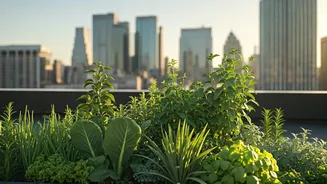
While it’s gaining significant traction in Delhi, the logic behind vertical gardens is universal, and it’s already making inroads in the United States. Think about the micro-apartments of New York City, the space-starved condos of San Francisco, or any dense urban center where a connection to nature feels distant. The same drivers—limited space, a focus on wellness, and a desire for sustainable living—are just as powerful here. American designers and tech-savvy homeowners are beginning to embrace these systems, not just as a novelty but as a practical feature for modern living. As the technology becomes more affordable and user-friendly, what is currently a high-end trend in Delhi could easily become a mainstream feature in American homes, transforming sterile urban spaces into vibrant, living environments. It’s a glimpse into the future of how we will integrate nature directly into our city lives.