



A New Kind of Pilgrimage
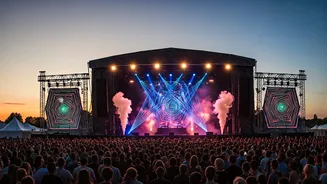
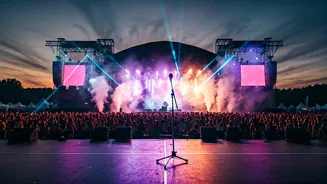
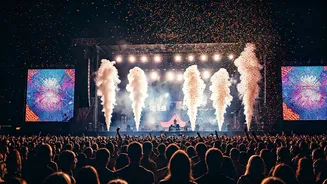
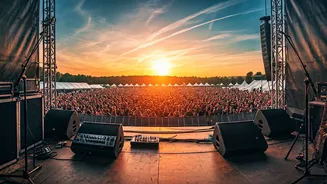
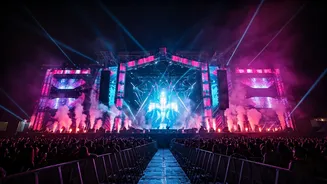
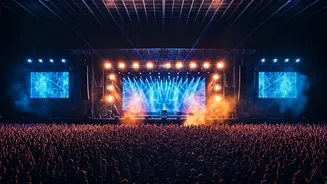
Forget ancient temples and traditional tourist traps. For a growing number of young Indians, the new holy sites are dusty fields in remote valleys, historic palaces pulsating with electronic music, and multi-city festival grounds packed with their peers.
This is the era of festival tourism, a phenomenon where an entire vacation—from flights and accommodations to the trip’s very purpose—revolves around attending a specific music, arts, or cultural event. It represents a fundamental shift in how India's millennials and Gen Z view travel. It’s no longer just about seeing a place; it's about being part of a scene, an experience, and a temporary community built around a shared passion.
From Palace Parties to Valley Vibes
The festival circuit in India is as diverse as the country itself, shattering any monolithic idea of Indian music or culture. At one end of the spectrum is Magnetic Fields, an electronic music festival held in a 17th-century palace in Rajasthan, where attendees camp in luxury tents and dance until dawn. On the other is the Ziro Festival of Music in the remote, lush hills of Arunachal Pradesh, a state in Northeast India. Ziro is famous for its indie-folk lineup, focus on sustainability, and intimate atmosphere, attracting travelers willing to make the multi-day journey for a truly unique vibe. Then there are giants like NH7 Weekender, often called India's answer to Lollapalooza, which brings a mix of international and domestic artists to major cities. These events are not just about music; they are carefully curated cultural experiences, featuring art installations, culinary pop-ups, and workshops that cater to a generation hungry for novelty.
The 'Experience Economy' Goes Desi
So, what’s driving this movement? It’s a perfect storm of economic and cultural factors. India's burgeoning middle class means more young people have disposable income, and they’re choosing to spend it on experiences rather than possessions. In a world dominated by social media, a trip to a picturesque festival offers something far more valuable than a new gadget: incredible, shareable content. The FOMO (Fear Of Missing Out) is real, and the desire to post a photo from a sun-drenched festival in a far-flung location is a powerful motivator. This trend, often called the “experience economy,” has found a fervent home in modern, or “desi,” India. It’s a rebellion against the predictable life paths of previous generations, a declaration of independence written in festival passes and plane tickets.
The Ripple Effect on the Map
The impact of this trend extends far beyond the festival gates. It's creating new economic ecosystems in places that were once far off the tourist trail. Small towns and remote regions see a massive influx of cash, providing livelihoods for local communities who offer homestays, food, and transportation. The Ziro festival, for example, is credited with putting its region on the map, both domestically and internationally. This movement is also fostering a new kind of pan-Indian identity. At these festivals, young people from Delhi, Mumbai, Bangalore, and Chennai mingle with those from smaller towns, bonding over a shared love for a certain type of music or art. In a country of immense diversity, these festivals are becoming modern melting pots, creating shared cultural touchstones for a generation that is more mobile and connected than ever before.