



It Starts with an Alkaline Kick: Khar
The first course in a traditional Assamese meal isn't an appetizer; it's a palate-cleansing marvel called khar. This unique dish is prepared by filtering water through the ashes of a sun-dried banana peel, creating a subtly alkaline liquid. This liquid is then
used to cook anything from raw papaya to lentils or fish. The flavor is unlike anything else—it’s not salty, sour, or bitter, but rather a clean, earthy, and faintly smoky taste that is said to cleanse the stomach and prepare you for the rest of the meal. It's the culinary signature of Assam, a dish that immediately tells you you're somewhere very different and very special.
The Sour Counterpoint: Tenga
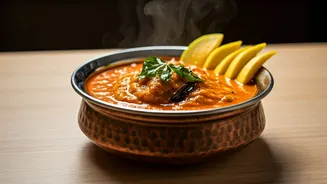
If khar opens the meal, tenga closes it. Every great culinary tradition understands balance, and the Assamese thali is a masterclass in it. Tenga refers to a light, tangy, and sour curry that acts as the perfect foil to the meal's other flavors. The souring agent can be anything from tomatoes or elephant apple (outenga) to mangosteen or lime. Most often, it's a fish curry—a delicate freshwater fish gently simmered in a watery broth. This isn't a heavy, overpowering dish. It's a refreshing, bright, and digestive finale that cleanses the palate again, leaving you feeling satisfied but not weighed down.
The Soul of Comfort: Pitika
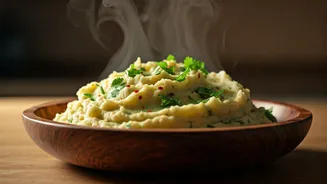
Every cuisine has its comfort food, and in Assam, it’s pitika. Essentially, it's a mash, but calling it that doesn't do it justice. The most common version is aloo pitika—potatoes, boiled and mashed with raw mustard oil, chopped onions, cilantro, and green chilis. The pungent kick of the mustard oil is what makes it sing. But pitika can be made from almost anything: roasted eggplant, boiled pumpkin, or even grilled fish. It’s simple, rustic, and profoundly delicious. It’s the hearty, soulful anchor of the platter, connecting the more exotic flavors to a familiar, comforting base.
A Universe of Greens and Herbs: Xaak
Assamese cuisine is deeply connected to the land, and nowhere is this more evident than in the love for xaak (leafy greens). A traditional platter might feature a simple stir-fry of one of a hundred different varieties of local greens, often foraged. These aren't just spinach or kale; they could be fiddlehead ferns (dhekia xaak) or other wild herbs with unique textures and flavor profiles, lightly sautéed with garlic and ginger. This element brings a fresh, slightly bitter, and nutritious component to the plate, representing the bounty of Assam’s fertile river valleys.
The Gentle Heat (and the Fiery Option)
Unlike many Indian cuisines that hit you with a wall of spice, Assamese food favors a more gentle, aromatic heat from ginger, garlic, and green chilis. The goal is to enhance, not mask, the primary ingredients. However, that doesn't mean they don't appreciate a good kick. Assam is, after all, the home of the legendary Bhoot Jolokia, or ghost pepper. A tiny dollop of its ferocious, smoky chutney is often served on the side of the platter. It's not a mandatory part of the meal but an optional adventure—a tiny taste offers a thrilling, fruity heat that blossoms in your mouth, for those brave enough to try.
The Unifying Foundation: Rice and Dal
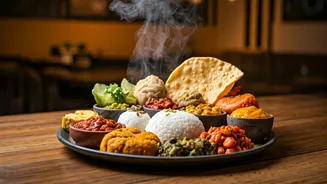
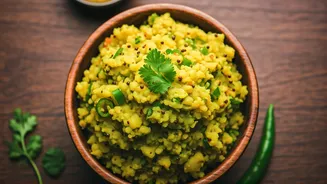
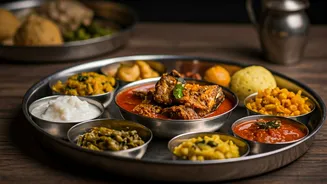
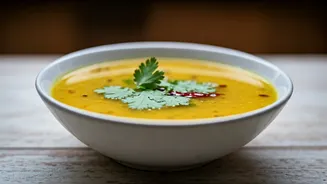
At the center of it all is rice. Assam grows numerous indigenous varieties, and a mound of fluffy steamed rice is the canvas upon which all these other flavors are painted. Alongside it is a simple, soulful bowl of dal (lentils), often tempered with Assamese five-spice (paanch phoran). This combination of rice and dal grounds the entire experience, providing a neutral, starchy base that allows you to mix and match bites of khar, tenga, and pitika, creating your own perfect spoonful each time.