


The Pizza That Conquered the Country
For decades, the national pizza conversation was dominated by New York’s thin, foldable slices and Chicago’s deep-dish pies. Then, a contender from the Motor City revved its engine. Detroit-style pizza, once a delicacy largely confined to southeast Michigan,
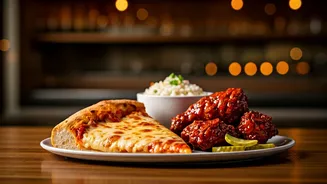
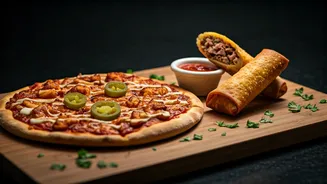
has exploded into a national phenomenon. Its signature is a thick, rectangular, focaccia-like crust, baked in a blue steel pan. The toppings are applied in reverse order—pepperoni directly on the dough, followed by cheese (typically Wisconsin brick cheese) spread to the very edges, and finally topped with stripes of tomato sauce. The magic happens at the pan’s edge, where the cheese caramelizes into a crispy, crunchy, savory lattice known as 'frico.' This texture-rich experience, born from automotive parts trays used as makeshift pans in the 1940s, is now a menu staple from craft pizzerias in Portland to national chains like Pizza Hut, proving that a hyper-specific local tradition can have universal appeal.
The Spice That Ignited a Movement
Nashville Hot Chicken isn't just spicy; it’s an experience wrapped in a story. Legend says it was born of a lover’s quarrel in the 1930s, when Thornton Prince’s girlfriend doused his fried chicken in an unholy amount of cayenne pepper as revenge. Instead of being punished, he loved it, and Prince's Hot Chicken Shack was born. For generations, it remained a Nashville institution, a fiery secret for those in the know. But in the last decade, it went supernova. Fueled by food writers, TV shows, and a national craving for bold, authentic flavors, the gospel of hot chicken spread. It’s now a full-blown culinary category. You can find versions everywhere, from dedicated fast-casual chains in California to fine-dining interpretations in New York. The formula—crispy fried chicken bathed in a cayenne-infused paste, served atop white bread with pickles—is simple, yet its cultural heat has proven just as potent as its Scoville rating.
The Bodega Sandwich Gone Viral
Some regional foods are born in respected restaurants; others are born of necessity on a bodega griddle. Enter the Chopped Cheese. A New York City icon, particularly in Harlem and the Bronx, this sandwich is a symphony of simplicity: ground beef, onions, and melted American cheese, all chopped together on a flat-top grill, then scraped into a hero roll with lettuce, tomatoes, and condiments. For years, it was a hyper-local, affordable staple. Then came the internet. Through TikTok food tours and YouTube deep dives, the Chopped Cheese was catapulted from neighborhood secret to viral sensation. Suddenly, chefs in other cities were trying to replicate it, food media debated its 'authenticity,' and tourists were adding it to their NYC bucket lists alongside the Statue of Liberty. Its rise speaks to a fascination with genuine, unpretentious food stories that feel discovered rather than marketed.
Why We're Craving a Taste of Home
So what's driving this delicious revival? It’s a perfect storm of cultural shifts. First, there's the quest for authenticity. In a world of generic chain restaurants, a dish with a real story and a specific sense of place—like a Cincinnati chili parlor or a St. Louis gooey butter cake—feels special and real. Second, social media has become a powerful discovery engine. A single viral video can introduce millions to a food they’ve never heard of, creating immediate, widespread demand. Finally, there's a renewed appreciation for American identity in all its diverse forms. Food is one of the most accessible ways to explore that. Instead of looking outward for the next big thing, we're realizing the most interesting culinary frontiers might be a few states—or even a few blocks—away.