



From Fear to Flourishing
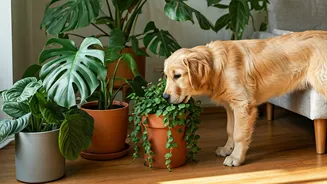
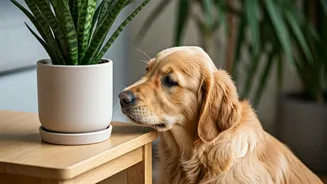
The conflict between plant parent and pet owner is a familiar one. You bring home a gorgeous fiddle-leaf fig only to find your cat using it as a scratching post or your dog nibbling on a potentially toxic leaf. For a long time, the solution was avoidance—either
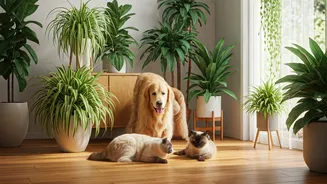
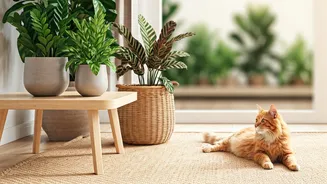
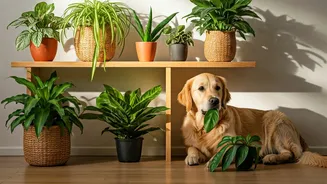
giving up on plants or sticking to a lonely-looking spider plant in the corner. But that’s changing. Today, savvy homeowners are treating pet safety not as a limitation, but as a design challenge. The goal is no longer just to find a “pet-safe plant” but to intentionally design a space where both your leafy friends and your four-legged family can coexist beautifully and safely. This approach requires a blend of horticultural knowledge, an eye for interior design, and a little bit of animal psychology.
The 'Yes' List: Safe and Stylish Choices
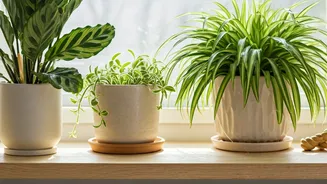
The foundation of any pet-friendly design is a solid list of non-toxic plants. The ASPCA provides an exhaustive database, but knowing which ones also pack a stylistic punch is key. The Calathea family, including the prayer plant and rattlesnake plant, offers stunning foliage with intricate patterns and is completely safe for cats and dogs. For a touch of the tropics, the parlor palm or areca palm are excellent, air-purifying choices. If you love the trailing look of a pothos (which is toxic), the string of turtles (Peperomia prostrata) is a fantastic and safe alternative. And for a pop of color, the vibrant blooms of an orchid or an African violet are pet-friendly. The key is to stop thinking about what you can't have and start exploring the vast, beautiful world of what you can.
Think Vertically: Placement Is Everything
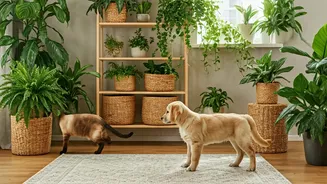
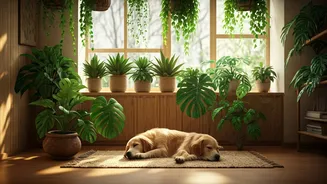
A crucial element of pet-friendly design is using your vertical space. Your floor and low tables belong to your pet; the walls and air space are yours. This is where strategic placement becomes an art form. Hanging planters are your best friend. A cascade of string of hearts or a lush Boston fern (another safe choice) suspended from the ceiling keeps them well out of reach of a curious cat or a clumsy dog. High shelving or wall-mounted planters allow you to display entire collections without worry. Even plants that are technically safe can be shredded by a bored pet, so elevating them protects your investment and keeps your home looking tidy. This strategy also draws the eye upward, making a room feel larger and more dynamic.
Create Stylish Barriers and 'No-Go' Zones
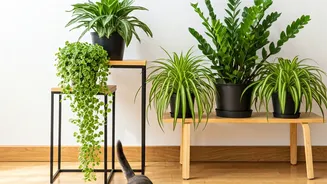
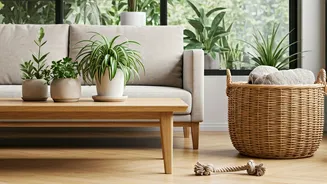
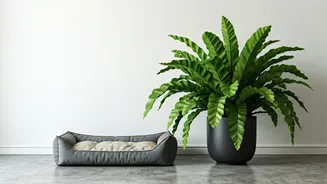
What about larger floor plants that can’t be hung? You can still incorporate them by creating subtle, stylish barriers. A heavy, wide-based ceramic pot is much harder for a pet to knock over than a flimsy plastic one. You can also group plants together behind a piece of furniture, like a sofa or an armchair, making them harder to access. Another pro move is to use plant stands that elevate plants just enough to be out of a dog’s casual reach or to make them less appealing for a cat to jump onto. For particularly persistent pets, a decorative screen can partition off a “plant corner” that integrates into your decor while establishing a clear boundary.
Provide A Better Alternative
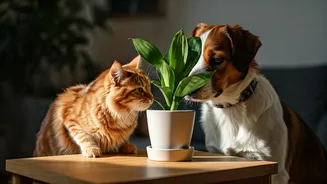
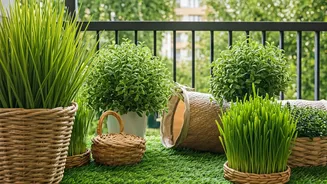
Sometimes, the best defense is a good offense. Many pets, especially cats, chew on plants because they crave greens. By providing them with their own designated, pet-safe plant, you can redirect their attention. A small pot of cat grass (typically made from wheat, barley, or oat seeds) or catnip can serve as an approved treat. Placing it near their food bowls or in their favorite lounging spot can satisfy their urge to nibble, often saving your more decorative plants from becoming a snack. This small act of empathy for your pet’s natural instincts is a hallmark of truly thoughtful pet-friendly design—it’s about creating a harmonious environment for everyone.