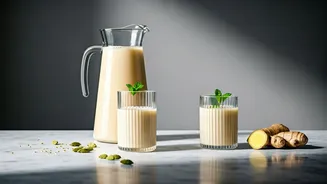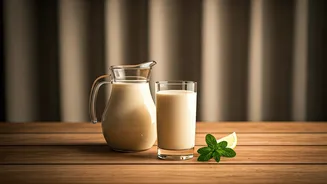





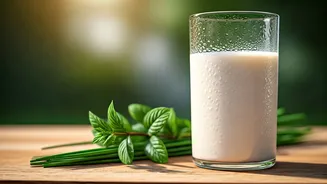

What Exactly Is a 'Buttermilk-Style' Drink?
Let’s clear one thing up: this isn’t your grandmother’s buttermilk. Traditional buttermilk is the thin, tart liquid left over after churning butter. While it's naturally low in fat and has some beneficial bacteria, it's a byproduct. The drinks gaining
popularity today are a different beast entirely. They are intentionally cultured dairy products, specifically designed to be rich in probiotics. The most common player in this space is kefir, a fermented milk drink with origins in the Caucasus Mountains. Other examples include filmjölk from Sweden or even certain types of lassi from India. What they share is a tangy flavor profile and a liquid, drinkable consistency reminiscent of classic buttermilk, but they are packed with a much wider and more potent variety of live and active cultures.
The Gut Health Gold Rush
So, why the sudden surge? In a word: guts. The wellness world's obsession with gut health has reached a fever pitch. Once a niche topic for gastroenterologists, the “microbiome” is now a mainstream buzzword. Consumers are actively seeking out foods that support digestive health, boost immunity, and potentially even improve mood. Probiotic supplements have been popular for years, but experts increasingly suggest that getting these beneficial bacteria from whole foods is more effective. Fermented foods offer a 'food-first' approach that resonates with health-conscious shoppers. These drinks are an incredibly convenient delivery system—a grab-and-go bottle of gut-friendly bacteria that feels more like a snack than a supplement.
Not Just for the Health Fanatics
While health is the primary driver, flavor and versatility are what’s securing this trend’s staying power. Brands have successfully rebranded these historically 'funky' drinks for the American palate. Forget a purely sour, earthy taste. Today's probiotic drinks come in a rainbow of approachable flavors like strawberry, blueberry, and peach, often with a hint of sweetness to balance the natural tartness. Their consistency, thicker than milk but thinner than yogurt, makes them a perfect base for smoothies, a creamy addition to overnight oats or cereal, or simply a satisfying drink on their own. They’ve been positioned as the sophisticated, more functional cousin to the yogurt smoothie.
Kefir: The Undisputed King of the Category
While the category is broad, kefir is undeniably its star player. Pronounced 'kuh-FEER,' this fermented milk drink is made using 'kefir grains'—a symbiotic culture of bacteria and yeast. Compared to yogurt, which typically contains two to three strains of bacteria, kefir can boast dozens of different strains of bacteria and beneficial yeasts, making it a probiotic powerhouse. Brands like Lifeway have been on U.S. shelves for decades but have seen explosive growth as the gut health trend took off. Now, they're joined by a host of competitors, from large dairy companies to small-batch, artisanal makers, all vying for space in the consumer’s refrigerator.
Thinking of Trying It?
If you're curious, getting started is easy. When shopping, look for bottles that explicitly state “live and active cultures” and check the ingredients list. Pay attention to the sugar content, as flavored versions can sometimes pack a surprising amount. Plain, unsweetened kefir is the most versatile and generally the healthiest option—you can always add your own fruit or a touch of honey at home. Don't be afraid of the tang; it’s a sign of active fermentation. Start by pouring a little over your morning granola or blending it into a smoothie to get accustomed to the taste. You might be surprised at how quickly it becomes a staple.