



The River is the Road
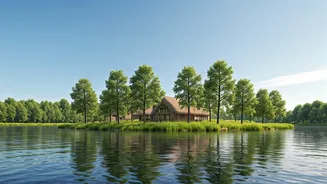
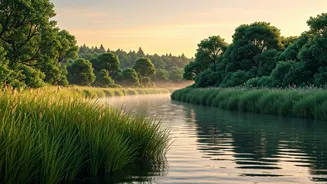
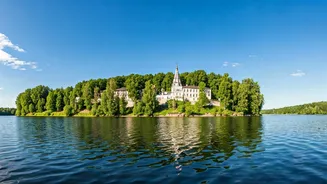
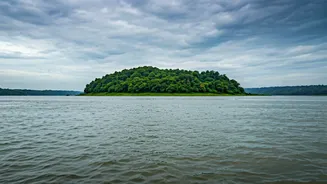
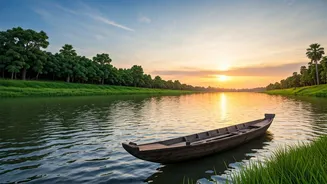
To understand Majuli, you must first understand the river that created it and now threatens to consume it. The Brahmaputra, one of Asia’s mightiest rivers, is a powerful, unpredictable force. The only way to reach the island is on rustic, flat-bottomed
ferries that carry everything from motorcycles and sacks of rice to entire families and their livestock. The hour-long crossing is a spectacle in itself. Passengers huddle together, a vibrant cross-section of the island’s population, as the boat navigates currents and shifting sandbars called 'chars.' The sheer scale of the water, often stretching to the horizon, makes the mainland feel like a distant memory. This daily voyage is more than just transportation; it’s a constant reminder of Majuli's isolation and its absolute dependence on the river’s moods. Arriving isn’t like docking at a pier; it’s like being absorbed into a landscape where water and earth are in a perpetual dance.
A Living Cultural Sanctuary
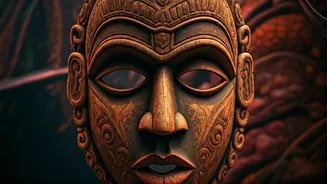
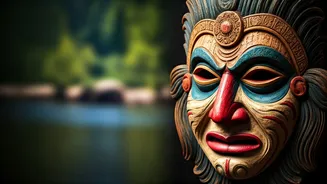
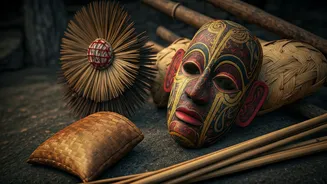
Stepping onto Majuli is like stepping into a different era. The island is the global center of Neo-Vaishnavism, a gentle, monotheistic stream of Hinduism established in the 15th century. Its soul resides in the dozens of *sattras*—unique institutions that are not just monasteries but living hubs of art, music, and spirituality. In these tranquil compounds, some monks practice celibacy, dedicating their lives to prayer and cultural preservation. They are the keepers of traditions like *Bhaona*, elaborate religious plays, and the intricate craft of mask-making. At the Samaguri Sattra, artisans create stunning, expressive masks from bamboo, clay, and cloth, bringing ancient mythological characters to life. Visiting a *sattra* means hearing the hypnotic beat of drums during evening prayers or watching young novices learn centuries-old dance forms. It’s a culture that isn’t performed for tourists; it’s the island’s very heartbeat.
Life on Shifting Sands
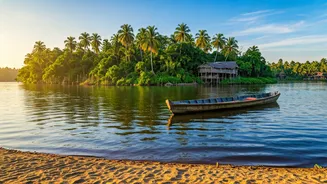
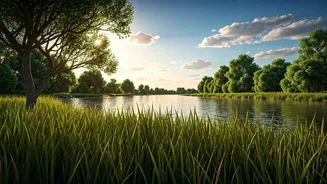
Beyond the *sattras*, life on Majuli is a portrait of pastoral harmony and resilience. The island is predominantly inhabited by tribal communities, most notably the Mishing people, who live in picturesque stilt houses. These elevated homes, crafted from bamboo and topped with thatched roofs, are a brilliant adaptation to the Brahmaputra’s annual floods. When the monsoon swells the river, the water flows harmlessly beneath their living spaces. The landscape is a lush green tapestry of rice paddies, dotted with ponds where locals fish and weavers sit at handlooms, creating the distinctive, colorful textiles for which they are renowned. Life moves at a slower, more deliberate pace, dictated by seasons rather than clocks. Bicycles are the main mode of transport, and the air is free from the pollution and clamor of urban India. It’s a simple, self-sufficient existence deeply intertwined with the natural world.
A Paradise in Peril
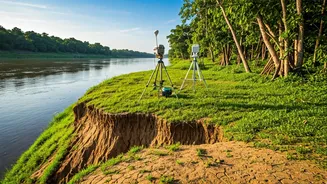
For all its beauty and serenity, Majuli is living on borrowed time. The same river that birthed the island is now relentlessly washing it away. Aggressive annual erosion, exacerbated by climate change and upstream dam construction, has shrunk Majuli dramatically. By some estimates, the island has lost more than half of its landmass over the past century. Entire villages, rice fields, and even *sattras* have been swallowed by the river, forcing communities to relocate inland. The Guinness World Records acknowledged Majuli as the world’s largest river island, but this title is precarious. For its residents, this isn’t an abstract environmental issue; it’s an existential threat. Every monsoon brings the fear of losing a home, a farm, or a piece of their ancestral heritage. The fight to save Majuli is a fight to save a unique ecosystem and a priceless cultural repository.