




Ditch the Pills, Feed Your Gut
The conversation around gut health used to be dominated by pricey probiotics. While those can have a place, the new focus is on something far cheaper and more effective: fiber. Your gut microbiome, a complex ecosystem of trillions of bacteria, is a cornerstone
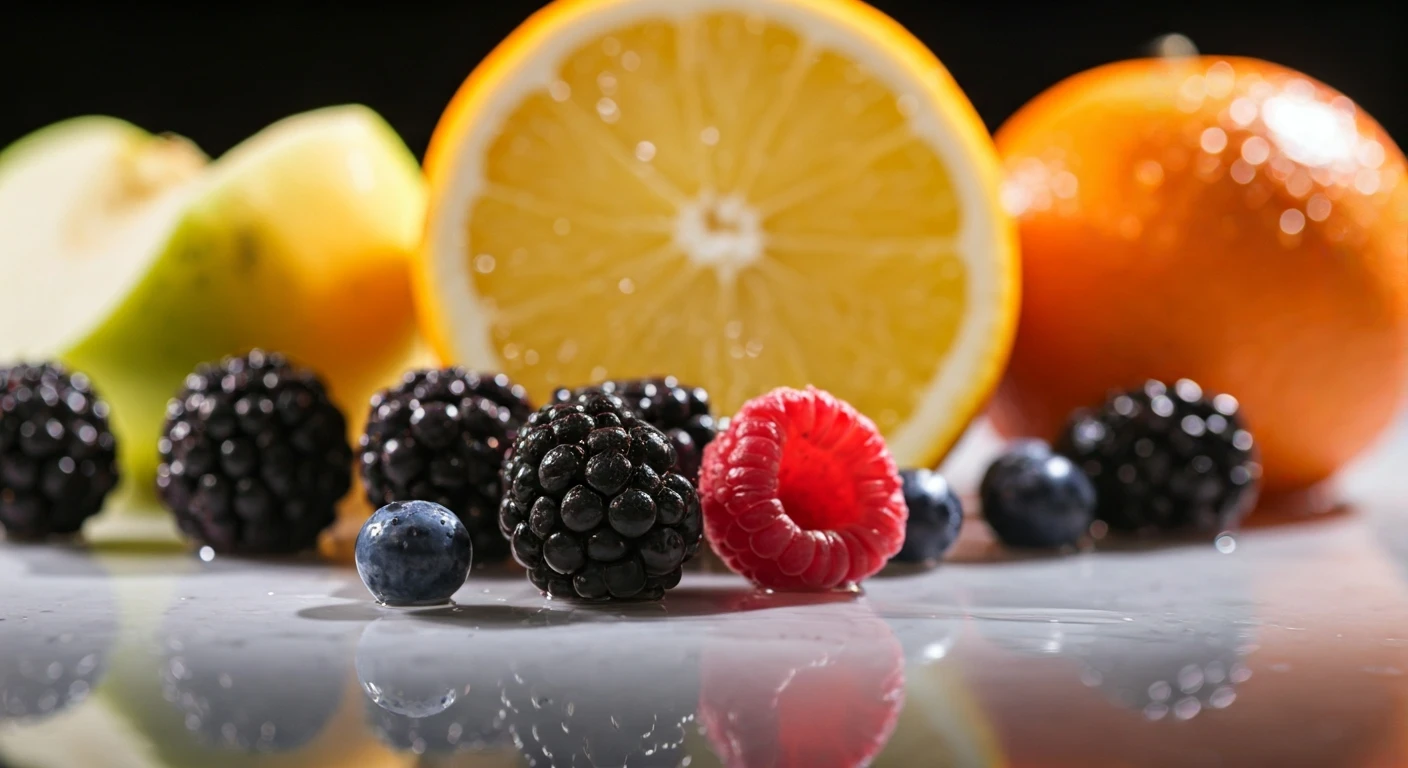
of your immune system. The best way to keep it healthy is by feeding it a diverse diet of plant-based foods. Think of it as tending a garden. Instead of just adding new seeds (probiotics), you need to provide rich soil (prebiotic fiber). This means loading up on vegetables, fruits, legumes, nuts, and whole grains. The goal isn't perfection, but variety. Aiming to eat 30 different plant types a week sounds daunting, but it includes herbs, spices, and seeds. A sprinkle of sunflower seeds on your salad or adding black beans to your chili gets you closer to the goal without a major lifestyle overhaul.
Prioritize Consistent Sleep, Not Perfect Scores
The era of obsessive sleep tracking and striving for a perfect “sleep score” is giving way to a more forgiving, practical approach. While data can be interesting, it can also create anxiety, which ironically disrupts sleep. Experts are now emphasizing the fundamentals of good sleep hygiene over tech-heavy solutions. The single most impactful habit is a consistent wake-up time, even on weekends. This helps regulate your body’s internal clock, or circadian rhythm, making it easier to fall asleep at night. Other practical tips include creating a dark, cool, and quiet bedroom environment and establishing a simple wind-down routine—like reading a book or listening to calming music—for 30 minutes before bed. Quality sleep is when your body does critical repair work and produces infection-fighting molecules called cytokines. It’s non-negotiable for immune function, but achieving it doesn't require an app.
Move Your Body Moderately
For a while, the fitness world equated health with punishing, high-intensity workouts. But for immune support, the science points toward moderation. Overtraining can actually stress the body and temporarily suppress immune function. The new consensus is that regular, moderate exercise is the sweet spot. This could be a brisk 30-minute walk five days a week, a casual bike ride, a yoga class, or dancing in your living room. This type of movement improves circulation, allowing immune cells to move through your body more efficiently and do their job. It also helps reduce inflammation and lowers stress hormones. The key is consistency, not intensity. Finding a form of movement you genuinely enjoy is far more sustainable—and better for your immune system—than forcing yourself through a workout you dread.
Manage Stress in Realistic Ways
The advice to “reduce stress” can feel like a platitude, especially when life is demanding. Chronic stress floods the body with the hormone cortisol, which can suppress the immune system over time. But managing it doesn't have to mean an hour of silent meditation every day (unless you love that). Practical stress management is about weaving small, restorative moments into your daily life. This could be a five-minute walk outside to get some sunlight, spending quality time with a pet, calling a friend to laugh, or dedicating 20 minutes to a hobby that absorbs your attention. Social connection is a particularly powerful, and often overlooked, tool for resilience and immune health. The goal isn't to eliminate stress, which is impossible, but to build in small buffers that help your nervous system regulate and recover.
Remember the Foundational Tools
In the search for new hacks, we often forget the most proven tools. First, don't smoke. It damages lung health and compromises the body's ability to fight infection. Second, if you drink alcohol, do so in moderation, as excessive intake can impair immune cell function. Finally, the most practical and powerful tool for preventing specific infectious diseases remains vaccination. Vaccines train your immune system to recognize and fight off specific invaders without you having to get sick first. Staying up-to-date on recommended vaccines, like the annual flu shot, is a simple, science-backed action that provides a targeted layer of defense that no amount of kale or supplements can replicate.