


A Culture of Cleanliness
Mawlynnong’s claim to fame isn't the result of a government program or a recent initiative. It's a deeply ingrained cultural practice. Here, cleanliness is a shared community value passed down through generations of the local Khasi tribe. You won't find
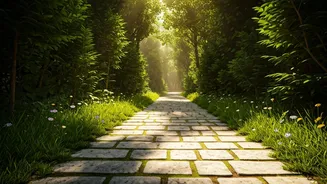
a stray wrapper on the stone-paved pathways. Instead, you'll see conical, hand-woven bamboo dustbins at every turn, which residents empty to create compost. Every morning, the villagers, from young children to elders, collectively sweep the roads and tend to the lush, decorative gardens that adorn every home. This commitment earned it the title of “Asia’s Cleanest Village” from Discover India magazine back in 2003, a reputation it proudly maintains. It’s a living lesson in what can be achieved when a community works as one.
The Living Root Bridges
While the village itself is the main draw, the surrounding area holds one of Northeast India’s most breathtaking natural wonders: the living root bridges. A short walk from Mawlynnong, in the neighboring village of Riwai, you can cross a spectacular single-decker bridge. For centuries, the Khasi people have guided the aerial roots of rubber fig trees across rivers and streams, weaving them together until they form a sturdy, living structure. These bridges are a marvel of bio-engineering, growing stronger over time as the roots thicken. Walking across one feels like stepping into a fantasy novel. They are not just a tourist attraction but a functional part of local life, demonstrating a profound, sustainable harmony between people and nature.
Other Sights in the Village
Beyond its pristine lanes, Mawlynnong offers a few simple but captivating sights. For a small fee, you can climb the Sky View, an 85-foot-high bamboo watchtower. From the top, you’re rewarded with sweeping, panoramic views of the village below and, on a clear day, the vast plains of neighboring Bangladesh stretching out to the horizon. Another local curiosity is the Balancing Rock, a large, ancient boulder perched precariously on top of a much smaller stone. It has remained in this position for centuries, defying gravity and sparking the imagination of all who see it. Exploring these attractions is a gentle, pleasant way to spend an afternoon, soaking in the tranquil atmosphere of the village.
Using Shillong as Your Base
The most common gateway to Mawlynnong is Shillong, the capital of Meghalaya, often called the “Scotland of the East” for its rolling hills and pleasant climate. The journey from Shillong to Mawlynnong is a destination in itself, a scenic 2.5 to 3-hour drive that winds through misty hills and verdant landscapes. The most convenient way to make the trip is by hiring a private taxi for the day, which gives you the flexibility to stop at viewpoints along the way. A more budget-friendly option is to take a shared taxi or a 'Sumo' (a type of SUV used for public transport) from the Bara Bazar area in Shillong. Many travelers combine a visit to Mawlynnong with a stop at Dawki, a town famous for the crystal-clear waters of the Umngot River.
When to Go and Where to Stay
Mawlynnong is beautiful year-round, but the best time to visit depends on your preference. The monsoon season, from June to September, is when the region is at its most lush and waterfalls are in full flow, though rain can be persistent. For clearer skies and more comfortable weather, plan your trip between October and April. Accommodations in Mawlynnong are not luxurious resorts; they are simple, clean, and charming homestays run by local families. Staying in one offers an authentic glimpse into Khasi life and hospitality. It’s an opportunity to connect with the community, enjoy home-cooked meals, and truly understand what makes this village so special. Be sure to book in advance, especially during peak tourist season, as options are limited.