
An Upgrade That’s Actually Affordable
Let’s be honest: most home upgrades come with a hefty price tag. A new sofa can run into the thousands, a gallon of quality paint isn’t cheap, and a full-blown renovation is a massive financial commitment. A plant, on the other hand, is an aesthetic upgrade you
can often buy for less than the cost of lunch. A small succulent for your desk, a trailing pothos for a bookshelf, or even a statement-making fiddle-leaf fig can be acquired for a fraction of the cost of traditional decor. This accessibility democratizes interior design, allowing anyone to enhance their space regardless of their budget. It’s a small investment with an immediate and disproportionately large visual and emotional return.
Instant Visual and Textural Impact
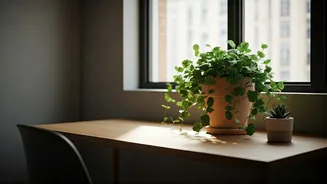
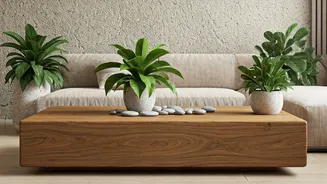
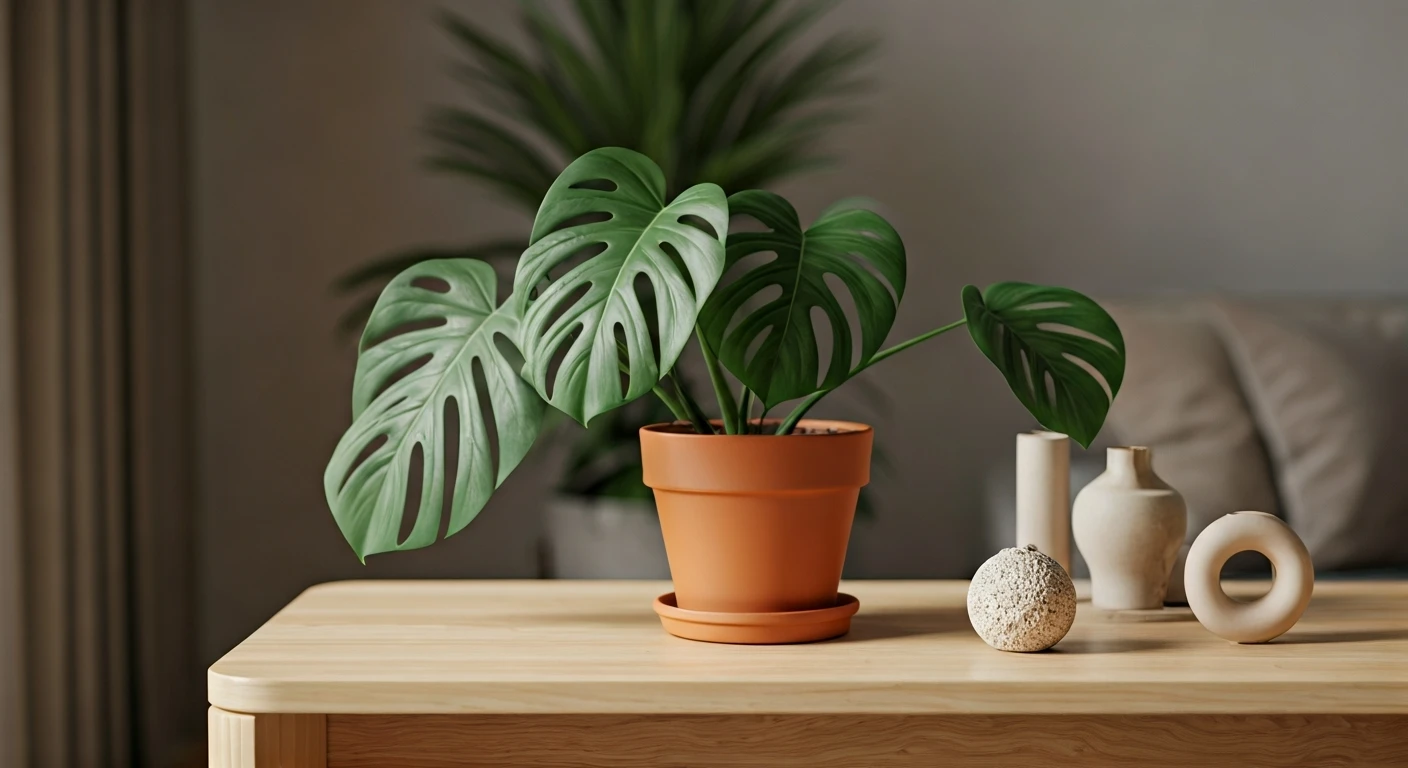
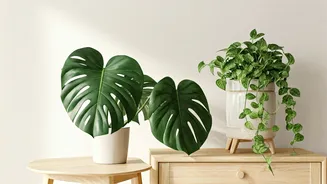
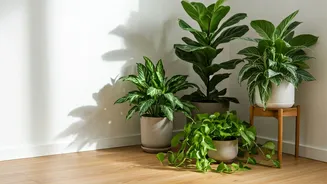
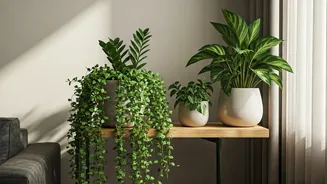
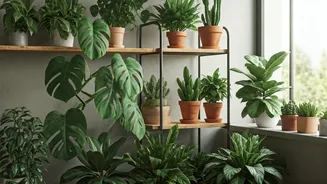
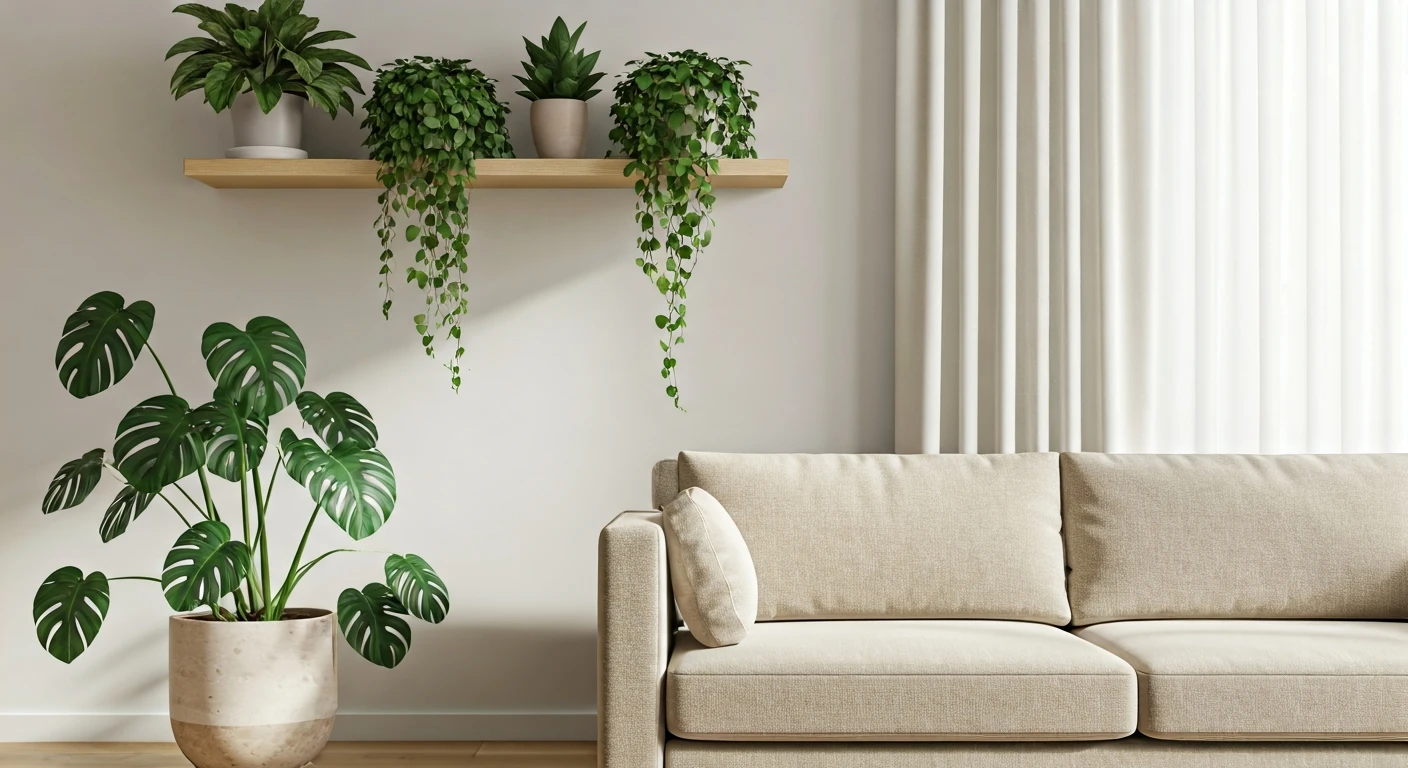
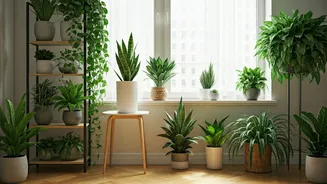
Few decorative items can transform a sterile corner into a vibrant focal point as quickly as a houseplant. Greenery adds a dynamic layer of color, texture, and organic shape that static objects can’t replicate. The deep, waxy leaves of a ZZ plant provide a different feel than the delicate, feathery fronds of a fern. A tall snake plant introduces vertical lines, drawing the eye upward and making a room feel taller. A cascading string of pearls softens the hard edges of a shelf. This is living decor that changes, grows, and interacts with the light in your home, providing a subtle sense of movement and vitality that a framed print or ceramic vase simply cannot match.
A Boost for Your Well-Being
The trend of bringing the outdoors in is rooted in something deeper than just aesthetics. It’s part of a concept called biophilic design, which acknowledges our innate human need to connect with nature. Studies have suggested that the presence of indoor plants can help reduce stress, improve mood, and even increase focus. While the jury is still out on how significantly a few plants can purify indoor air, the psychological benefits are well-documented. The simple act of caring for another living thing—watering it, watching it grow—can be a meditative, grounding ritual in our digitally saturated lives. A plant isn’t just an object; it’s a quiet companion that asks for little and gives back a sense of calm.
Absolutely No DIY Skills Required
This might be the most compelling reason of all: you don’t need a toolbox, a YouTube tutorial, or a patient friend to help you. If you can carry a pot from the store to your car, you have all the skills required to get started. Unlike assembling flat-pack furniture or perfectly hanging a gallery wall, incorporating greenery is forgiving. There’s no “wrong” way to place a plant on a table. The only skill to learn is watering, and even that has been simplified by a new generation of hardy, low-maintenance plants that seem to thrive on neglect. This ease of execution removes the intimidation factor that stops many people from attempting other home projects.
Three Nearly-Unkillable Starter Plants
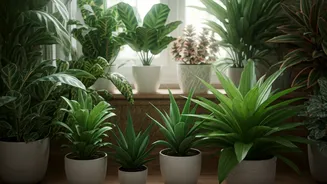
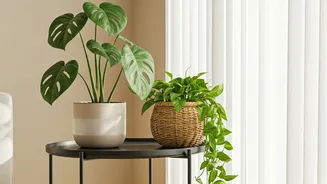
Convinced but still nervous? Start with one of these famously resilient options. 1. Snake Plant (Sansevieria trifasciata): Often called the “plant of steel,” it tolerates low light, infrequent watering, and general neglect. Its upright, sword-like leaves are modern and sculptural. 2. Pothos (Epipremnum aureum): This trailing vine is your visual feedback friend. It will look a little droopy when it’s thirsty, and it bounces back quickly after a drink. It’s perfect for hanging baskets or draping over a bookshelf and thrives in a wide range of light conditions. 3. ZZ Plant (Zamioculcas zamiifolia): If you’re a chronic over- or under-waterer, the ZZ plant is for you. With its wide, glossy leaves and underground rhizomes that store water, it can go weeks without a drink and still look showroom-perfect. It’s the closest thing to a beautiful, living piece of plastic.