

An Evolving American Dream
For decades, the path for many immigrants from India was clear: arrive in a major metropolitan hub like New York, Chicago, or the Bay Area; pursue demanding careers in medicine, engineering, or tech; and build a life centered on economic opportunity and educational
excellence for the next generation. The focus was on ascension, often within the concrete confines of a big city or its immediate suburbs. But as the Indian American community has matured and achieved significant financial success, its aspirations are evolving. The relentless pace and high cost of urban life are prompting a re-evaluation. The new dream isn't just about professional achievement; it's about holistic well-being. This shift is fueling a quiet but significant migration—not to another country, but to a different kind of America. The desire for "easy hills and better weather" is code for a search for balance: a life with less stress, more nature, and a stronger connection to family, away from the extremes of urban density and harsh climates.
The Appeal of the 'Easy Hills'
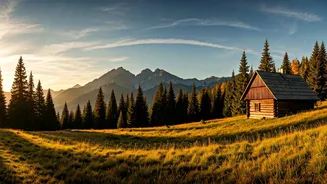
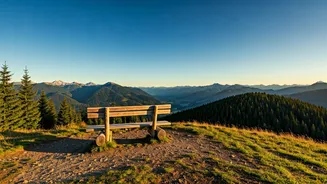
What exactly are "easy hills"? They aren't the rugged, imposing Rockies, which often require a specialized, high-endurance lifestyle. Instead, families are flocking to more accessible, rolling mountain ranges within a few hours' drive of major East Coast and Southern cities. Places like the Poconos in Pennsylvania, the Catskills in New York, the Blue Ridge Mountains of Virginia and North Carolina, and the Great Smoky Mountains in Tennessee are becoming hotspots. These destinations offer the perfect blend of natural beauty without demanding extreme ruggedness. The trails are often family-friendly, the views are serene, and the climate is a welcome relief—cooler than the sweltering Indian subcontinent and milder than the brutal winters of the Northeast or Midwest. For families with multiple generations living under one roof, from grandparents to young children, these gentle landscapes provide a comfortable and accessible escape for everyone.
Building Community Beyond the City
This trend is about more than just scenery; it's about community. As more Indian families buy vacation homes or relocate permanently to these areas, they bring their culture with them. What starts as a trickle becomes a stream, and soon a supportive ecosystem emerges. In towns across the Poconos, you can now find grocery stores stocking paneer and basmati rice alongside local produce. Temples and cultural centers are being established, and festivals like Diwali are celebrated with community potlucks and fireworks against a mountain backdrop. This phenomenon counters the old fear that moving away from a major city means leaving one's culture behind. Instead, these families are actively planting new roots and creating hybrid communities that blend American small-town life with rich Indian traditions. The presence of a familiar community makes the move feel less like an escape and more like a homecoming to a place you didn't know you were looking for.
From Weekend Getaway to Permanent Home
For many, the journey to the hills is a gradual one. It often begins with a weekend rental with friends, which turns into an annual family vacation. The positive experiences stack up: the kids spend time outdoors, the air feels cleaner, and the pace of life is slower. Eventually, the thought of buying a second home becomes a tangible goal. This second home serves as a multigenerational retreat, a place to decompress from the pressures of a high-stakes career. As remote work became normalized, the final step became possible for many. What was once a weekend escape could now become a primary residence. Families who once felt tied to a specific geography for work realized they could have the career *and* the quality of life they craved. This shift from vacationer to resident is transforming the demographic makeup of these quiet mountain towns and signaling a permanent change in where and how a successful life in America can be lived.