



The Tyranny of the Visa Application
For anyone with a U.S. or European passport, the idea of planning a vacation around visa bureaucracy might seem strange. But for decades, Indian travelers have faced a mountain of paperwork, invasive financial questions, long waits, and the constant,
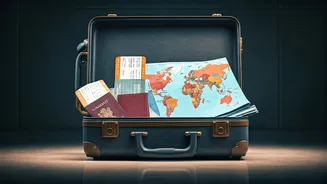
humbling uncertainty of rejection for even a short tourist trip. The process for securing a Schengen or U.S. visa can take months, requiring proof of funds, detailed itineraries, and in-person interviews, often with no guarantee of success. This friction has long acted as a brake on spontaneous travel, tethering aspirations to the slow, grinding wheels of consular services. Young Indians, armed with disposable income and a desire for global experiences fueled by Instagram, are simply running out of patience. They have the money and the will to travel, but they refuse to begin their holiday by feeling like a suspect in an interrogation room.
Meet the New Indian Traveler
The driving force behind this shift is a demographic unique to modern India: urban, upwardly mobile millennials and Gen Z. They are often dual-income couples or groups of friends in their 20s and 30s. Unlike their parents’ generation, for whom foreign travel was a rare luxury, this cohort sees it as an essential part of life. They are digitally native, planning trips through apps and drawing inspiration from social media influencers. They value experiences and cultural immersion over five-star luxury, but they demand convenience and respect. This generation isn’t asking for permission to see the world; they’re choosing destinations that roll out the welcome mat. They represent a massive, and until recently, largely untapped market of over 100 million potential travelers with growing spending power. And they vote with their wallets, rewarding countries that make it easy for them to visit.
The Southeast Asian Express
So, where is everyone going? The primary beneficiaries of the visa-light boom are countries in Southeast Asia. Thailand, Malaysia, Vietnam, and Sri Lanka have become the go-to destinations. These nations have been smart, recognizing the immense potential of the Indian market. By offering visa-free entry or simple visa-on-arrival policies, they have effectively created a travel corridor. The appeal is obvious: a 4-5 hour flight from major Indian cities lands you in a place with beautiful beaches, vibrant street food, and a rich culture—all accessible without months of planning. For the cost and administrative headache of applying for a single Western visa, a young Indian can take multiple trips to these neighboring countries. This has turned the quick long-weekend getaway, once a domestic affair, into an international possibility.
More Than Just a Vacation
This trend is about more than just tourism; it’s a quiet story of shifting global economics and soft power. Countries are now actively competing for the Indian tourist dollar. When Thailand announced its temporary visa waiver for Indian citizens, it saw an immediate and dramatic spike in bookings. Malaysia and Sri Lanka followed suit. This isn't charity; it's smart economic policy. These travelers spend on hotels, food, shopping, and tours, injecting millions into local economies. In a way, the “visa-light” movement is a barometer of India’s growing economic influence. While the Indian passport is still relatively weak in global rankings, the economic power of its citizens is forcing countries to rethink their visa policies. An easy visa is no longer just a travel perk; it’s a tool of economic diplomacy, and increasingly, a non-negotiable for a generation of Indians ready to explore.