



Moving Beyond the Safari Stereotype
The moment someone mentions a trip to Africa, the image that often springs to mind is a singular one: a khaki-clad tourist in a jeep, gazing at lions on a savanna. While the continent is home to the world’s most magnificent wildlife experiences—from Kenya’s
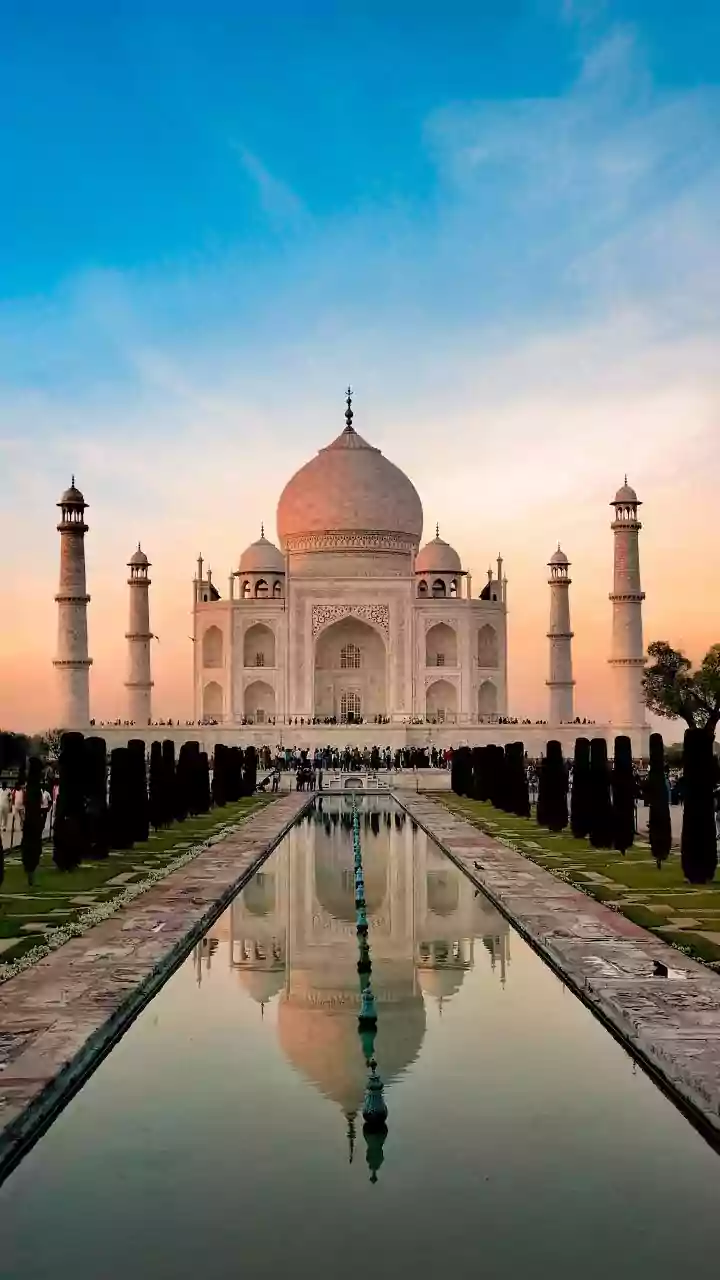
Maasai Mara to Tanzania’s Serengeti—reducing Africa to just safaris is like saying India is only the Taj Mahal. The reality is a continent of 54 countries, each with its own rhythm, history, and landscape. Imagine exploring the surreal salt flats of Botswana, the ancient rock-hewn churches of Lalibela in Ethiopia, or the vibrant, Afro-Portuguese culture of Mozambique’s coastline. Consider the bustling markets of Marrakech, the dramatic canyons of Namibia, or the cool, creative energy of cities like Kigali, Rwanda. For the Indian traveler accustomed to navigating complex, multi-layered societies, Africa offers not a single, monolithic experience, but a mosaic of destinations that defy easy categorization. It’s a place of immense urban dynamism, profound history, and breathtaking natural beauty that extends far beyond the 'Big Five.'
A Surprising Taste of Home
A common apprehension for Indian travelers, especially those with multi-generational groups or specific dietary needs, is food. The fear of a bland, unfamiliar culinary landscape is a powerful deterrent. Yet, in many parts of Africa, particularly East and Southern Africa, the Indian influence is so deeply woven into the local cuisine that it feels like a home away from home. Centuries of trade and migration have left an indelible mark. In Kenya and Tanzania, you’ll find chapati, samosas (called ‘samoussas’), and fragrant curries on nearly every menu. In South Africa, the city of Durban is famous for 'bunny chow'—a hollowed-out loaf of bread filled with fiery curry, a dish born from the city’s large Indian population. Beyond these direct connections, the broader African palate often aligns beautifully with Indian tastes. A shared love for bold spices, hearty stews, lentils, and vegetable-based dishes makes dining an adventure rather than a challenge. The prevalence of fresh produce and the growing awareness of global tastes mean that finding delicious vegetarian and vegan food is easier than ever, from coastal Swahili kitchens to upscale urban restaurants.
Shared Histories and Deep Connections
For Indians, traveling through certain parts of Africa can be a poignant journey into a shared past. The historical ties run deep, from ancient maritime trade routes to the more recent, and often painful, experiences of British colonialism. Mohandas Gandhi’s transformation into the Mahatma began not in India, but during his 21 years as a lawyer and activist in South Africa. Visiting Johannesburg’s Constitution Hill or Durban’s Phoenix Settlement provides a powerful, tangible link to India’s own freedom struggle. This shared history has fostered a significant Indian diaspora across the continent, particularly in countries like Kenya, Uganda, Tanzania, and South Africa. For an Indian traveler, this presence offers a unique layer of comfort and connection. It’s the familiarity of seeing a temple in Nairobi, hearing Hindi or Gujarati spoken in a Durban market, or understanding the complex social fabric of a post-colonial nation. This isn't just tourism; it's a dialogue with a history that has shaped both India and Africa.
The Value of a New Adventure
Let’s talk pragmatics. A two-week family vacation to Switzerland or France can be prohibitively expensive. In contrast, many African destinations offer incredible value. The currency exchange rate is often highly favorable to travelers coming with U.S. dollars (a common currency for Indian international travel planning), making everything from high-end lodges to local crafts and dining feel more accessible. While a luxury safari can be a significant investment, countries like South Africa, Namibia, and even Kenya offer a wide spectrum of options, from self-drive tours and affordable national park stays to all-inclusive luxury. Furthermore, the visa process for Indian passport holders is often simpler for many African nations compared to the Schengen or U.S. visa hurdles. Several countries offer visas on arrival or straightforward e-visa systems, removing a major point of friction in travel planning. When you combine favorable economics with easier logistics, the argument for choosing Africa becomes not just romantic, but intensely practical.