
Upgrade Your Pet's 'Go-Bag'
A basic kit with food, water, and a leash is no longer enough. In an era of potential flash floods and sudden evacuation orders, a modern pet “go-bag” needs to be more robust. Start with the essentials: a 72-hour supply of food in a waterproof container
and several gallons of water. But the detailed approach adds layers. Include copies of vaccination records and medical history on a USB drive or saved to a cloud service. Pack a two-week supply of any necessary medications, including flea, tick, and heartworm preventatives, as exposure to standing water can increase parasite risk. Finally, add comfort items. A favorite blanket, a long-lasting chew toy, or an old t-shirt with your scent can significantly reduce stress in a shelter or unfamiliar environment. This isn't just about survival; it's about maintaining their well-being during a crisis.
Address Storm Anxiety Proactively
The dramatic thunder, lightning, and barometric pressure drops during a monsoon can terrify pets. Previously, the advice was to simply soothe them. Today, the focus is on proactive anxiety management. This starts with creating a “safe den” in an interior room of your house, away from windows. Make it comfortable with their bed, toys, and a white noise machine or a fan to muffle storm sounds. For more severe anxiety, veterinarians and trainers now recommend a wider range of tools. Pressure wraps like the Thundershirt can have a calming, swaddling effect. Pheromone diffusers (like Feliway for cats or Adaptil for dogs) can create a sense of security. In recent years, vets may also discuss calming supplements or, for extreme cases, prescription anti-anxiety medication. The key is to have these tools on hand *before* the first storm hits, not during it.
Guard Against Invisible Dangers
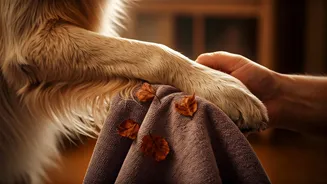
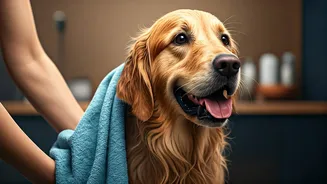
Monsoons bring more than just wind and rain. The powerful dust storms, or haboobs, that often precede the rain can kick up fungal spores from the desert soil, including those that cause Valley Fever—a serious respiratory infection in dogs and humans. During a dust storm warning, keeping pets inside with windows closed is critical. After the rain, the damp environment creates a breeding ground for mosquitos and fungi. Check your yard for standing water to prevent mosquitos, and be mindful of mushrooms popping up, as many are toxic to pets. It’s also wise to wipe your dog’s paws after they’ve been outside in wet, muddy conditions to prevent skin irritation or fungal infections between their toes.
Leverage Modern Technology
Technology offers powerful new ways to keep pets safe. First and foremost, ensure your pet’s microchip information is up-to-date with your current address and phone number. This is the single most effective tool for reuniting lost pets with their owners. For an extra layer of security, consider a GPS tracking collar. These devices can provide real-time location data to your smartphone, which is invaluable if a pet escapes through a broken fence or open door during a chaotic storm. Also, make use of weather alert apps. Set up notifications for flash floods, severe thunderstorms, and dust storms in your area. This advance warning gives you the time you need to bring pets inside, secure your yard, and prepare your safe room before the weather turns.
Practice Calmness All Year
One of the most advanced preparation techniques is behavioral. Instead of only reacting to storms, you can help desensitize your pet to the sounds of one. During the dry season, you can play recordings of thunderstorms at a very low volume while giving your pet treats or playing their favorite game. Over weeks or months, you can gradually increase the volume. This process, known as counter-conditioning, helps your pet build a positive association with the sounds they once feared. This long-term approach transforms storm prep from a seasonal scramble into a year-round wellness strategy, building resilience that will serve your pet through monsoon season and beyond.