





Moving Past the Misconception
When many Americans think of Indian food, their minds often go to the rich, cream-laden curries of the neighborhood takeout spot—delicious, but hardly the poster child for clean eating. Dishes like chicken tikka masala and saag paneer, while popular,
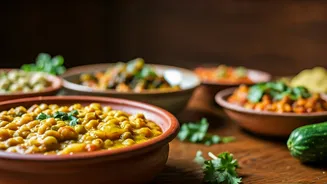
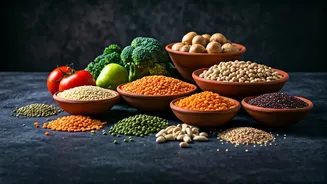
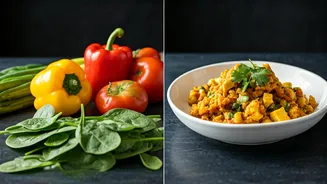
represent a sliver of the subcontinent's vast culinary landscape, often adapted for a Western palate. This perception has long kept authentic Indian cuisine on the sidelines of the mainstream wellness conversation. But that's changing. Chefs, nutritionists, and savvy diners are looking beyond the buffet line to the home-style, regional cooking of India. This is a world of food that is deeply nuanced, predominantly plant-based, and built on a foundation of health. It’s a cuisine where lentils and legumes are stars, vegetables are celebrated in countless forms (known as subzis), and flavor is built with a complex arsenal of spices, not just fat and salt.
The Ayurvedic Wisdom Behind the Spice
The secret weapon behind this trend is Ayurveda, a 5,000-year-old system of natural healing with roots in India. In Ayurveda, food isn't just fuel; it's medicine. The core principle isn't about counting calories but about balance—balancing the six tastes (sweet, sour, salty, bitter, pungent, and astringent) and eating for your specific body type, or dosha.
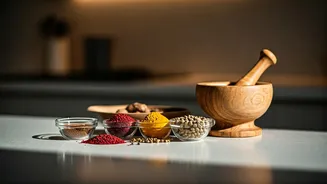
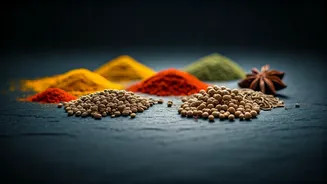
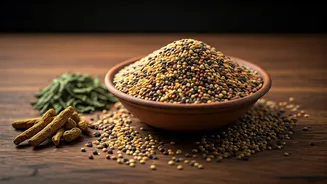
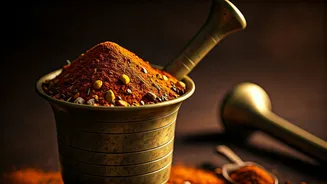
This ancient science champions a strong digestive fire, or agni, as the key to good health. To support it, Ayurvedic cooking uses spices like turmeric (a powerful anti-inflammatory), ginger (an aid for digestion), cumin (to reduce bloating), and fenugreek (to help regulate blood sugar). Ghee, or clarified butter, is prized as a healthy fat that helps deliver nutrients deep into the body’s tissues. Fermented foods like yogurt and dosa batter are staples, recognized for promoting a healthy gut microbiome long before it became a wellness buzzword in the West. It’s a holistic system that sees diet as integral to physical, mental, and spiritual well-being.
What It Looks Like on the Menu
So, how is this translating to modern wellness menus in the U.S.? Instead of another quinoa bowl, you might see khichdi. Traditionally a humble, comforting one-pot meal of rice and lentils, it's now being hailed as a perfect detox dish—easy to digest, protein-rich, and a blank canvas for healing spices like turmeric and ginger. You might find golden milk lattes, a take on haldi doodh, which combines warm milk with turmeric and black pepper to unlock its anti-inflammatory benefits.
Restaurants are highlighting regional specialties that are naturally light and healthy. Think of steamed lentil cakes (dhokla) from Gujarat, thin lentil crepes (dosa) from the South served with vegetable stew (sambar), or simple, seasonal vegetable stir-fries seasoned with a handful of key spices. These dishes deliver immense flavor and satisfaction without relying on heavy creams or excessive oil, proving that healthful eating doesn't require sacrifice.
Flavor Is the Point, Not the Enemy
Perhaps the most significant contribution of this trend is its philosophical shift. For too long, American wellness culture has been tinged with a sense of puritanical restriction, where blandness is equated with virtue. Healthy food was something to be endured, not enjoyed.
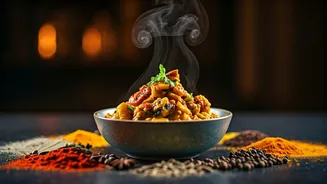
Authentic Indian cuisine directly challenges this notion. It argues that spices and complex flavors aren't just acceptable; they are essential. They make food delicious, which aids satisfaction and prevents cravings. More importantly, those same spices are doing medicinal work in your body. This re-centering of pleasure in the pursuit of health is a radical act. It suggests that wellness can be found in a warm, fragrant bowl of dal, not just a cold, sterile salad. It’s a move from a mindset of deprivation to one of joyful, intelligent nourishment.