






Not Just Another Veggie Burger
When you think of plant-based meat in the U.S., you probably picture a Beyond or Impossible burger sizzling on a grill, designed to mimic beef as closely as possible. The goal has largely been to convert carnivores. But in India, the world’s most populous
country, the alternative protein movement is unfolding against a vastly different cultural backdrop. This isn’t about tricking steak lovers. It’s about innovating within a society where vegetarianism is mainstream and flexitarian eating is the norm for hundreds of millions. Nearly a quarter of Indians identify as vegetarian, and many more abstain from meat on certain days or occasions. The challenge for startups isn’t convincing people to skip meat, but to offer them something new, convenient, and aspirational that fits into a complex and sophisticated culinary tradition. The market isn’t focused on replicating a rare steak; it's about creating plant-based versions of mutton keema, chicken biryani, and prawn curries that can satisfy a discerning palate accustomed to intricate spice blends and textures.
Meet the New Wave of Innovators
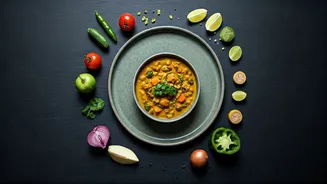
A wave of Indian startups is leading this charge, backed by both domestic and international investors who see immense potential. Companies like Blue Tribe Foods, Shaka Harry, and GoodDot are not simply importing Western products. They are engineering ingredients from jackfruit, soy, peas, and other legumes to create products specifically for the Indian kitchen. Walk down a virtual aisle of their offerings and you’ll find plant-based chicken nuggets and sausages alongside mutton samosas, galouti kebabs, and ready-to-heat biryanis. This strategy of “localization” is critical. For these products to succeed, they must integrate seamlessly into meals that have been perfected over generations. It’s a high bar to clear. A plant-based substitute can't just taste 'good enough'; it has to hold up in a slow-cooked curry and absorb the flavors of turmeric, cardamom, and coriander without turning to mush. This focus on culinary application, rather than just raw mimicry, is what makes the Indian experiment so compelling.
The Hurdles of Price and Palate
Despite the optimism, the path to mass adoption is steep. The most immediate barrier is cost. Currently, most alternative proteins are priced as premium products, putting them out of reach for the average Indian consumer. For a movement built on sustainability and accessibility to truly take hold, prices will need to become competitive with conventional meat and traditional proteins like paneer and lentils. Beyond price, there's the monumental challenge of taste and tradition. Indian consumers are famously value-conscious and have a deep-seated appreciation for fresh, natural ingredients. The 'highly processed' label that dogs some plant-based products in the West is an even bigger hurdle here. Companies must convince shoppers that their products are not just novel but also wholesome. Winning this battle requires more than clever marketing; it demands genuine product excellence that honors the country’s rich food culture while offering a clear benefit, whether that’s convenience, nutrition, or sustainability.
Why This Experiment Matters Globally
What’s happening in India’s kitchens is more than a niche food trend; it's a test case for the future of global protein consumption. As the country's economy grows, so does its appetite for protein. Meeting that demand sustainably is a monumental challenge for India and the world. Alternative proteins offer a potential solution, one that could alleviate pressure on livestock farming, reduce greenhouse gas emissions, and improve food security. Success in India would prove that the alternative protein movement can be culturally versatile, adapting to diverse culinary traditions far beyond the American burger bun. It would create a new playbook for launching these products in other parts of Asia, Africa, and Latin America. The innovations born out of the necessity to please the Indian palate—better textures, cleaner labels, and more affordable ingredients—could end up setting new standards for the entire industry worldwide.