

The New Definition of Bold
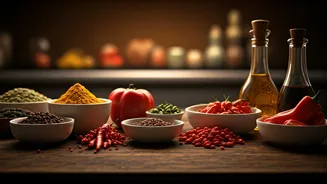
Forget the one-note nuclear heat of novelty hot sauces. Today’s “bold” is all about complexity, depth, and a global pantry. It’s the funky, tangy punch of fermentation, the savory depth of umami, and the aromatic warmth of intricate spice blends. We’re
moving beyond just jalapeños and Sriracha into a world of gochujang (a sweet and savory Korean chili paste), harissa (a North African chili and spice blend), and tangy, gut-friendly kimchi. Chefs are layering flavors in ways that excite the entire palate. Think less about a dare and more about a journey. This new boldness might come from the smoky heat of chipotles in adobo, the earthy funk of black garlic, or the bright, floral notes of pink peppercorns. It’s a flavor profile that makes you stop and think, “What is that? It’s amazing.” This shift reflects a more curious and educated diner, one who has been exposed to a world of flavors through travel shows, social media, and a diversifying American food scene.
Unpacking the 'Smarter' Plate
So, what makes a plate “smarter?” It’s not about calorie counting or joyless health food. Instead, it’s a holistic approach that combines nutritional wisdom with ethical and culinary intelligence. On one hand, it’s about function—dishes designed to support gut health with prebiotics and probiotics, or reduce inflammation with ingredients like turmeric and ginger. You’re seeing more fermented foods and fiber-rich vegetables taking center stage not just for their taste, but for their benefits. On the other hand, “smarter” is about sustainability. Chefs are embracing root-to-stem cooking, using every part of the vegetable to minimize waste. They’re creating delicious stocks from scraps, pickling stems, and turning carrot tops into pesto. This approach, often called “upcycling,” finds delicious new uses for ingredients that were once discarded. It’s a creative challenge that results in more interesting dishes that are also kinder to the planet.
Where Flavor Meets Function
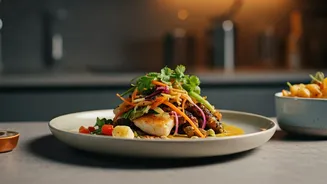
The real magic happens when these two trends collide. This isn’t a case of sprinkling cayenne on a salad and calling it a day. It’s a thoughtful fusion where the bold flavors enhance, and are enhanced by, the smarter ingredients. Imagine a hearty grain bowl that doesn’t just have roasted vegetables, but vegetables glazed in a miso-tahini dressing that delivers a massive umami bomb while being packed with plant-based protein. Think of a vibrant slaw made not just from cabbage, but from crunchy, pickled broccoli stems, dressed in a vinaigrette humming with gochujang and sesame oil—a dish that’s zero-waste, great for your gut, and incredibly delicious. Another perfect example is the rise of savory, complex mushroom broths. By using a variety of mushrooms and long-simmering techniques, chefs can create a deeply satisfying, plant-based broth that has all the richness of a traditional meat stock, hitting those bold, umami notes while remaining light and healthful.
How to Try This at Home
You don’t need a culinary degree to bring this trend into your own kitchen. The easiest entry point is the grocery store spice aisle or international foods section. Pick up one new ingredient to experiment with. A tub of white miso can add savory depth to everything from salad dressings to marinades for chicken or fish. A jar of za’atar, a Middle Eastern spice blend of thyme, sesame, and sumac, can elevate roasted vegetables or simple grilled chicken. When you’re cooking, think like a “smart” chef. Don’t toss those kale stems; slice them thin and sauté them with garlic before you add the leaves. Save your parmesan rinds and vegetable peels in a bag in the freezer. Once it’s full, simmer them in water to create a flavorful, free soup base. It’s about adopting a mindset of curiosity and resourcefulness, which will make your cooking more exciting, sustainable, and satisfying.