

The Modern Pet's Calorie Problem
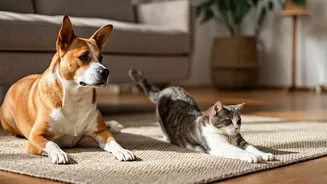
Many of today's dogs and cats are living a life of leisure their wild ancestors could only dream of: climate-controlled homes, plush beds, and meals delivered on schedule. While this life is comfortable, it’s also largely sedentary. A dog bred for herding
or a cat evolved for hunting now spends most of its day napping on the sofa. This creates a significant metabolic mismatch. Their bodies are still wired for a higher level of activity, but their daily energy expenditure is a fraction of what it once was. Just like with humans, when calories in consistently exceed calories out, the surplus is stored as fat. Pet food manufacturers often base their feeding guidelines on active, intact animals, which doesn't reflect the reality for a spayed or neutered indoor pet. This discrepancy is a primary driver of the pet obesity epidemic.
Why 'A Little Extra' Is a Big Deal
It’s easy to underestimate the impact of a few extra kibbles or a small piece of cheese. For a 10-pound cat, just 10 extra pieces of kibble a day can lead to a pound of weight gain in a year—the equivalent of a human gaining 15 pounds. This gradual weight creep is the silent cause of a host of serious health problems. The Association for Pet Obesity Prevention estimates that nearly 60% of cats and dogs in U.S. are overweight or obese. This excess weight puts tremendous strain on their joints, worsening or even causing arthritis. It increases their risk for type 2 diabetes, heart and respiratory disease, kidney problems, and even certain types of cancer. Overweight pets live shorter, less comfortable lives. What feels like an act of love—a generous portion or a constant stream of treats—can inadvertently be compromising their long-term health and well-being.
Measure, Don't Just Scoop
The single most effective change a pet owner can make is to stop free-feeding and start measuring. The scoop that comes in a bag of dog food is not a precision instrument, and 'filling the bowl' is a recipe for overfeeding. The first step is to use an actual measuring cup and follow the guidelines on your pet’s food packaging as a starting point. Remember, these are just suggestions. A lazy lap dog doesn't need the same amount of food as a high-energy working dog of the same weight. You need to adjust the portion based on your pet’s individual activity level, age, and body condition. A veterinarian can help you determine your pet's ideal weight and daily caloric needs, taking the guesswork out of it. Once you know the right amount, be consistent. Divide the daily portion into two meals to help them feel full and manage hunger.
Rethink the Treat Economy
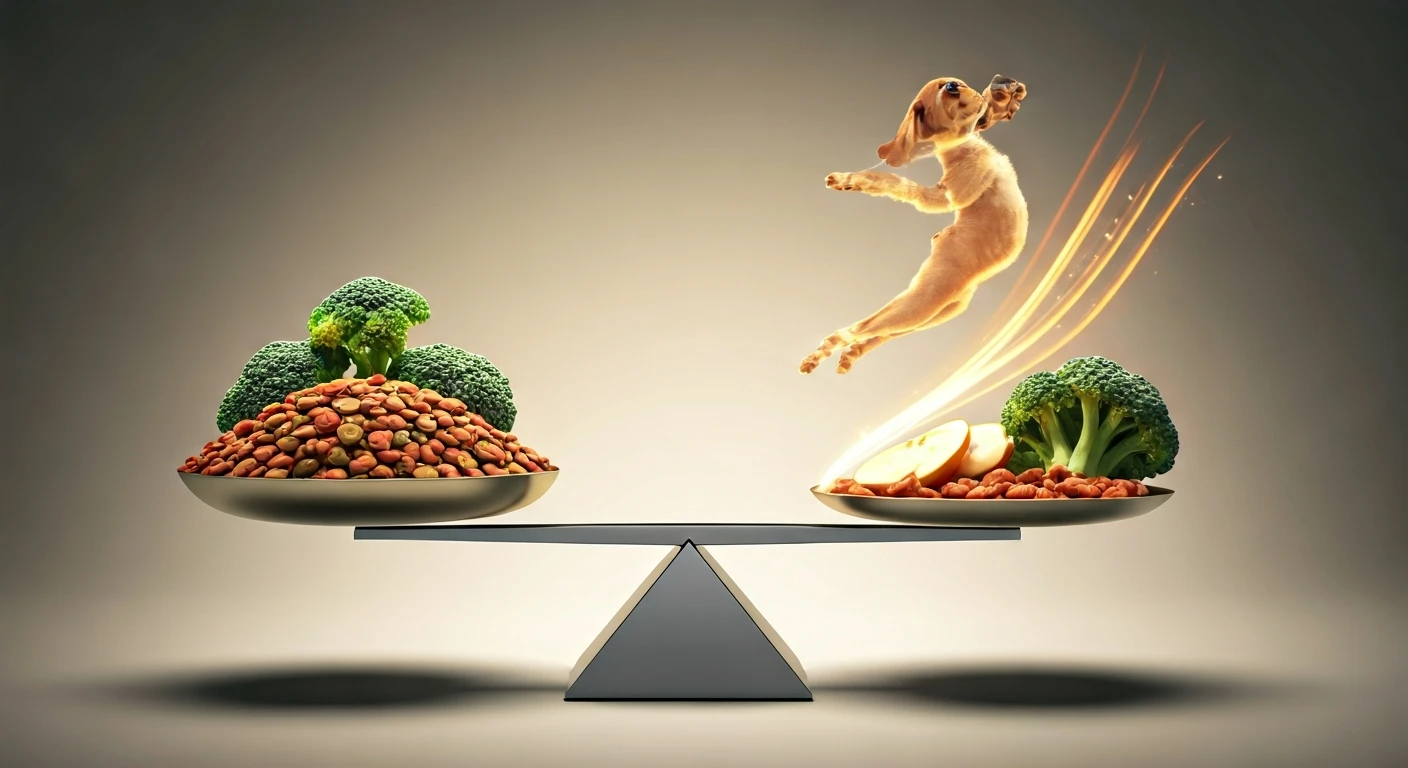
Treats are a major source of hidden calories. A single popular dental chew can contain over 100 calories—a significant portion of a small dog’s daily requirement. Many owners forget to factor these additions into their pet's overall diet. A good rule of thumb is that treats should make up no more than 10% of your pet's total daily calorie intake. Instead of high-calorie commercial biscuits, consider healthier alternatives. Many dogs and cats love small pieces of carrots, green beans, or apple slices (without the seeds). You can also use a portion of their regular kibble as 'treats' for training or rewards. This ensures they are getting balanced nutrition without the extra fat, salt, and sugar found in many commercial products. It’s not about eliminating treats entirely, but about being smart and intentional with them.
Show Love Beyond the Bowl
We often use food to show affection, but our pets crave our attention more than an extra snack. When your dog puts their head on your lap or your cat meows for attention, they aren't always asking for food—they're often asking for engagement. Instead of reaching for the treat jar, try a different kind of reward. Initiate a short play session with a favorite toy, go for a quick walk around the block, engage in a 5-minute training session to practice a new trick, or simply offer a good scratch behind the ears. Using puzzle feeders or food-dispensing toys is another fantastic option. They make your pet work for their meal, providing mental stimulation and slowing down their eating, which can help them feel more satisfied with their portion.