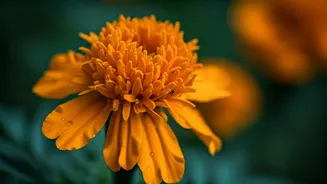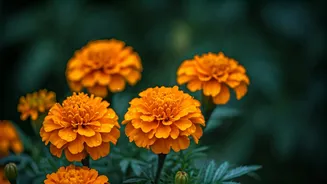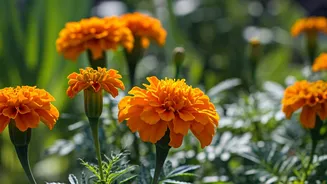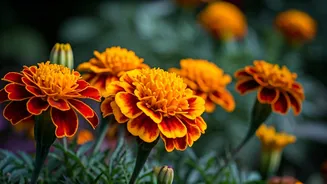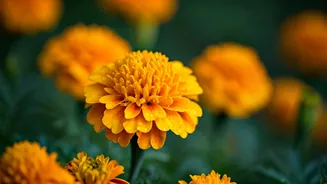




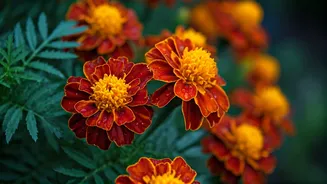
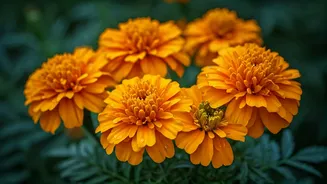


The Unmistakable Visual Appeal
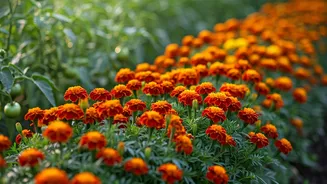
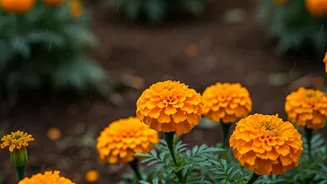
Marigolds are a landscape designer’s workhorse for a reason. They offer a blast of reliable, season-long color in shades of brilliant yellow, deep orange, and rich mahogany. Whether you’re creating a formal edge for a vegetable patch or a cheerful, informal
border along a walkway, marigolds deliver. There are three main types to consider: French marigolds (*Tagetes patula*) are compact and bushy, perfect for dense, low borders. African marigolds (*Tagetes erecta*) are much taller, with large, globe-like flowers that can create a dramatic backdrop. And Signet marigolds (*Tagetes tenuifolia*) have a more delicate, lacy foliage with smaller, edible flowers, offering a softer texture. By mixing these varieties, you can create layers of color and height that keep your garden vibrant from late spring until the first frost.
The Truth About Pest Control
The headline promises functional pest management, and this is where marigolds’ reputation truly shines—and where it gets complicated. For generations, gardeners have sworn by them as a cure-all, planting them to ward off everything from rabbits to nematodes. While there is real science behind some of these claims, marigolds are not a magical force field. Their effectiveness depends entirely on which pest you’re trying to control and how you use the plants. Simply adding a few marigolds to a border won't solve all your problems, but understanding their specific strengths can make them a powerful tool in your organic gardening arsenal.
Fact: The Nematode Nemesis
Here is the most scientifically supported claim: certain marigolds are toxic to root-knot nematodes. These microscopic worms live in the soil and can cause significant damage to the roots of susceptible plants like tomatoes, peppers, and squash, leading to stunted growth and poor yields. French marigolds, in particular, release a biochemical substance (alpha-terthienyl) from their roots that is highly effective at killing them. However, there’s a catch. For this effect to work, the nematodes must be present, and the marigolds need to be planted densely as a cover crop *before* you plant your vegetables. The idea is to grow a solid stand of marigolds, let them establish for a full season, and then till them into the soil. This “biofumigation” process cleanses the soil for the next year’s crop. Simply interplanting a few marigolds among your tomatoes won’t have the same dramatic impact on an existing nematode problem.
Myth-Busting: Above-Ground Pests
What about the common belief that marigolds repel rabbits, deer, or insects like squash bugs and tomato hornworms? This is where the evidence becomes largely anecdotal. The pungent scent of marigolds, which many people find unpleasant, is thought to confuse or deter some pests. While a rabbit might avoid a bed with a strong-smelling marigold border, a hungry deer will likely walk right past them. There is very little scientific research to support the idea that marigolds actively repel most flying or crawling insects. In fact, they can sometimes attract spider mites, so be watchful. The bottom line: using marigolds to deter above-ground pests is a low-risk experiment, but don’t count on it as your primary line of defense.
An Unexpected Benefit: Attracting Allies
While marigolds may not repel as many pests as the legends suggest, they are excellent at attracting beneficial insects to your garden. Their simple, open flowers provide an easily accessible source of nectar and pollen for pollinators and predatory insects alike. Hoverflies, ladybugs, and parasitic wasps are all drawn to marigolds. These garden allies are the unsung heroes of pest control, as their larvae feast on destructive pests like aphids. So, by planting marigolds, you’re not necessarily putting up a "No Trespassing" sign for pests; instead, you’re rolling out the welcome mat for their natural enemies. This makes them a key part of building a healthy, balanced garden ecosystem.
Best Practices for Your Border
To get the most from your marigold border, a little planning goes a long way. First, choose the right variety for your goal. For nematode control, stick to French marigolds like 'Nemagold' or 'Tangerine.' For a bold aesthetic, go with the tall African varieties. Plant them in a location that receives at least six hours of direct sun per day, as they won’t flower well in the shade. Space them according to the plant tag—usually 6 to 12 inches apart—to create a thick, continuous line of color. Marigolds are not heavy feeders and are quite drought-tolerant once established, making them a low-maintenance choice for a beautiful and functional edge.