




Beyond Coffee and Soda
The campus beverage landscape is being redefined. It’s no longer a simple choice between a latte for focus or a Coke for a midday treat. Today’s students are reaching for a new category of drinks broadly known as “functional beverages.” These are drinks designed
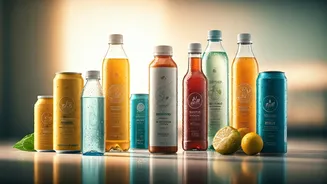
to do more than just hydrate or caffeinate; they claim to offer added benefits, from improving gut health to sharpening focus. Brands like Olipop and Poppi, with their low-sugar, high-fiber prebiotic sodas, are becoming status symbols. Meanwhile, energy drinks have received a wellness makeover with brands like Celsius, which markets itself with “healthier” ingredients and no sugar crash. Even hydration has been upgraded, with electrolyte powders like Liquid I.V. becoming a staple for recovering from a late night or refueling after a workout. This isn't just one drink stealing market share; it's a whole new mindset about what a beverage should be.
The 'Healthy' Halo Effect
So, what’s driving the takeover? At its core, this trend is powered by Gen Z’s deep-seated focus on health and wellness. This is a generation that grew up with unprecedented access to information about nutrition, ingredients, and long-term health. They are fluent in the language of prebiotics, adaptogens, and nootropics. Traditional sodas, loaded with high-fructose corn syrup and artificial ingredients, feel like relics from another era. These new drinks appeal to students by highlighting what they *don’t* have—namely, tons of sugar and unpronounceable chemicals. Instead, marketing focuses on positive additions: plant-based fiber for gut health in Poppi, essential vitamins and green tea extract in Celsius, or an optimal balance of electrolytes in Liquid I.V. The appeal is less about deprivation and more about optimization—upgrading a daily habit into an act of self-care.
Fuel for the Feed
You can’t separate this trend from the power of social media. These drinks are, to put it simply, incredibly photogenic. The pastel cans of Olipop and the vibrant gradients of Celsius are perfectly designed for an Instagram story or a TikTok “what I eat in a day” video. Influencers and campus ambassadors unbox PR packages, transforming a simple beverage into an aspirational lifestyle product. The can itself becomes a prop, a signal to followers that you’re in-the-know, health-conscious, and aesthetically savvy. Viral trends, like the Poppi-and-Pilates aesthetic or the student-athlete embrace of Celsius, create powerful feedback loops. Seeing a drink constantly on your feed builds curiosity and social proof, making it an easy choice next time you’re at the campus convenience store or Target.
A New Kind of Energy
Perhaps the most significant shift has been in the energy drink category. For years, energy drinks were associated with extreme sports, a hyper-masculine image, and concerning health warnings. Brands like Celsius have successfully rebranded the entire concept for a wellness-focused audience. Instead of promising a frantic, jittery buzz, they offer “functional energy.” The pitch is tailored perfectly to the modern student: a tool to power through a four-hour study session, a morning lecture after a late night, or a workout, all without the dreaded sugar crash. By using ingredients like green tea, ginger, and guarana extract, they cultivate an image of being a smarter, cleaner way to get a boost. This has allowed them to capture a massive new audience, including many young women who previously shunned the category, making them a common sight in libraries and lecture halls.