



The Food: A Seat at the Table
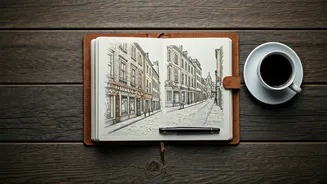
In travel, food is more than fuel; it’s a direct line to the heart of a culture. But there’s a world of difference between a restaurant meal and a home-cooked one. In a homestay, the kitchen is often the center of gravity. It’s where you’ll smell garlic
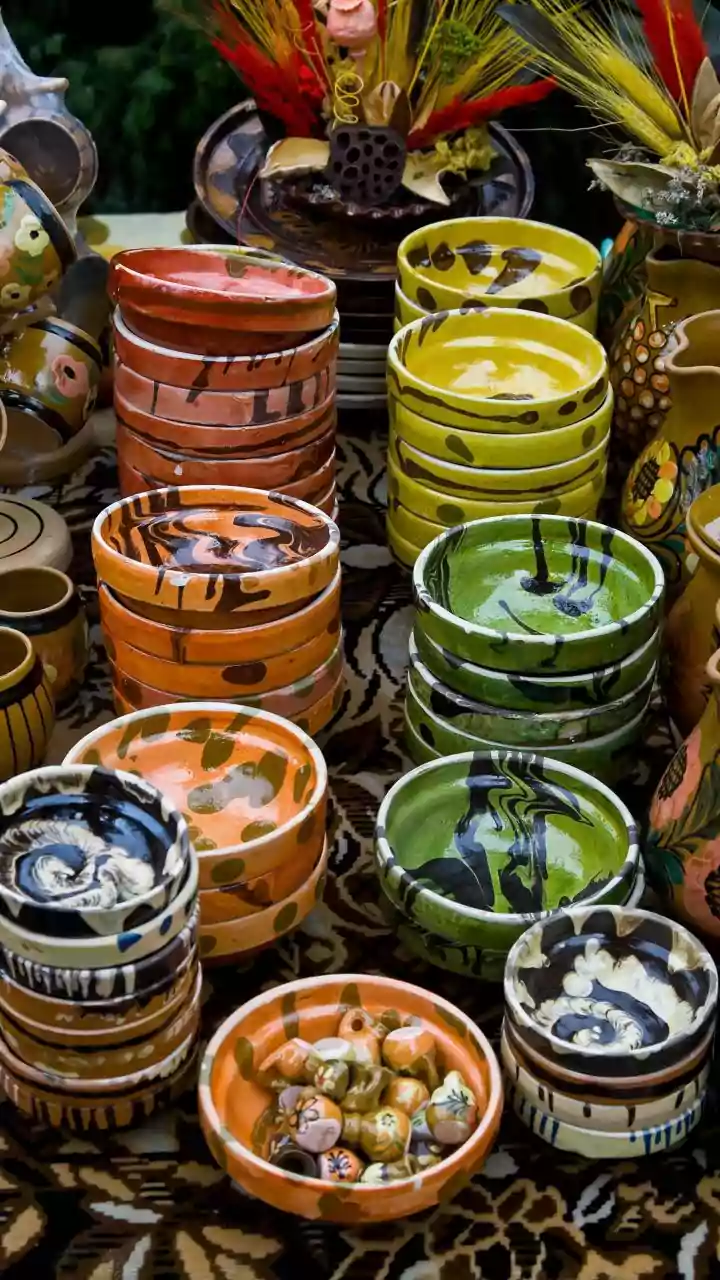
sizzling in a pan your host has owned for 20 years, learn the secret to a family recipe without asking, or share a simple breakfast of local bread and jam while discussing the day’s plans. This isn’t about Michelin stars; it’s about connection. The food you eat in a homestay tells a story—of the region, of the season, and of the family you’re staying with. It’s the slightly-too-strong coffee served with a smile, the unfamiliar fruit from the garden, or the offer of leftovers from last night’s dinner. These moments of shared sustenance break down the barrier between tourist and local, turning a simple meal into an act of welcome and belonging. You don’t just taste the food; you absorb the context, the care, and the community that comes with it.
The Views: A Window into Real Life
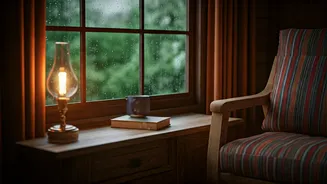
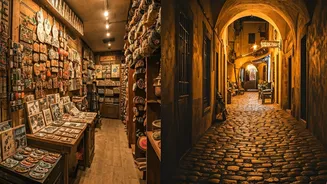
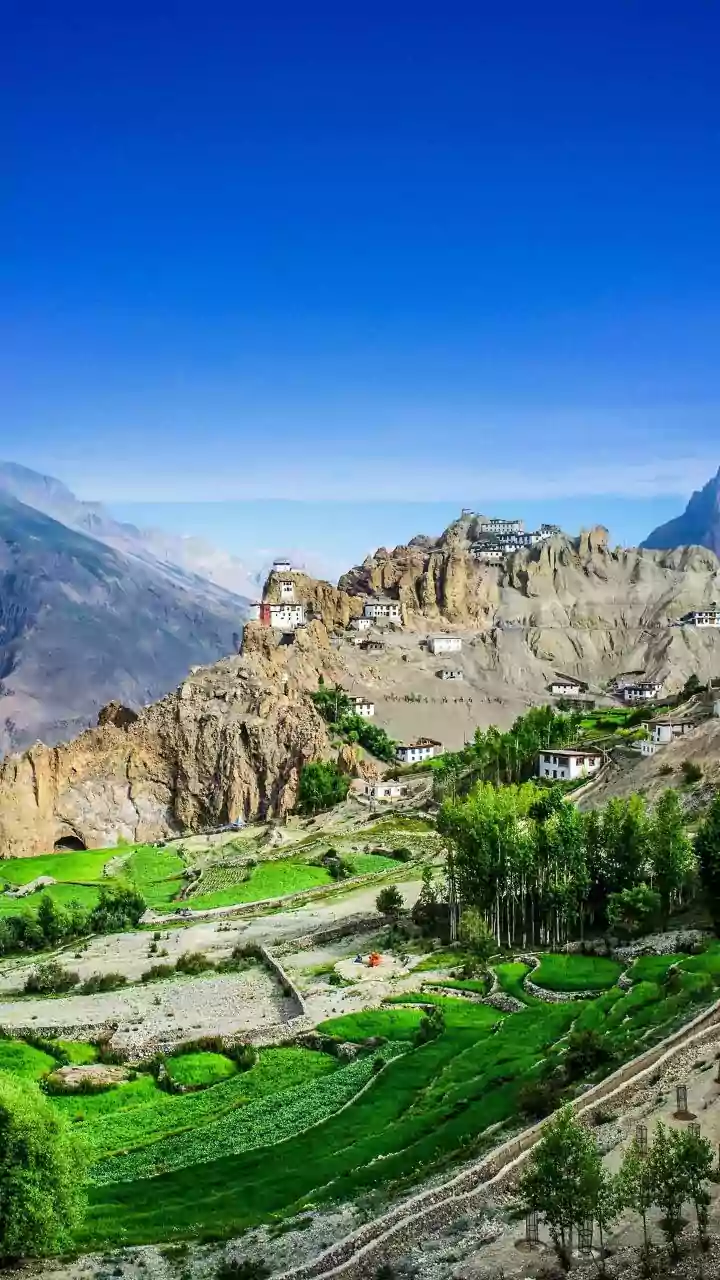
Tourist hotspots offer iconic views—the Eiffel Tower from the Trocadéro, the Grand Canyon at sunrise. These are magnificent, but they are public property, shared with thousands. The view from a homestay window is different. It’s personal, private, and offers a glimpse into a world you wouldn’t otherwise see. Instead of a landmark, you might see a neighbor hanging laundry, a cat napping on a tiled roof, or children playing in a courtyard. You watch the rhythm of a neighborhood unfold: the morning commute, the afternoon lull, the glow of streetlights at dusk. This perspective shift is profound. You’re no longer just looking *at* a place; you’re looking *out* from within it. This quiet, unfiltered observation provides a deeper sense of place than any panoramic viewpoint. It’s the view that reminds you that this beautiful, foreign city is also, for many, simply home.
The Rain: The Gift of the Unexpected
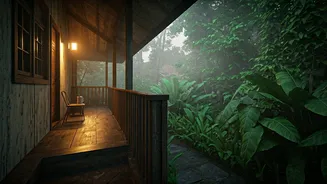
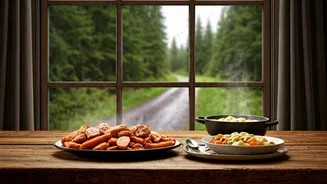
No one wishes for rain on their vacation. We pack our itineraries full, determined to see and do everything. But in a homestay, a rainy day isn’t a disaster; it’s an opportunity. “Rain” is a metaphor for all the unplanned, imperfect moments that force you to slow down. It’s the sudden downpour that keeps you inside, leading to an impromptu card game with your host. It’s the transit strike that cancels your day trip, leaving you to explore the local market instead. It’s the quiet afternoon when you have nothing to do but sit on the porch and read. Unlike a hotel, where you might feel isolated and bored, a homestay offers a sense of shelter and company. These forced pauses are where the real magic happens. They strip away the pressure of the itinerary and create space for genuine connection and reflection. You stop being a tourist on a schedule and become a guest in a home. Years later, you won’t remember every museum you visited, but you will remember the sound of rain on the roof and the quiet comfort of being welcomed inside.