
Beyond Farm-to-Table
For years, “farm-to-table” has been the gold standard for conscientious diners. It signaled a restaurant’s commitment to freshness and community, a promise that your meal wasn't assembled from ingredients shipped across continents. But a new, more intense
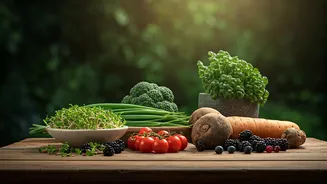
philosophy is taking root in the world of premium dining: hyperlocal sourcing. This isn't just about knowing your farmer; it’s about being the farmer. We’re talking about restaurants with their own rooftop gardens, on-site greenhouses, and dedicated foraging teams. Instead of a chef ordering produce from a farm 50 miles away, they might be harvesting herbs from a planter box outside the kitchen door minutes before service. This radical commitment to proximity means ingredients are at their absolute peak of freshness, flavor, and nutritional value. The journey from soil to plate is measured in feet, not miles.
Creativity Through Constraint
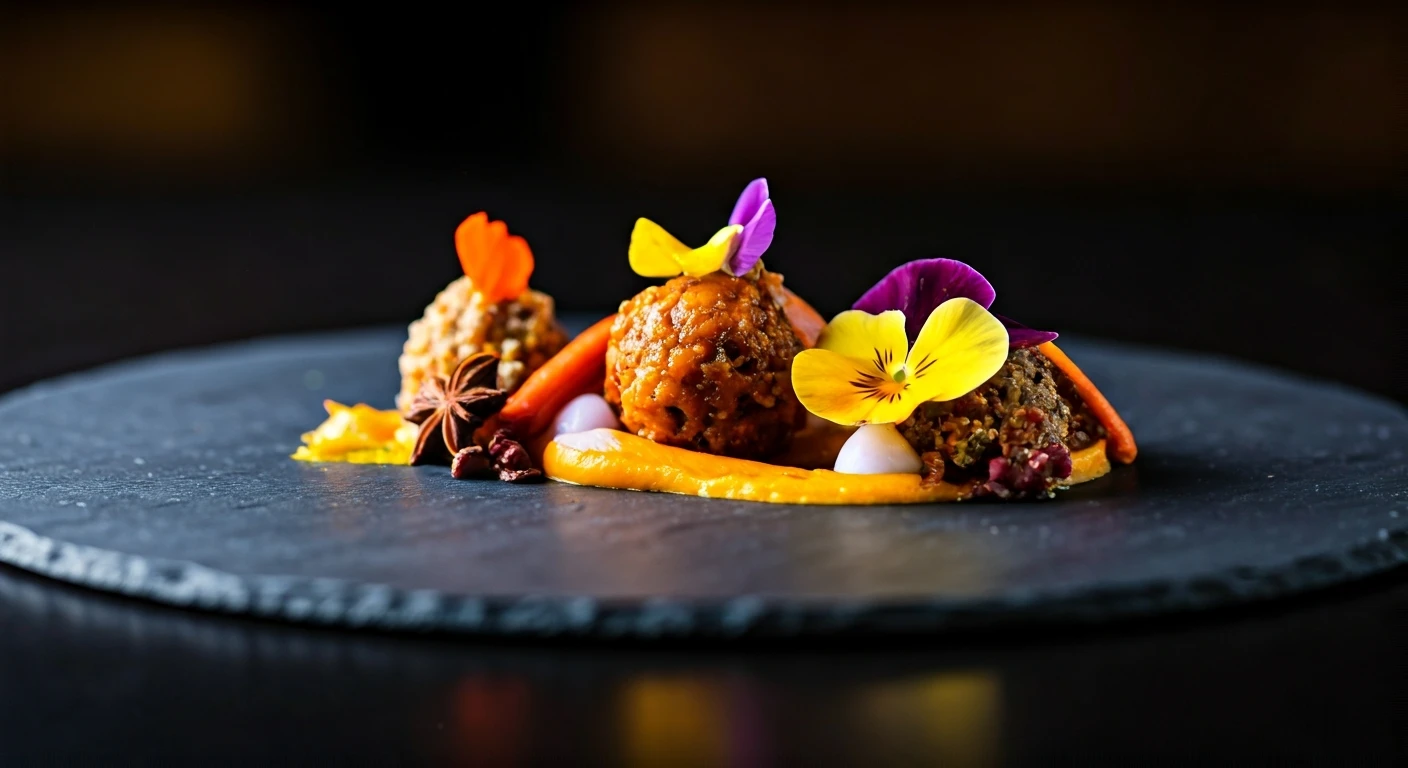
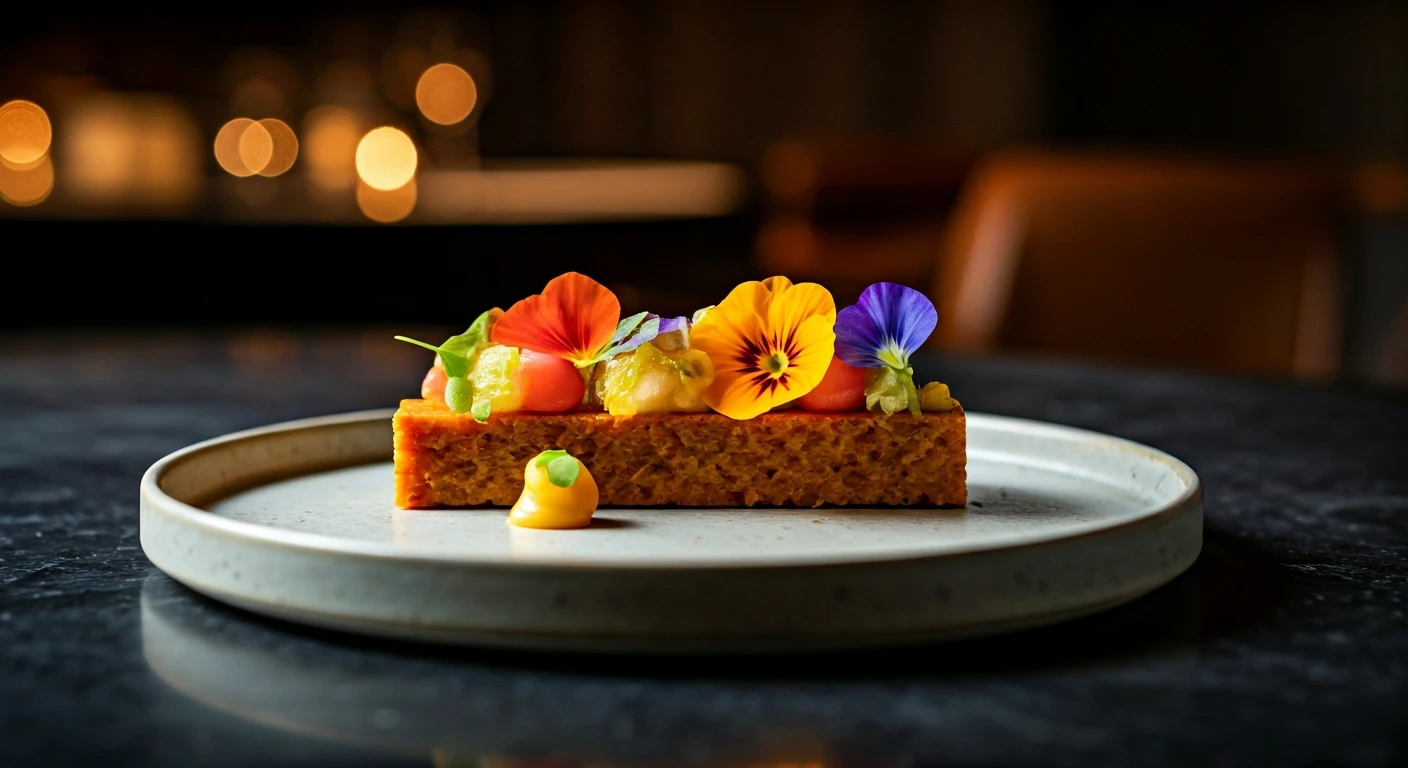
At first glance, limiting your pantry to what you can grow or find nearby seems like a major constraint. Can’t get lemons? You have to find another source of acid. A sudden cold snap ruins the baby greens? The menu has to change, instantly. But for the world’s most innovative chefs, this constraint is a powerful creative engine. When you can’t rely on a global supply chain that delivers any ingredient at any time, you’re forced to dig deeper into your local environment. Chefs become botanists and ecologists, discovering edible weeds, forgotten heirloom varietals, and novel ways to use every part of a plant. This philosophy forces a dynamic, ever-changing menu that is a true reflection of a specific time and place. A dish might feature a particular flower that bloomed for only one week, making the experience for that night’s diners utterly unique and unrepeatable.
The Taste of a Place
Wine lovers have long understood the concept of *terroir*—the idea that the soil, climate, and geography of a specific place impart a unique character to the grapes grown there. The hyperlocal movement applies this same principle to every single ingredient on the plate. A carrot grown in the restaurant’s own mineral-rich soil, watered by local rain, and harvested at its peak will taste different from any other carrot in the world. It carries the story of its micro-environment. This gives chefs the ability to craft a culinary narrative that is profoundly connected to their location. Dining at a place like Blue Hill at Stone Barns in New York isn't just about eating a good meal; it's about tasting the Hudson Valley. At SingleThread in California, the menu is a direct expression of the Sonoma County farm that supplies it. This creates an immersive experience that goes far beyond taste, connecting diners to the landscape itself.
An Expensive, Authentic Philosophy
It’s easy to be cynical and dismiss this as a marketing gimmick for restaurants that already charge a small fortune. And it’s true that maintaining a dedicated farm or employing a full-time forager is an expensive proposition that most establishments can't afford. But for the chefs and restaurateurs who are truly committed, it’s anything but a stunt. This model is often less efficient and far more labor-intensive than conventional sourcing. It requires immense planning, agricultural expertise, and the flexibility to deal with crop failures and unpredictable weather. Chefs take on this challenge not because it’s easy, but because they believe it’s the only way to achieve a certain level of quality and authenticity. It’s a costly, all-in bet on the idea that the ultimate luxury isn’t rarity or extravagance, but a perfect, unadulterated taste of something real and alive.