



The Anti-Backpacker Hub Vibe
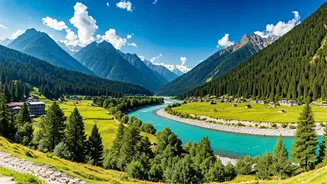
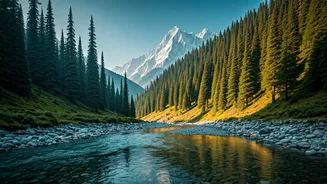
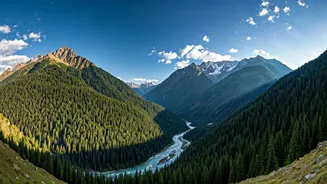
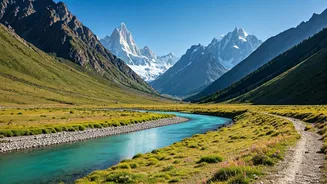
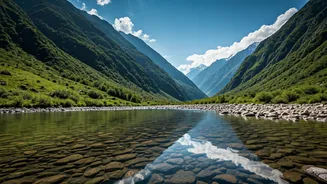
Imagine a mountain village where the loudest sound is the rushing Tirthan River, not a party hostel’s bass line. That’s Jibhi. Located in Himachal Pradesh’s serene Tirthan Valley, it has deliberately sidestepped the commercial chaos of its more famous
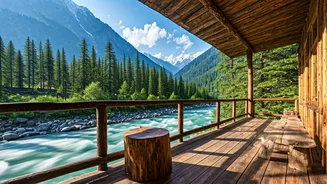
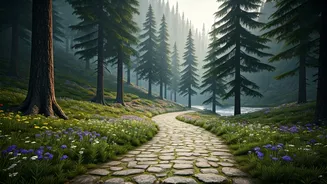
neighbors like Manali and Kasol. You won't find sprawling resorts or brand-name chains here. Instead, the landscape is dotted with charming wooden guesthouses and homestays, many built in the traditional Kath-Kuni architectural style with interlocking wood and stone. The 'calm' in Jibhi is immersive. It’s found in the crisp air scented with pine, the mornings spent sipping chai on a balcony overlooking a lush valley, and the afternoons reading a book in a riverside café. It’s a destination built for slowing down. For travelers accustomed to a frantic pace, Jibhi forces a gear shift. It’s less about checking off a list of sights and more about settling into a rhythm dictated by sunlight and the flow of the river.
Where Calm Meets Adventure
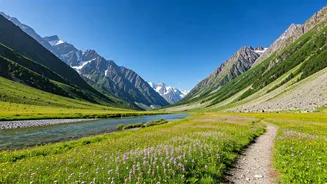
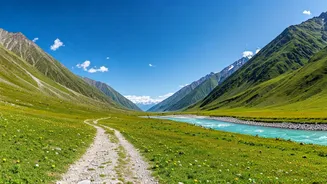
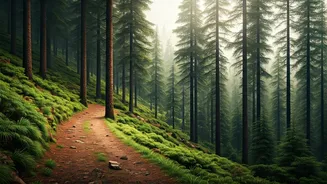
But 'slow' doesn't mean 'stagnant'. The reason Jibhi resonates so strongly with younger travelers is that its tranquility is paired with accessible, soul-stirring adventure. This isn't a place you go to simply do nothing—unless you want to. For everyone else, the surrounding hills are a natural playground. A classic day trip involves a winding, scenic drive up to Jalori Pass, a high-altitude mountain pass sitting at over 10,000 feet. From there, it's a relatively easy, incredibly rewarding hike through dense oak and rhododendron forests to Serolsar Lake, a pristine body of water held sacred by locals. Another must-see is the village of Chehni Kothi, home to a towering, centuries-old stone-and-wood fort that looks like something out of a fantasy novel. You can also try your hand at trout fishing in the Tirthan River or simply take on one of the countless unmarked trails that snake out from the village, leading to hidden waterfalls and stunning viewpoints. It’s activity without the pressure of an organized tour.
Stay, Eat, and Connect
Jibhi’s soul lies in its small-scale, locally-run establishments. Opting for a homestay is the best way to experience the region’s hospitality. Families often run these cozy homes, offering simple, clean rooms and delicious, home-cooked Himachali food. It’s an opportunity to connect with the place on a deeper level than a hotel would ever allow. The food scene is simple and satisfying. Small, rustic cafes line the river, serving everything from local dishes like Siddu (a steamed bread) to traveler comfort food like Maggi noodles, pancakes, and freshly caught trout. These cafes are the social heart of Jibhi, where you’ll find fellow travelers and locals exchanging stories over ginger-lemon-honey tea. There's no pretense; it's all about good food, great views, and genuine conversation. It's a low-cost, high-reward experience that feels a world away from the curated aesthetics of more popular destinations.
The Gateway to the Valley
Perhaps Jibhi’s greatest strength is its position as a gateway. It’s the perfect base camp for exploring the wider Tirthan Valley and the Great Himalayan National Park, a UNESCO World Heritage Site. You can spend a few days unwinding in Jibhi and then venture further to nearby villages like Gushaini or Nagini. Each offers a slightly different flavor of valley life but shares the same core DNA of peace and natural beauty. This makes Jibhi not just a destination but a starting point. It’s ideal for the traveler who wants a comfortable and scenic anchor but also desires the freedom to explore. You can plan an ambitious multi-day trek into the national park or just decide on a whim to hop on a local bus to the next village over. The infrastructure is there, but the itinerary is entirely up to you.