




Beyond the Smoothie Bowl
Let’s be honest: when you think of cooking with mango, your mind probably doesn’t jump to dinner. It’s the sweet, juicy, sunset-colored flesh of a ripe Ataulfo or Tommy Atkins mango, a flavor synonymous with vacation and sunshine. For decades, its role
in the U.S. kitchen has been typecast. But to confine the mango to sweetness is to ignore its incredible range. Across the globe, from the street food stalls of Mexico City to the kitchens of Mumbai and Bangkok, the mango has always played a dual role, celebrated for its savory potential as much as its sugary bliss. Now, American home cooks and chefs are finally catching on, discovering that the mango’s bright, acidic, and complex profile can be the secret weapon in everything from a spicy slaw to a glaze for grilled pork.
A Long-Held Global Secret
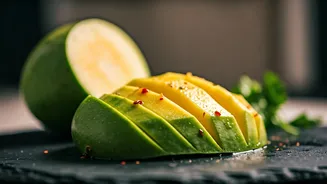
This isn't a new invention; it’s a long-overdue introduction. In much of the world, savory mango is simply… food. In Southeast Asia, particularly Thailand and Vietnam, shredded green (unripe) mango forms the base of crunchy, fiery salads, tossed with peanuts, chili, and fish sauce. Its crisp texture and mouth-puckering tartness provide a perfect counterpoint to rich or spicy elements. In India, dried green mango powder, known as *amchur*, is a pantry staple, used as a souring agent in curries, stews, and spice blends, lending a unique, tangy brightness to countless dishes. And throughout Latin America, slices of fresh mango are commonly sold as street snacks, dusted not with sugar, but with a stimulating mix of chili powder, salt, and lime juice—a flavor combination that perfectly balances sweet, spicy, salty, and sour.
The Green Mango Revelation
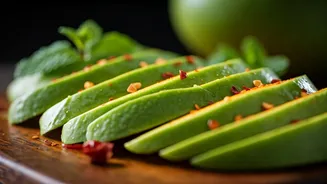
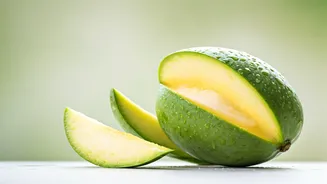
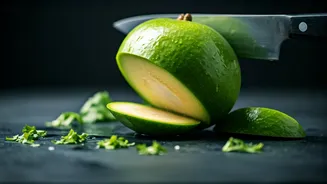
The key to unlocking much of the mango’s savory side is to think green. Unripe mangoes are a completely different ingredient from their soft, sweet counterparts. They are firm, even crunchy, with a tartness that’s closer to a Granny Smith apple or a lime than a ripe piece of fruit. This acidic punch is what makes them so versatile. A green mango slaw, with its crisp texture, can cut through the richness of fried fish tacos or pulled pork sandwiches. When pickled, it becomes a fantastic condiment, similar to Japanese *tsukemono* or Indian *achaar*, adding a pop of flavor to a simple bowl of rice or grilled meat. Finding green mangoes used to require a trip to a specialty international market, but they are increasingly appearing in mainstream grocery stores as demand grows.
Sweet Heat: The Ripe Mango's Role
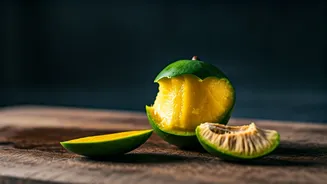
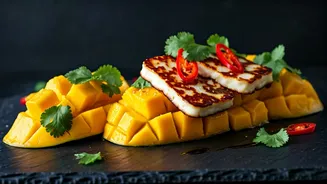
This isn’t to say ripe mangoes have no place in the savory world. Their natural sweetness makes them a phenomenal base for glazes, marinades, and sauces, especially in applications involving char and smoke. A mango-habanero glaze brushed onto chicken wings or pork ribs during the last few minutes of grilling creates a caramelized, sticky crust that’s utterly addictive. The fruit’s sugars balance the intense heat of the chili, creating a complex, layered flavor. Diced ripe mango is also the foundation of the now-ubiquitous mango salsa, a fresh, vibrant topping that elevates everything from grilled salmon to simple tortilla chips. The combination of sweet mango, sharp red onion, zesty lime juice, and fresh cilantro is a masterclass in flavor balance.
The New American Kitchen
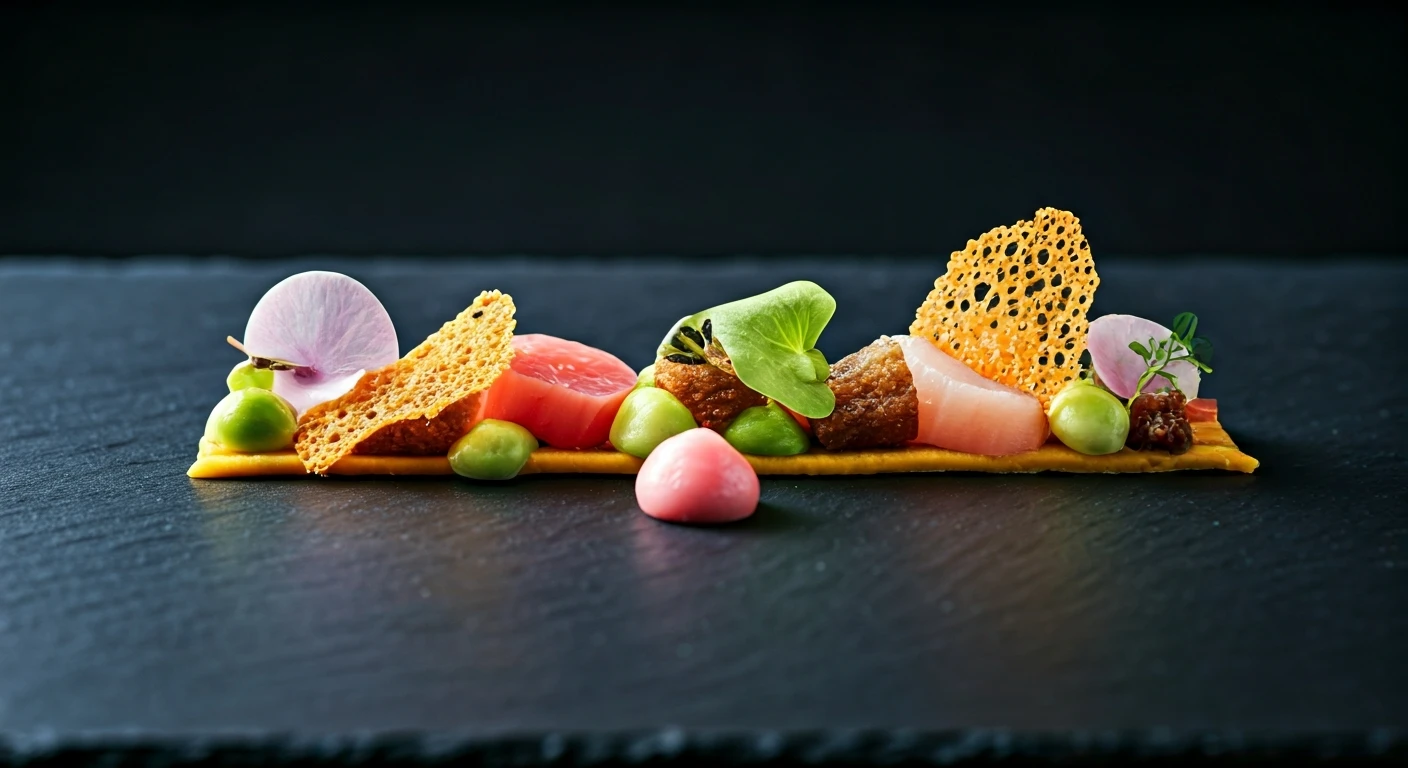
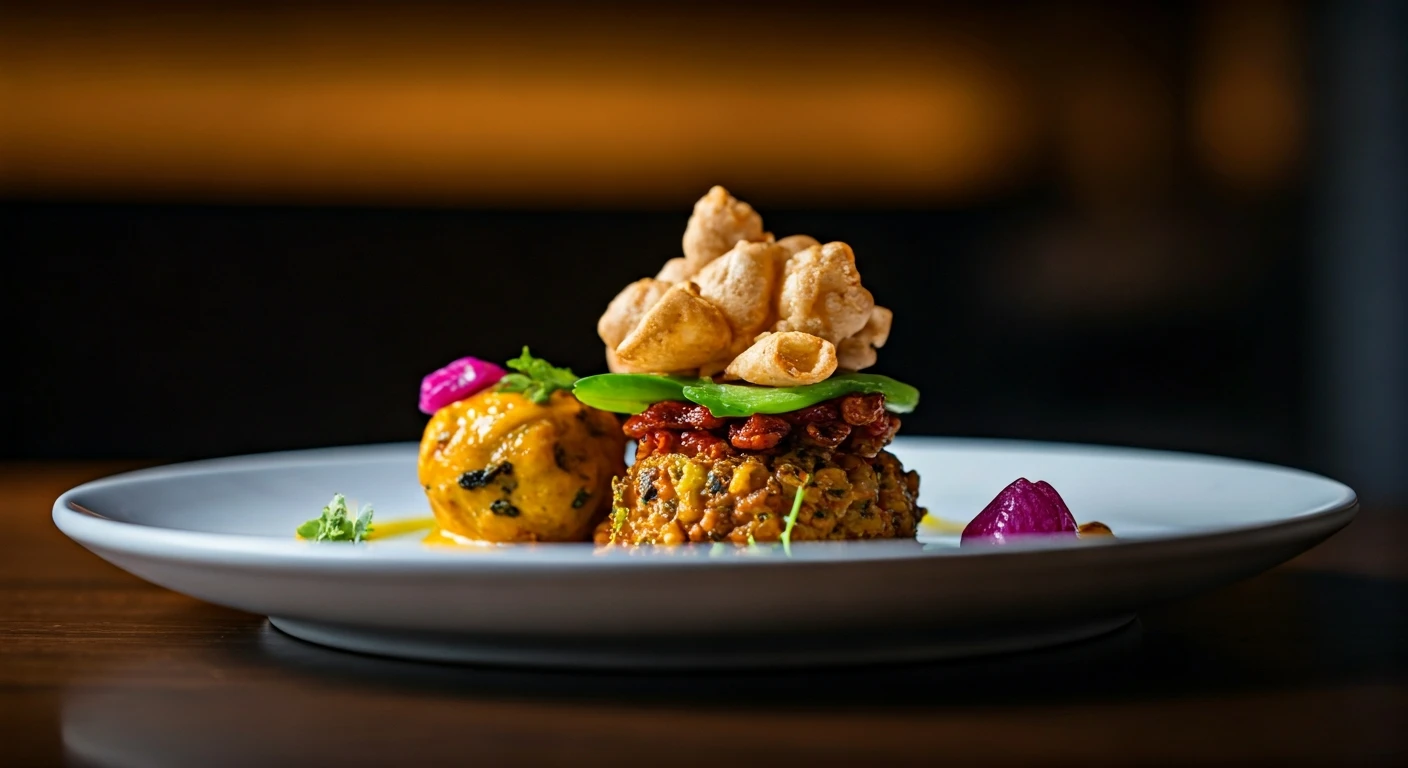
As American palates become more adventurous and global flavors more integrated, the line between “sweet” and “savory” ingredients is blurring. Chefs are leading the charge, using mango to create bright, acidic sauces for crudo, incorporating it into savory chutneys for cheese plates, and even blending it into vinaigrettes for salads. This trend reflects a broader culinary movement away from rigid categories and toward a more fluid, flavor-first approach to cooking. The mango is no longer just a tropical treat; it’s a dynamic, versatile ingredient that can bring brightness, acidity, and complexity to the entire menu.