


So, What Are We Talking About?
At its core, fermentation is controlled decay. It’s a metabolic process where microorganisms like bacteria and yeast convert carbohydrates—such as starches and sugars—into alcohol or acids. This not only preserves the food but also creates a host of B
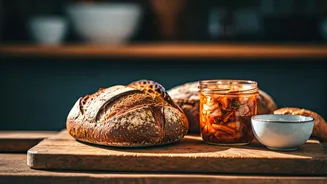
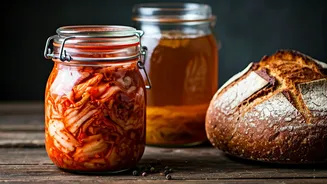
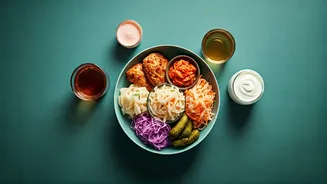
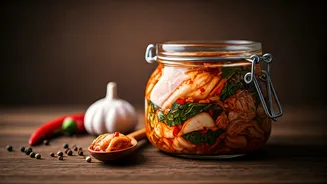
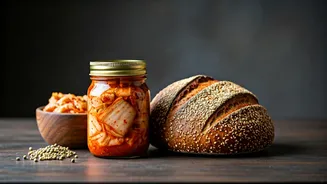
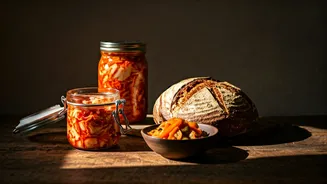
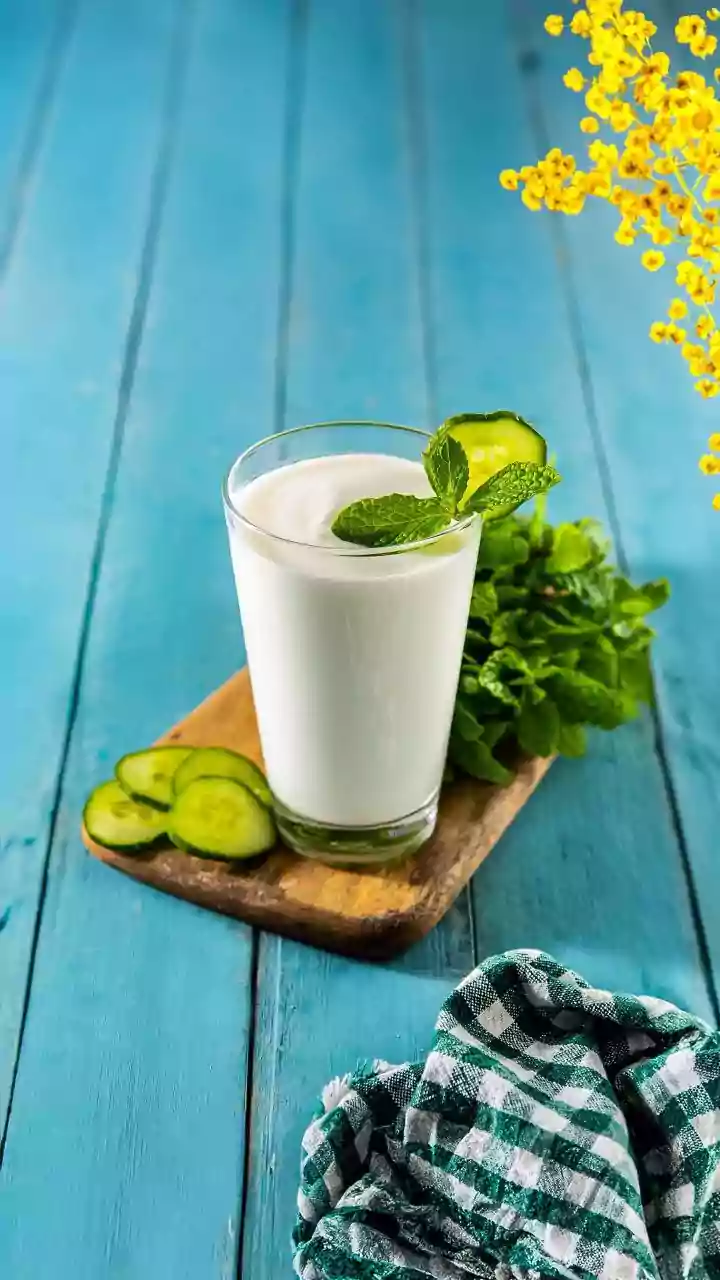
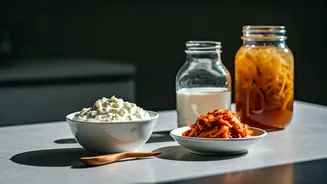
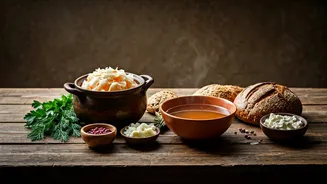
vitamins, beneficial enzymes, and various strains of probiotics. For our ancestors, it was a game-changer. Without refrigeration, fermenting vegetables, milk, and grains was one of the only ways to store food through long winters and prevent spoilage. It’s the magic behind cheese, yogurt, wine, and beer—staples of the human diet for millennia. Today, the trend goes far beyond those basics. Walk into any grocery store and you’ll see the evidence: shelves stocked with kimchi (spicy fermented cabbage), kefir (a tangy yogurt drink), kombucha (fermented tea), and miso (fermented soybean paste). The sourdough craze of 2020 was just the tip of the iceberg, reintroducing millions of Americans to the slow, living process of cultivating a starter to leaven bread. This isn't about rediscovering a single ingredient; it’s about re-embracing a fundamental technique that transforms food entirely.
A Gut Feeling About Health
A huge driver of this revival is the growing public obsession with gut health. The past decade has seen an explosion of research into the gut microbiome—the trillions of bacteria living in our digestive tract—and its profound impact on everything from our immune system and mood to our metabolism. The message has sunk in: a healthy gut is foundational to overall wellness. Fermented foods are a primary source of probiotics, the “good” bacteria that help maintain a healthy gut environment. While you can get probiotics from a pill, many experts and nutritionists suggest that getting them from whole foods is more effective. The live cultures in foods like kimchi, sauerkraut, and kefir can help diversify your gut flora, potentially aiding digestion and supporting immune function. It’s a powerful narrative in an era when many modern, highly processed diets are notoriously low in the fiber and beneficial microbes our bodies evolved to expect. For many, eating fermented foods feels like an active, natural way to push back against the negative effects of modern eating.
It's All About the Flavor
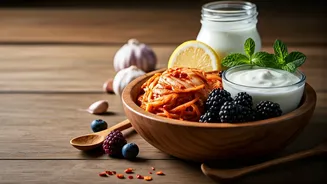
But let's be clear: this isn't just about health. Fermentation is, above all, a culinary superpower. It creates flavors you simply can’t get any other way. The process unlocks a world of complexity, adding sour, funky, and deeply savory (umami) notes. Think about the sharp tang of a good pickle, the rich depth of soy sauce, or the subtle sourness that makes a slice of sourdough so much more interesting than plain white bread. Chefs at top restaurants have been championing these complex flavors for years, using house-made ferments to add an unexpected dimension to their dishes. Now, home cooks are catching on. A dollop of miso can transform a simple soup, a side of kimchi can electrify a bowl of rice, and a splash of kombucha can serve as a sophisticated, non-alcoholic alternative to a cocktail. This trend is a rejection of blandness. It’s a movement toward food that is alive, dynamic, and packed with character.
A Search for Connection
Beyond the gut and the taste buds, there’s a deeper, more psychological reason for fermentation’s return. In our digital, fast-paced world, many people crave tangible, hands-on activities that connect them to the physical world. Making your own sauerkraut or tending to a sourdough starter is a slow, grounding process. It requires patience and observation. You’re not just following a recipe; you’re collaborating with a living culture. This act of creation fosters a sense of self-sufficiency and a connection to tradition. It links us to our great-grandparents and to cultures around the globe who have been perfecting these techniques for centuries. In an age of sterile packaging and instant gratification, the slightly unpredictable, beautifully imperfect process of fermentation feels authentic and meaningful. It’s a small act of rebellion against a food system that has become increasingly distant and industrialized.