




The Small-Yard Workhorse: Tumblers and Bins
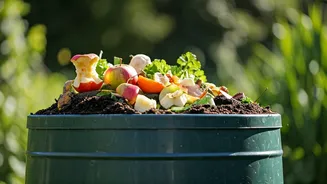
For those with a small patch of grass, a patio, or a sliver of a side yard, the classic compost bin has gone compact. Forget sprawling, unsightly piles. Modern urban composting often involves sealed tumblers or aesthetically designed stationary bins that
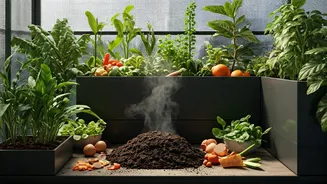
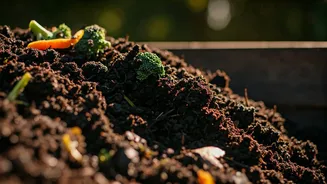
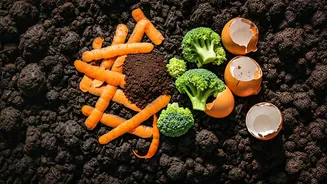
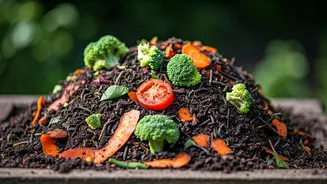
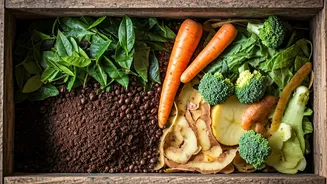
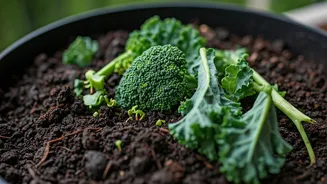
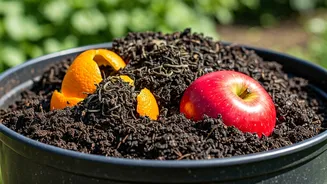
fit neatly into a corner. The principle is timeless: layering your 'greens' (nitrogen-rich materials like fruit and vegetable scraps, coffee grounds, and grass clippings) with 'browns' (carbon-rich materials like dried leaves, shredded cardboard, and paper). These contained systems helpfully manage moisture and heat, accelerating the decomposition process while keeping pests out. A compost tumbler, which can be rotated with a crank, makes the essential task of aerating the pile simple and clean. Within a few months, this balanced diet of kitchen and yard waste breaks down into a dark, crumbly, nutrient-dense humus that plants adore. It’s a straightforward method for turning a significant portion of your household trash into a powerful soil amendment.
The Indoor Solution: Vermicomposting
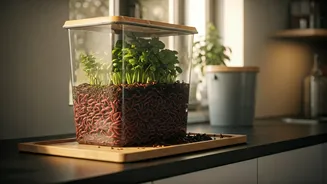
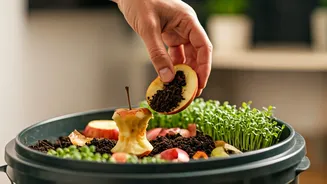
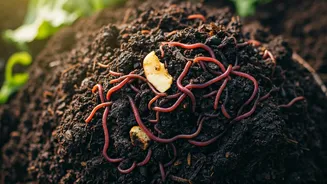
No yard? No problem. Vermicomposting, or worm composting, is the apartment-dweller’s secret weapon. This method uses a special bin and a population of red wiggler worms to process food scraps right in your kitchen, closet, or balcony. Contrary to what you might think, a well-managed worm bin is completely odorless, compact, and requires minimal maintenance. The worms do all the heavy lifting, munching through fruit and veggie peels, tea bags, and eggshells. They transform this waste into 'worm castings'—a polite term for worm manure, which is one of the most coveted fertilizers in the gardening world. These castings are packed with minerals and beneficial microbes that dramatically improve soil structure and boost plant growth. It’s a fascinating, self-contained ecosystem that produces a steady supply of ultra-rich fertilizer, proving you don’t need outdoor space to create gardening gold.
The Speedy Alternative: The Bokashi Method
If patience isn’t your virtue, the Bokashi method might be your answer. Originating in Japan, Bokashi isn't technically composting but rather a fermentation process. It uses a specialized airtight bucket and a 'Bokashi bran'—a mix of bran or sawdust inoculated with beneficial microbes. You simply layer your food scraps in the bucket, sprinkle on the bran, and seal the lid. The major advantage of Bokashi is its speed and versatility. The fermentation process takes only a couple of weeks, and it can handle materials traditional composting can’t, including meat, dairy, and oily foods. After fermenting, the resulting 'pre-compost' needs to be buried in garden soil or a larger compost pile to fully break down. It also produces a nutrient-rich 'tea' that can be diluted and used as a liquid fertilizer. For those looking for a quick, no-fuss way to process all their kitchen waste, Bokashi is a game-changer.
The Real Payoff: Defining 'Garden Wealth'
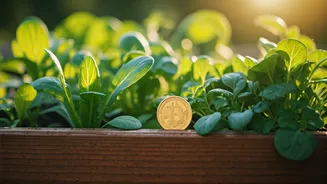
So, what exactly is this 'garden wealth'? It’s a multifaceted return on a minimal investment of time and effort. First, there’s the financial wealth: you save significant money on bagged topsoil, compost, and chemical fertilizers. Second is the ecological wealth: according to the EPA, food scraps and yard waste make up over 30% of what we throw away. Composting diverts this from landfills, where it would otherwise produce methane, a potent greenhouse gas. Then there’s the horticultural wealth. Compost-enriched soil holds moisture better, reduces the need for watering, and provides a slow-release source of essential nutrients, leading to healthier, more resilient plants and more delicious, nutrient-dense vegetables. Finally, there's the personal wealth—the deep satisfaction of closing the loop, reducing your environmental footprint, and transforming something you once considered trash into the very foundation of a thriving, living garden.