


Beyond Khaki and Canvas
The great escape into nature is undergoing a profound transformation. The old model, which often pitted comfort against authenticity, is being replaced by a philosophy that sees no contradiction between the two. The 'stylish upgrade' isn't about gaudy
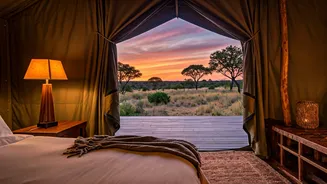
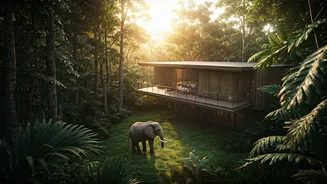
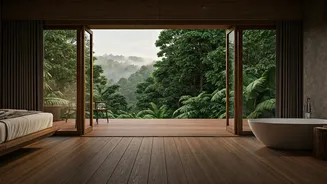
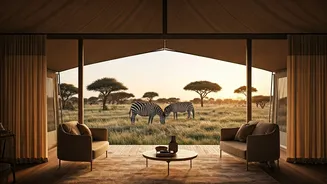
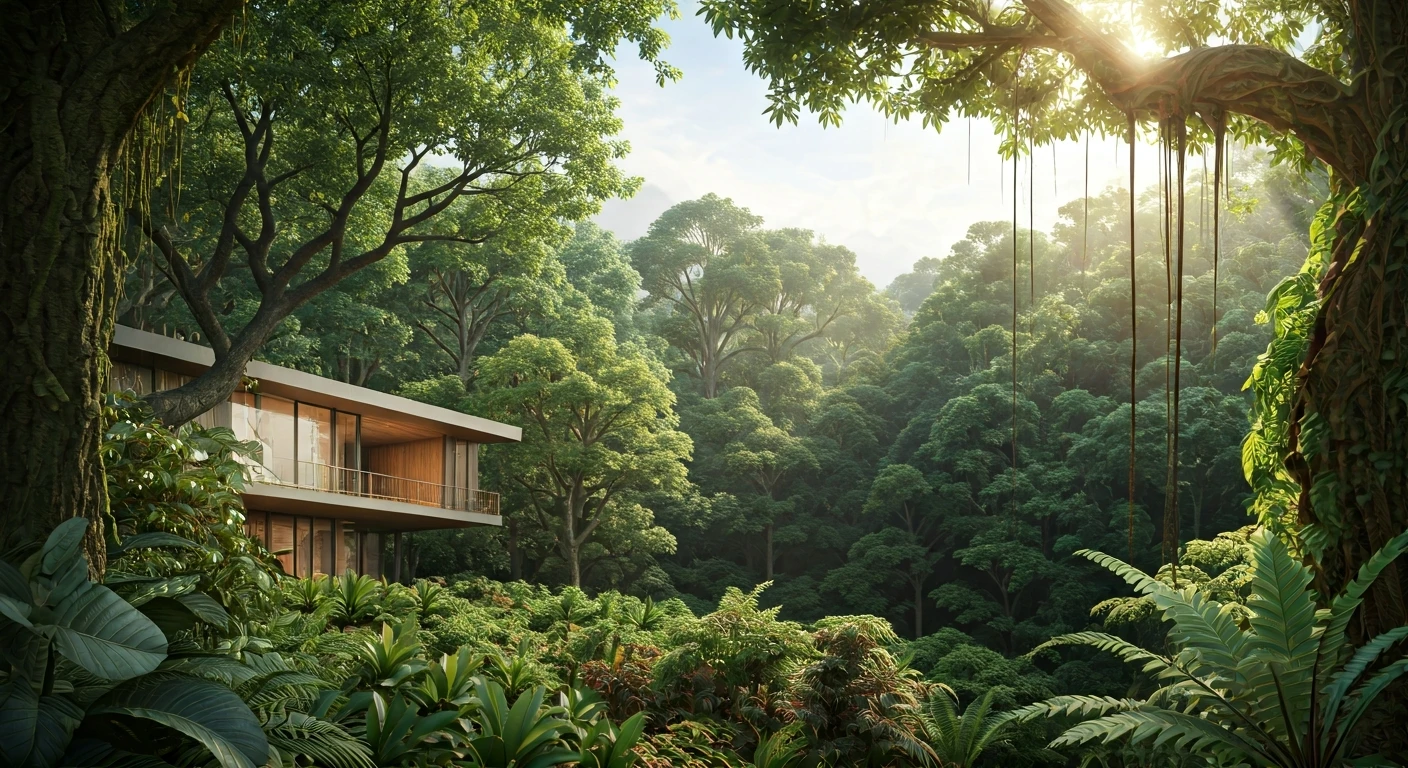
opulence dropped into the jungle; it's a movement towards thoughtful, design-forward hospitality that enhances, rather than distracts from, the surrounding wilderness. Think less about gilded faucets and more about floor-to-ceiling glass walls that frame a passing herd of elephants, infinity pools that bleed into the savanna, and architecture that borrows its lines and materials from the landscape itself. This new paradigm is built on the idea that true luxury isn't about escaping the environment, but immersing yourself in it more deeply, comfortably, and sustainably than ever before.
Architecture as a Wildlife Hide
At the heart of this trend is a new role for architecture. Instead of being a mere shelter, the modern lodge is an active participant in the wildlife experience. In Costa Rica, Nayara Tented Camp features luxury tents perched on a hillside, each with a private plunge pool fed by natural springs and an unobstructed view of the Arenal Volcano—and the sloths that inhabit the surrounding trees. In Canada, the Fogo Island Inn stands on stilts, a stark, modernist form against the dramatic North Atlantic coast, designed to minimize its impact on the delicate lichen and provide jaw-dropping views of caribou herds and breaching whales from every room. These aren't just buildings; they are state-of-the-art wildlife hides, designed to blur the line between indoors and out. The goal is to make the act of simply being in your room a safari in itself.
Where Luxury Funds Conservation
Perhaps the most significant part of this evolution is the powerful link between high-end tourism and high-impact conservation. This isn't just about hotels asking you to reuse your towels. Premier operators like Singita and andBeyond, with properties across Africa, use a high-yield, low-volume tourism model. The premium prices paid by a small number of guests directly fund massive conservation projects, anti-poaching units, and community development initiatives. For example, andBeyond has successfully translocated hundreds of rhinos to create new, genetically diverse populations in safe havens. Singita’s non-profit partners help run everything from early childhood education centers to chef schools for local communities. This creates a virtuous cycle: the pristine nature guests pay to see is kept pristine precisely because they are paying for it, providing a powerful economic alternative to poaching or habitat destruction.
Redefining the Experience Itself
The stylish upgrade extends far beyond the physical structures. The experience of the trip itself has been re-engineered for a new generation of travelers who crave both adventure and refinement. The dusty, crowded group tour is being replaced by private, expert-led excursions tailored to individual interests, whether that's tracking a specific leopard or learning the medicinal uses of local plants. The campfire meal of canned beans has been elevated to multi-course, farm-to-table dining, with chefs creating menus based on ingredients sourced from the lodge’s own organic garden or nearby communities. After a day of exploration, wellness treatments—from massages in an open-air spa overlooking a river to yoga sessions on a private deck—help guests connect with the tranquility of their surroundings. It's a holistic approach that engages all the senses, ensuring the memories made are about more than just a checklist of animal sightings.