







From Internet Slang to Pet Store Aisles
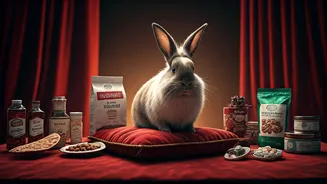
If you’ve missed the memo, “bunny mode” is the antithesis of hustle culture. It’s about being cozy, catered-to, and living a soft, stress-free life, much like a well-loved house rabbit. The term bubbled up from social media as a descriptor for a desired
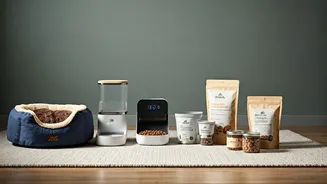
human state of being, but its most perfect application has been in the world of our four-legged companions. And businesses have noticed. The modern pet aisle isn't just stocked with kibble and squeaky toys; it’s a landscape of orthopedic memory foam beds, anxiety-reducing thunder shirts, and gourmet, subscription-box meals with ingredients you can actually pronounce. Pet care has evolved from a matter of basic needs to a curated experience of maximum comfort. We aren't just pet owners anymore; we're lifestyle curators for a very small, very furry clientele.
The Humanization of the Household Pet
So, what’s driving this shift from a bowl of dry food in the corner to artisanal broths and designer strollers? At its core is the profound humanization of pets. For many Millennials and Gen Zers, who are often delaying marriage and children, pets have become de facto firstborns. They’re “fur babies” or “paw-rents,” not just masters or owners. This emotional reframing changes the entire calculus of care. When your dog is your child, of course he needs a birthday party with a dog-friendly cake. When your cat is your best friend, of course she needs a multi-level “catio” to safely enjoy the outdoors. The American Pet Products Association (APPA) reports that Americans spent over $136 billion on their pets in 2022, a figure that continues to climb. We’re not just buying things; we’re investing in their happiness and well-being as if it were our own.
Wellness Hits the Water Bowl
This trend goes far beyond mere material spoiling. The modern wellness movement that has consumed human culture has officially made the leap to our pets. It’s no longer enough for a pet to be fed; they must be *nourished*. This means organic, grain-free diets, supplements for joint health, and CBD oil for anxiety. Veterinary care has expanded to include services once reserved for humans: physical therapy, acupuncture, and even behavioral counseling. A dog’s persistent barking is no longer just an annoyance; it’s a symptom of underlying anxiety that needs to be addressed with patience and professional help. We track their activity with smart collars, monitor them with pet cams, and engage automated laser pointers to ensure they’re getting enough mental stimulation while we’re at work. In bunny mode, a pet’s mental and physical health is a top-tier priority.
A Search for Comfort and Control
Ultimately, the rise of pet-centric bunny mode may say more about us than it does about them. In a world that feels increasingly chaotic and uncertain, our pets offer a source of unconditional love and simple joys. Pampering them is an act of control—we can’t solve global crises, but we can ensure our Corgi is living his absolute best life. After years of pandemic-induced isolation, our bonds with our animals have deepened, and our homes have become sanctuaries. Creating a perfect, comfortable, and safe world for our pets is, in a way, creating that world for ourselves. They might not know the difference between a standard-issue bed and a temperature-regulating memory foam lounger, but seeing them blissfully asleep in it makes *us* feel better. It’s a tangible, achievable way to nurture and to receive uncomplicated affection in return.