





The Pandemic Puppy Payoff
The story begins with the pandemic. Stuck at home, millions of Americans adopted a pet for companionship. The American Pet Products Association reports that the percentage of U.S. households owning a pet jumped significantly, with an estimated 23 million families
getting a new dog or cat during the COVID-19 crisis. As lockdowns lifted and travel roared back to life, these new owners faced a dilemma. They weren't just pet owners; they were 'pet parents' who had spent months bonding deeply with their animals. The thought of leaving them in a kennel felt like leaving a family member behind. This cultural shift, where pets are fully integrated into the family unit, directly collided with the pent-up demand for travel. Suddenly, the question wasn't *if* they could bring their pet, but *where* they could go together. Hotels that had long ignored or merely tolerated pets were suddenly missing out on a massive, motivated, and free-spending customer base.
It’s Good for Business
For the hotel industry, leaning into the pet-friendly trend is proving to be a brilliant financial move. It's a simple case of supply and demand. With so many travelers now searching exclusively for accommodations that welcome pets, hotels that offer this service gain a significant competitive advantage. Data from major booking platforms consistently shows that searches including a “pet-friendly” filter have skyrocketed. But the benefits go beyond just filling rooms that might otherwise sit empty. Hotels can charge nightly pet fees or a one-time cleaning fee, which often range from $25 to over $100. Since the incremental cost of hosting a well-behaved pet is minimal, these fees represent an almost pure-profit revenue stream. Furthermore, studies suggest that pet owners are often more responsible guests, conscious of the privilege of bringing their animal, and are more likely to become loyal, repeat customers to a hotel that treats their companion well. In a competitive market, appealing to this demographic is no longer a niche strategy—it’s a core component of maximizing revenue.
Beyond the Water Bowl
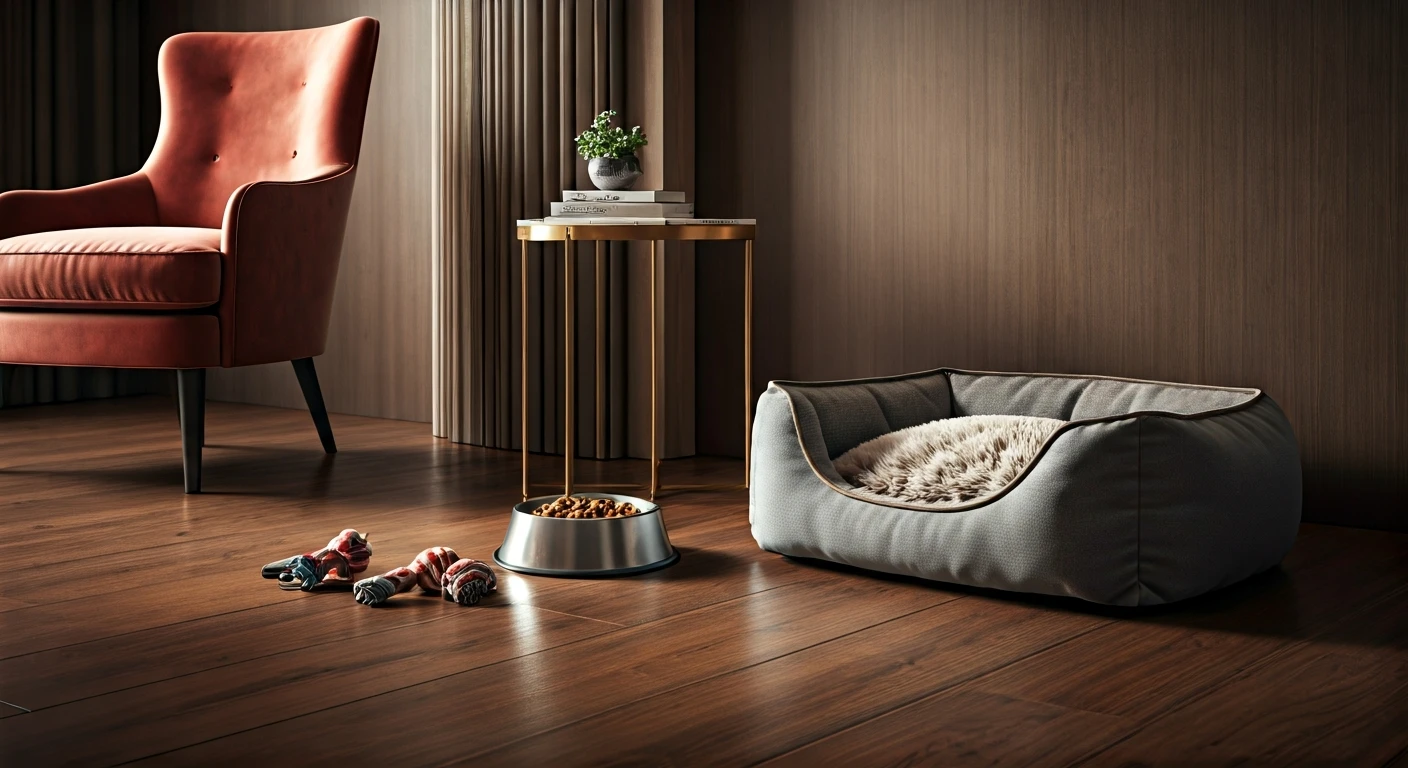
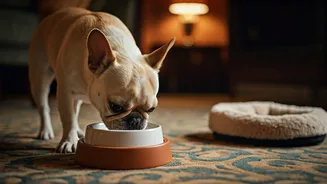
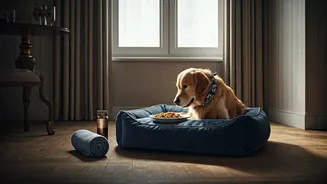
The game has changed from 'pets allowed' to 'pets pampered.' The most successful hotels aren't just tolerating pets; they are actively marketing to them. The old standard of a designated 'pet-friendly' room down the hall from the ice machine is gone. In its place are robust amenity packages that make pets feel like VIPs (Very Important Pooches). Chains like Kimpton, a pioneer in this space, have long offered pet beds, food and water bowls, and a list of local pet-friendly parks and restaurants. Now, luxury properties are upping the ante. It’s not uncommon to find hotels offering custom pet menus with options like salmon and rice, 'yappy hour' events with canine-friendly cocktails, dedicated pet concierges who can book grooming appointments or dog-walking services, and even welcome packages with toys and organic treats. This isn't just about hospitality; it's about creating an experience that pet owners will eagerly share on social media, generating valuable word-of-mouth marketing for the hotel.
Navigating the New Pet-iquette
This shift impacts all travelers. For pet owners, it means more freedom, but also more responsibility. It’s crucial to read the fine print. 'Pet-friendly' can mean very different things: some hotels have weight or breed restrictions, while others limit the number of pets per room. Always declare your pet during booking to avoid surprises, and be prepared for the associated fees. For guests traveling without pets, this trend has also led to positive changes. To accommodate guests with allergies or aversions, many hotels are now designating entire floors as either pet-friendly or strictly pet-free. This segmentation allows hotels to cater to both markets effectively, minimizing potential conflicts and ensuring everyone has a comfortable stay. When in doubt, a quick call to the front desk can clarify the hotel's specific policies and help you find the right fit, whether you’re traveling with your four-legged best friend or hoping to avoid them.