





From Landmarks to Lived Moments
For decades, the Indian travel dream was straightforward and often communal. It involved piling into a car or train with extended family for a pilgrimage, a wedding, or a trip to a famous monument like the Taj Mahal or the Gateway of India. The goal was to see
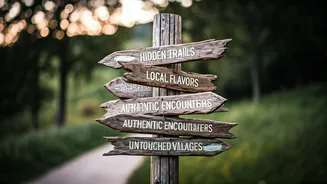
the sight, take the photo, and check the box. Success was measured in destinations visited. Today, for India’s upwardly mobile Millennials and Gen Z, that model feels antiquated. They aren't just looking for a destination; they’re seeking a transformation. The new currency isn't the landmark itself, but the unique, personal, and often shareable experience had there. It’s the difference between taking a photo *of* the Himalayas and taking a week-long solo trek *through* them. This shift is profound, moving the focus from passive sightseeing to active participation. The new wishlist includes learning to surf in Goa, attending a silent meditation retreat in a remote ashram, or mastering a regional cuisine in a homestay kitchen.
The Drivers: A Perfect Digital and Economic Storm
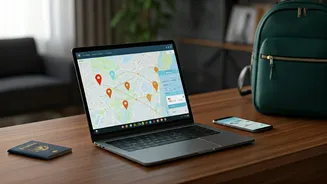
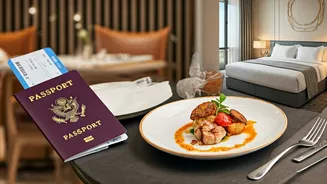
This travel revolution didn't happen in a vacuum. It’s the result of several powerful forces converging at once. First, India's economic growth has created a burgeoning middle class with disposable income for the first time in generations. Young professionals in cities like Bangalore, Mumbai, and Delhi have money to spend, and they’re choosing to spend it on experiences rather than just material goods. Second, the digital explosion has completely changed the game. With some of the cheapest mobile data on the planet, young Indians are constantly connected. Instagram, YouTube, and travel blogs have become the new guidebooks, showcasing a world of possibilities far beyond the traditional tourist trail. An influencer’s post from a secluded coffee plantation in Coorg or a vlogger’s motorcycle diary from Ladakh carries more weight than any government tourism brochure. This digital influence has fueled a desire for authenticity and aesthetics, creating a feedback loop where travel is both inspired by and performed for a social media audience. Finally, a boom in budget airlines and tech-savvy travel startups has made it easier and cheaper than ever to plan complex, multi-stop, or niche-interest trips without a traditional agent.
What the New Wishlist Looks Like
So, what are these coveted new experiences? Solo travel is arguably the biggest trend, particularly for young women, who are challenging deep-seated cultural norms to explore independently. This is a powerful statement of personal freedom and self-reliance. Adventure tourism is another huge draw. Activities like scuba diving in the Andaman Islands, paragliding in Himachal Pradesh, and white-water rafting in Rishikesh are booming. These aren’t just thrills; they’re seen as character-building exercises. The concept of the “workation” has also exploded, as remote work allows digital natives to trade their city apartments for a beachside villa or a mountain cabin for weeks at a time. Wellness and spiritual tourism have been given a modern makeover, too. It’s less about rigid religious observance and more about personal well-being, with yoga retreats, Ayurvedic treatments, and digital detox camps gaining immense popularity. These trips are seen as an investment in mental and physical health, a necessary antidote to the pressures of modern urban life.
More Than Just a Vacation
Ultimately, this shift in travel habits is a story about identity. For many young Indians, these journeys are a way to discover and define who they are, away from the expectations of family and society. In a country where collective identity has often taken precedence, travel offers a rare space for individualism. Each trip is a chapter in a personal narrative being built in real-time, one hike, one meal, one solo train ride at a time. It’s a form of self-expression, a signal of one’s values: curiosity, independence, and an appetite for a life fully lived. This isn’t just about escaping a routine; it’s about actively constructing a more interesting one. By prioritizing experiences, this generation is signaling that the best stories aren't things you buy, but things you do.