





More Than Just a Flower Crown
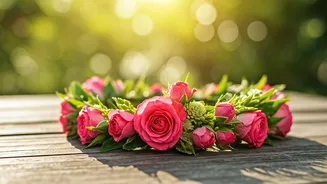
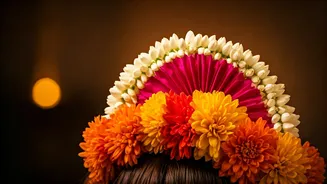
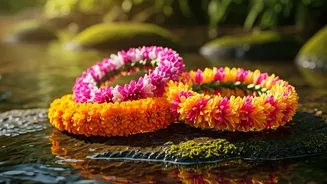
Your Instagram feed might show you the stunning aesthetics—radiant smiles framed by intricate crowns of fresh flowers and leaves, known locally as ‘kopels.’ But São João, celebrated annually on June 24th, is far more than just a photo op. It’s a centuries-old
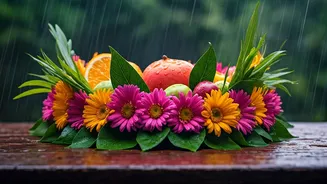
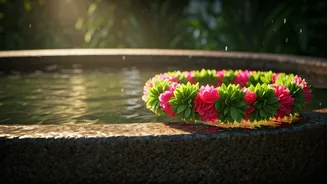
Catholic festival honoring the birth of St. John the Baptist. The story goes that when Mary told her cousin Elizabeth that she was pregnant with Jesus, the infant John leaped for joy in Elizabeth’s womb. The festival is a vibrant, full-bodied reenactment of that singular moment of elation. The kopels, woven from seasonal wildflowers, fruits, and leaves, are a symbol of new life and the bountiful nature that the monsoon awakens in Goa. It's a celebration deeply connected to both faith and the natural world, worn by men, women, and children alike as a badge of festive participation.
A Festival of Joyful Leaps
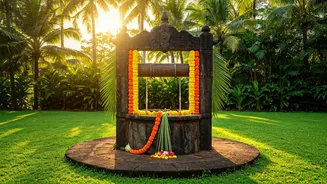
The centerpiece of São João is a tradition that feels both thrilling and wonderfully eccentric: jumping into wells. Throughout the villages of North Goa, particularly in places like Siolim and Aldona, groups of revelers roam the streets, singing traditional songs called ‘mandos.’ When they reach a house with a well, the men—often fueled by sips of feni, a local cashew or coconut spirit—take a running leap into the cool, dark water below. This act symbolizes St. John’s leap of joy. It’s a cathartic, communal ritual that bonds neighbors and families. In recent years, public pools and streams have also become popular spots for the celebratory plunge, making the tradition more accessible. Watching this unfold is to witness pure, unadulterated glee, a world away from a curated wellness retreat. It’s raw, real, and utterly captivating.
The Sights, Sounds, and Tastes
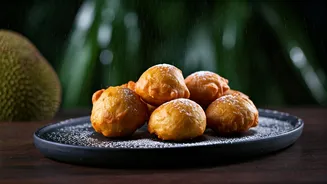
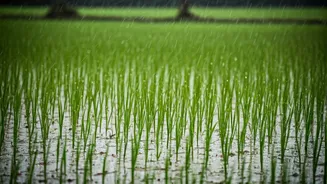
São João is a full-sensory experience. The air is thick with the scent of wet earth and jasmine. The soundtrack is a mix of Konkani folk songs, shouts of “Viva São João!,” and the constant splash of water. In some villages, like Siolim, the festival includes a magnificent parade of decorated boats floating down the river, each one a unique, thematic float created by the local community. The feast is just as important. This is the season for sweet, juicy jackfruit, mangoes, and pineapples, which are shared freely among revelers. Families prepare platters of traditional Goan sweets like ‘patoleo’ (steamed rice cakes stuffed with coconut and jaggery, wrapped in turmeric leaves) and ‘sanna’ (spongy steamed rice cakes). It’s a celebration of community where food and drink are instruments of connection, offered generously to friends and strangers.
Tradition Meets the Instagram Age
It’s no surprise that a festival this visually stunning has captured the attention of the world. The hashtag #SaoJoao floods social media every June with images of vibrant kopels and joyous celebrations, turning a local Goan tradition into global travel inspiration. This newfound fame has brought a fresh energy, with organized pool parties and ticketed events popping up alongside the organic village festivities. While this offers more ways for travelers to participate, the true spirit of São João still lives in the narrow lanes of Goan villages. For visitors, the key is to be a respectful participant, not just a content creator. Buy a kopel from a local vendor, learn a few words of a song, and embrace the spontaneous joy of the day. It’s an opportunity to connect with a living culture that has graciously opened its doors to the world.