


More Than Just a Meal
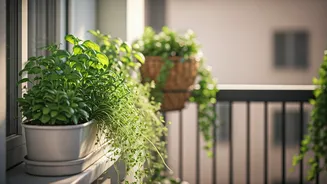
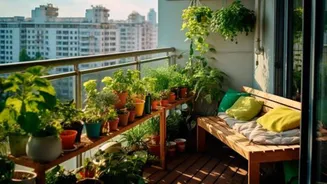
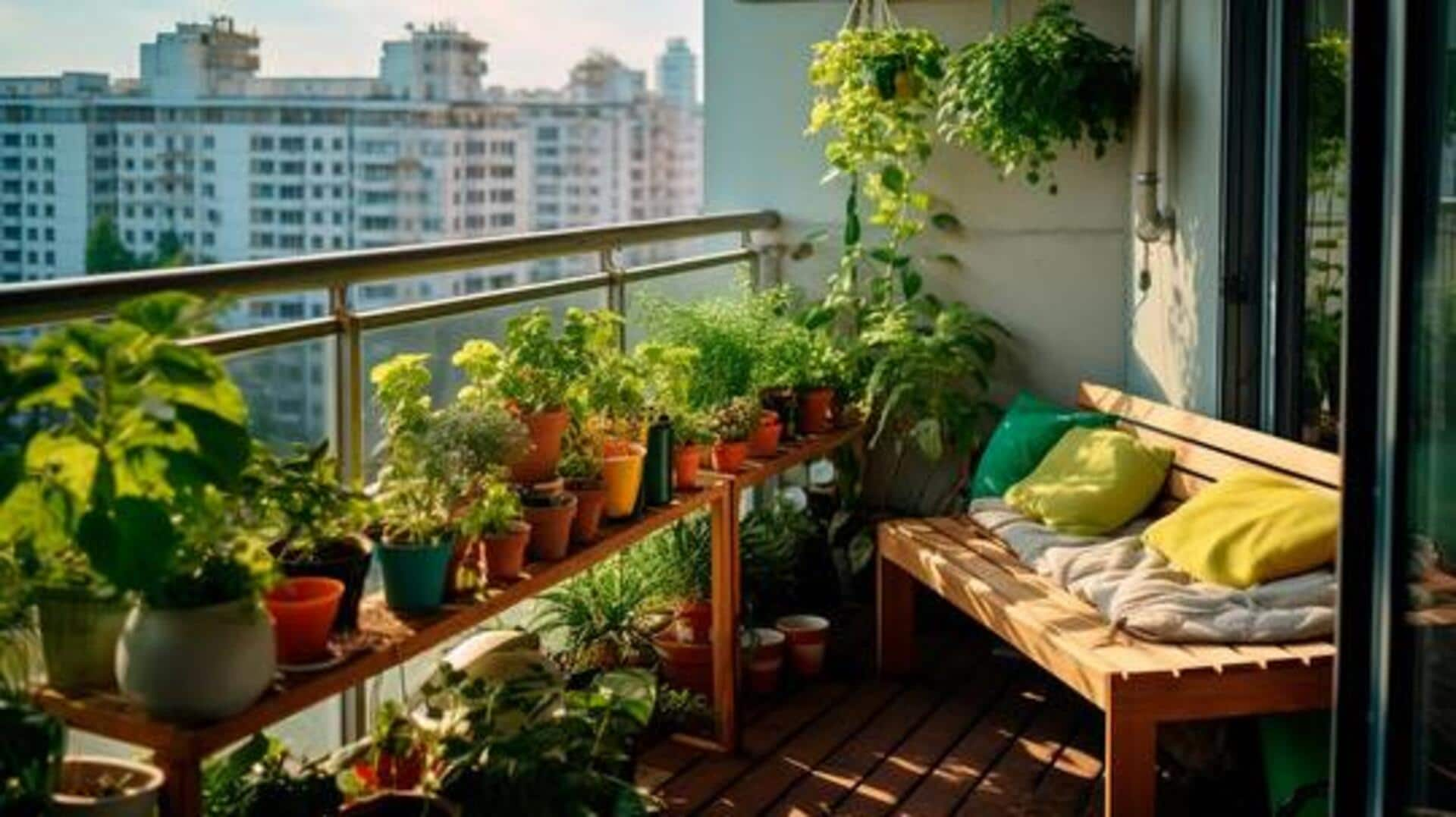
The appeal of a balcony garden goes far beyond a simple lunch. In a world of shrink-wrapped produce and cross-country shipping, cultivating your own greens is a powerful act of connection. It’s a connection to your food, to the seasons, and to a small
patch of nature amidst the concrete and steel. Food lovers report that the flavor of just-picked lettuce or arugula is shockingly superior—crisper, more peppery, and more alive than anything that’s spent a week in transit. But the benefits are also psychological. The daily ritual of checking your plants, watering the soil, and watching leaves unfurl provides a moment of mindfulness. It’s a tangible, rewarding project that offers a welcome respite from screen time and the relentless pace of city living. For many, that daily five minutes of green-thumb therapy is as nourishing as the harvest itself.
Your First-Round Draft Picks
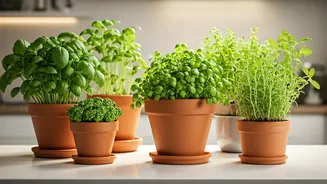
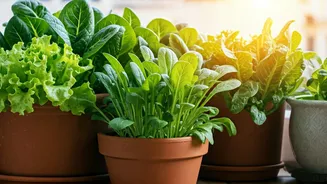
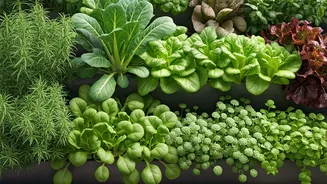
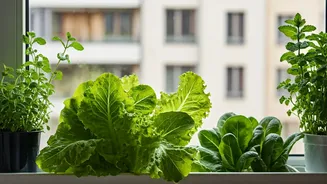
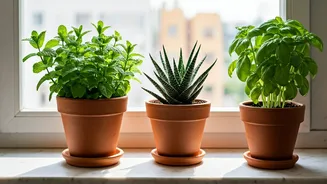
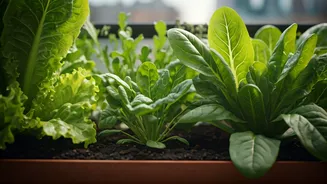
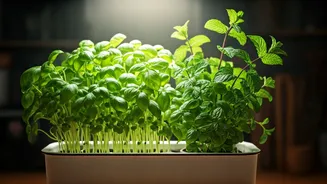
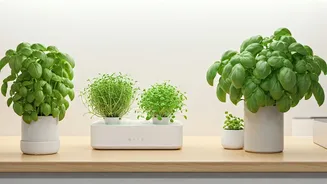
The key to a successful and satisfying balcony garden is starting with the right players. You want resilient, fast-growing plants that don’t demand a sprawling field to thrive. For salads, you’re in luck. * **Loose-leaf Lettuces:** Varieties like 'Black Seed Simpson' or 'Red Sails' are perfect. Instead of forming a dense head, their leaves grow in a loose rosette, allowing you to harvest individual leaves from the outside as they mature. This “cut-and-come-again” method means you can have a continuous supply for weeks from the same plant. * **Arugula:** This peppery green loves the container life and grows incredibly fast, often ready for its first harvest in under a month. Its spicy kick can elevate any salad or sandwich. * **Spinach:** A cool-weather champion, spinach is ideal for spring and fall balcony gardens. Like lettuce, you can harvest the outer leaves for a prolonged season. * **Herbs:** Don't forget the flavor boosters. Basil, mint, parsley, and chives are exceptionally easy to grow in pots and are invaluable for dressings, garnishes, and transforming a simple meal into something special. A pot of mint alone can revolutionize your summer iced teas and cocktails.
The Balcony Gardener's Toolkit
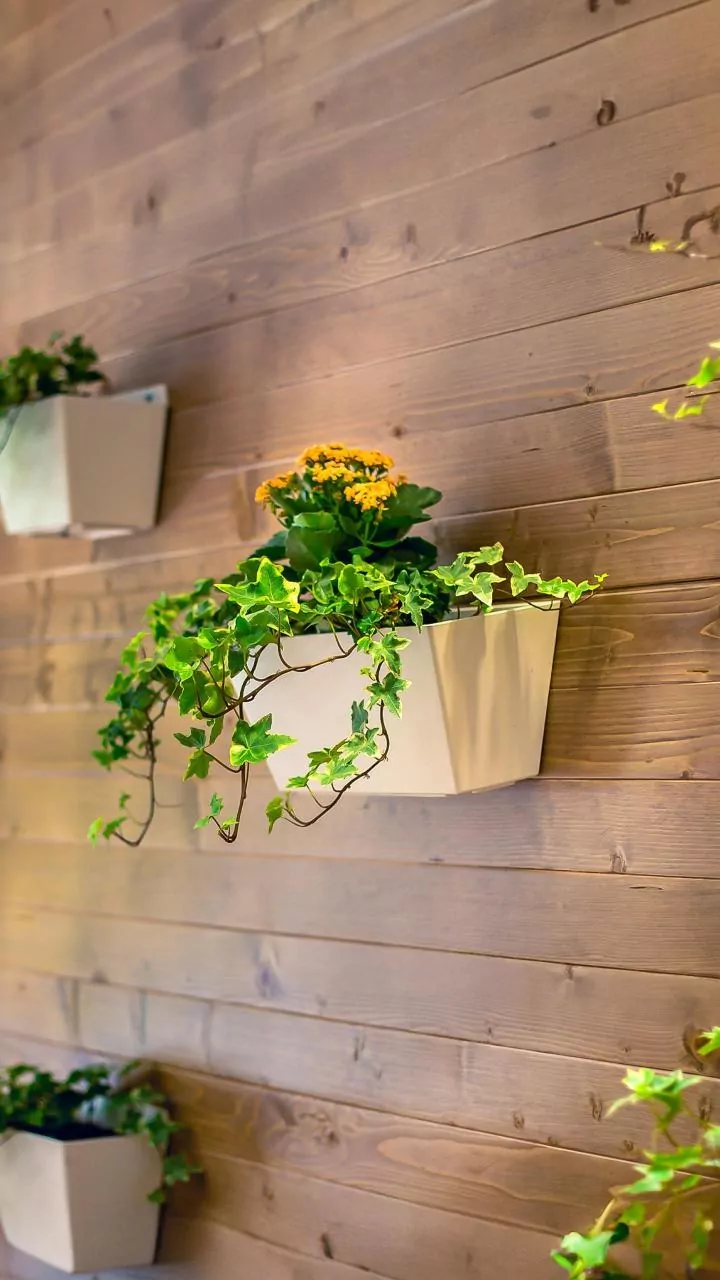
Getting started requires less than you might think. Forget needing a shed full of tools; a few key items will set you up for success. First, **containers**. You don't need fancy pots. A 5-gallon bucket with drainage holes, a window box, or fabric grow bags all work wonderfully. The key is depth (at least 6-8 inches for lettuce) and drainage. Standing water is the enemy of healthy roots. Second, **sunlight**. Most salad greens need at least 4-6 hours of direct sunlight per day. Before you buy a single seed, spend a day observing your balcony to find its sunniest spot. Third, **soil**. Don't just scoop dirt from a park. Buy a quality potting mix designed for containers. It's lightweight, drains well, and is free of the pests and diseases found in garden soil. Finally, **water**. Container plants dry out much faster than in-ground plants, especially on a windy, sun-beaten balcony. Plan to check the soil daily; if the top inch is dry, it’s time to water.
From Seedling to Salad Bowl
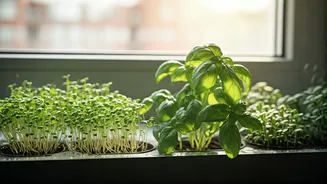
Once your plants are in the soil, the fun begins. If you’re planting from seed, follow the packet instructions for depth and spacing—most salad greens can be sown fairly densely. As your plants grow, remember the “cut-and-come-again” rule for your leafy greens: always harvest the oldest, outermost leaves first, using scissors or just pinching them off at the base. This encourages the plant to keep producing new growth from the center. Avoid the temptation to let them get too big, as younger leaves are often more tender and flavorful. A weekly liquid fertilizer feeding (a balanced formula diluted to half-strength is a good start) will help replace the nutrients that are washed out of the pot with each watering, keeping your miniature farm productive all season long.