



More Than Just Compost
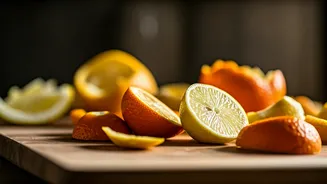
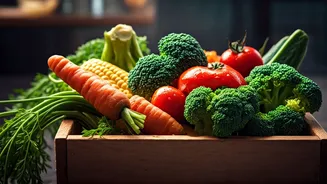
First, let's get one thing straight: a no-waste cooking class isn't a lecture on composting. It’s an immersive, hands-on lesson in culinary alchemy. Think of it as a magic show where the humble carrot top, the sturdy broccoli stalk, and the forgotten
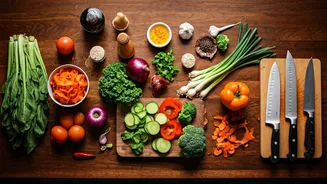
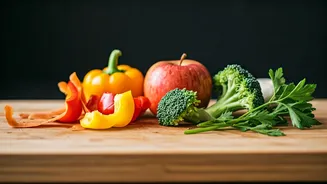
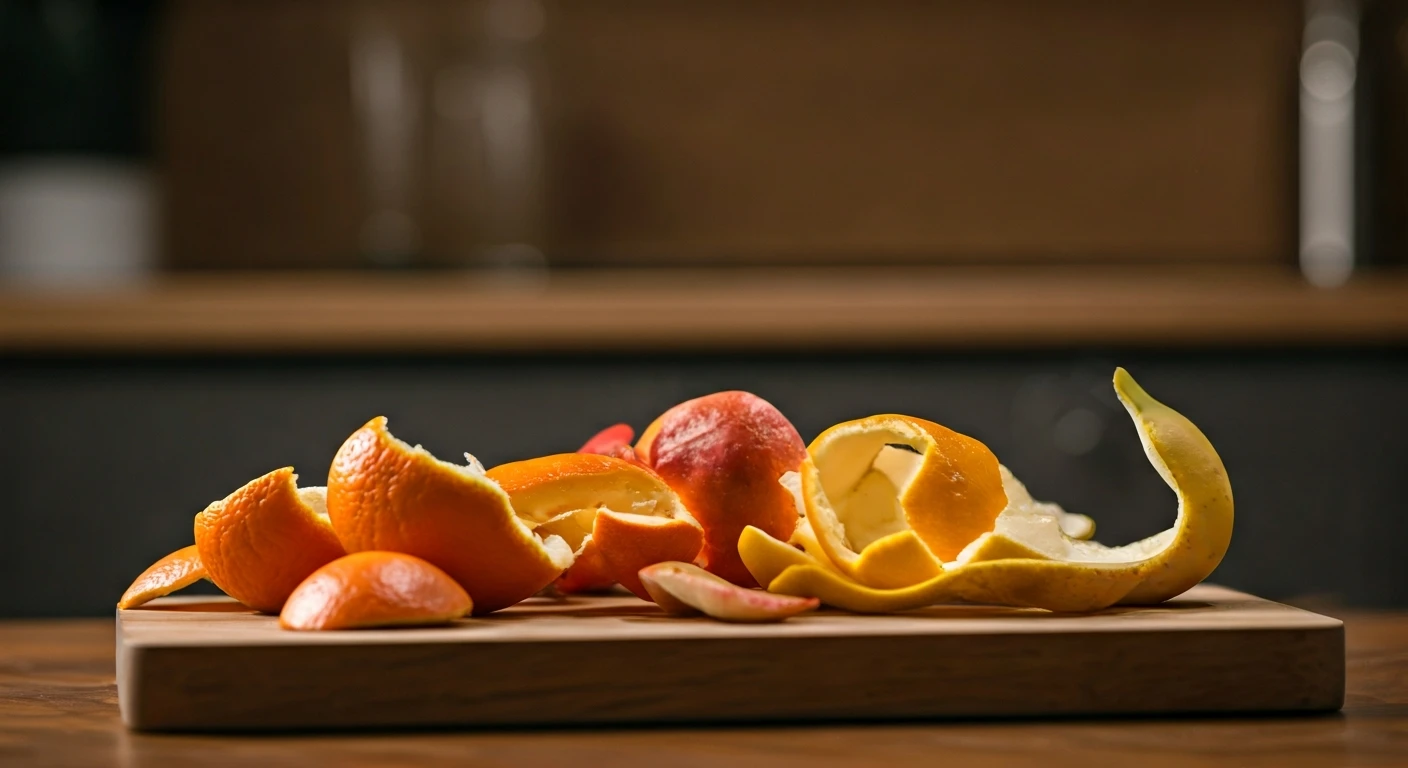
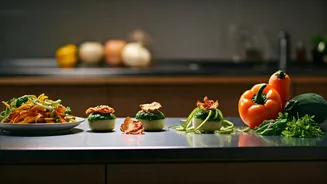
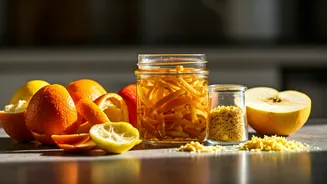
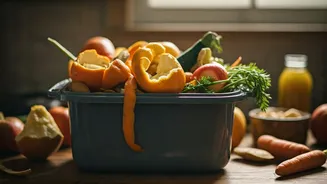
citrus peel are the stars. Instead of being relegated to the bin, these ingredients are transformed. In these classes, led by the very chefs who run the restaurant, students learn to turn vegetable peels into crunchy, seasoned crisps; woody herb stems into fragrant infused oils; and stale bread into a rich, savory bread pudding. It’s about a philosophy known as “root-to-stem” or “nose-to-tail” cooking, which champions using every part of an ingredient. The goal is to see potential where most of us see garbage, unlocking flavors and textures that are often, surprisingly, the most interesting parts of the food.
The Chefs Behind the Movement
This trend isn't just a marketing department's invention; it stems from a genuine shift in chef philosophy. For years, fine dining was associated with pristine, perfectly trimmed ingredients, which created an enormous amount of waste behind the scenes. Now, a new generation of chefs—and some seasoned veterans—are pushing back against that culture. They see value, both ethical and financial, in resourcefulness. Rising food costs and razor-thin profit margins make wasting ingredients a business liability. More importantly, many chefs feel a responsibility to address the food system's environmental impact. By teaching these classes, they’re not just sharing recipes; they're sharing a worldview. They're demonstrating that sustainable practices don’t require sacrifice—they can actually lead to more creative, delicious, and thoughtful cooking. It’s a return to the kind of resourceful kitchen wisdom our grandparents practiced, now repackaged for a modern, eco-conscious audience.
The 'Bait' is an Experience
So why is this effective “bait”? Because in a crowded market, restaurants are no longer just selling food; they're selling experiences. A great meal is memorable, but learning a new skill directly from a talented chef is unforgettable. These classes turn passive diners into active participants. Attendees get a behind-the-scenes look at a professional kitchen, connect with the chef on a personal level, and become part of an exclusive community. This creates a powerful sense of loyalty that a simple dinner reservation can’t match. When a student leaves with a jar of homemade pickled watermelon rind and the knowledge to make it themselves, they take a piece of the restaurant's ethos home with them. They become brand ambassadors, sharing their experience on social media and telling friends about the cool place that taught them how to cook with scraps. It’s marketing that doesn’t feel like marketing—it feels like a genuine connection.
A Gimmick or a Genuine Shift?
It’s fair to be skeptical. In an age of “greenwashing,” where sustainability can be more of a buzzword than a practice, one might wonder if these classes are just a clever ploy. The truth, as with most things, is probably somewhere in the middle. Yes, it’s absolutely a business strategy designed to increase revenue and build a customer base during typically slow hours. But for the restaurants and chefs who are truly committed, the classes are a natural extension of their daily operations. They’re already using these techniques in their own kitchens to control costs and reduce their carbon footprint. Offering to teach the public is simply pulling back the curtain on their real-world practices. The most successful examples are authentic. Diners can spot a gimmick, but they can also recognize genuine passion. As long as the class delivers real value and skills, it’s a win-win.