





1. Test Your Wiper Blades
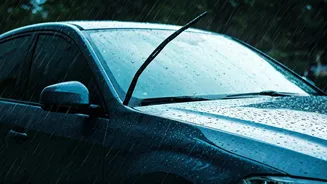
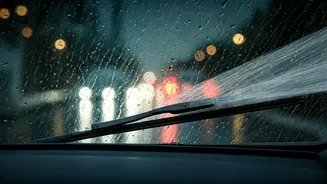
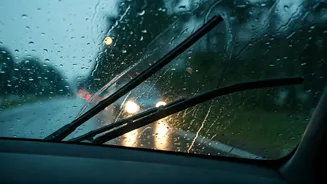
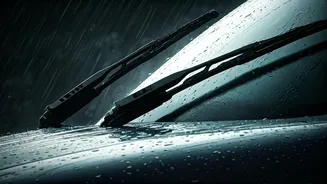
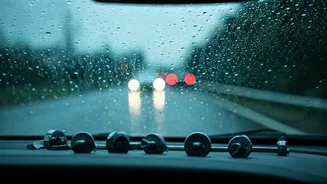
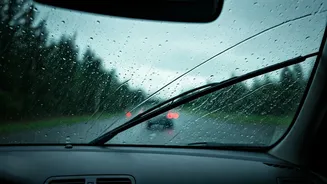
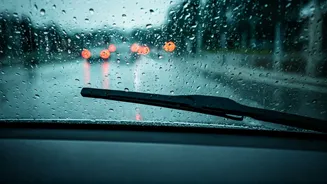
This is the single most critical check for rainy weather. Your ability to see the road, other cars, and potential hazards depends almost entirely on your wiper blades. Over time, the sun’s UV rays bake the rubber, causing it to crack, stiffen, and lose
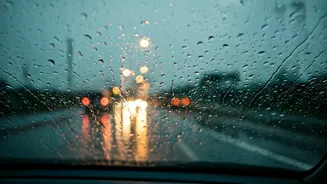
effectiveness. A bad set of wipers won't clear water; they'll just smear it, creating a dangerous, blurry mess, especially at night when facing oncoming headlights. **How to check:** Lift the blades off your windshield. Run your finger along the rubber edge. If it feels brittle, cracked, or has nicks, it’s time for a replacement. A simpler test: spritz your windshield and run the wipers. If they leave streaks, skip, or make chattering noises, they’re done. Wiper blades are inexpensive and one of the easiest DIY car maintenance tasks.
2. Inspect Your Tires
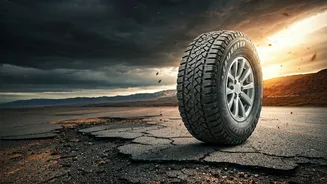
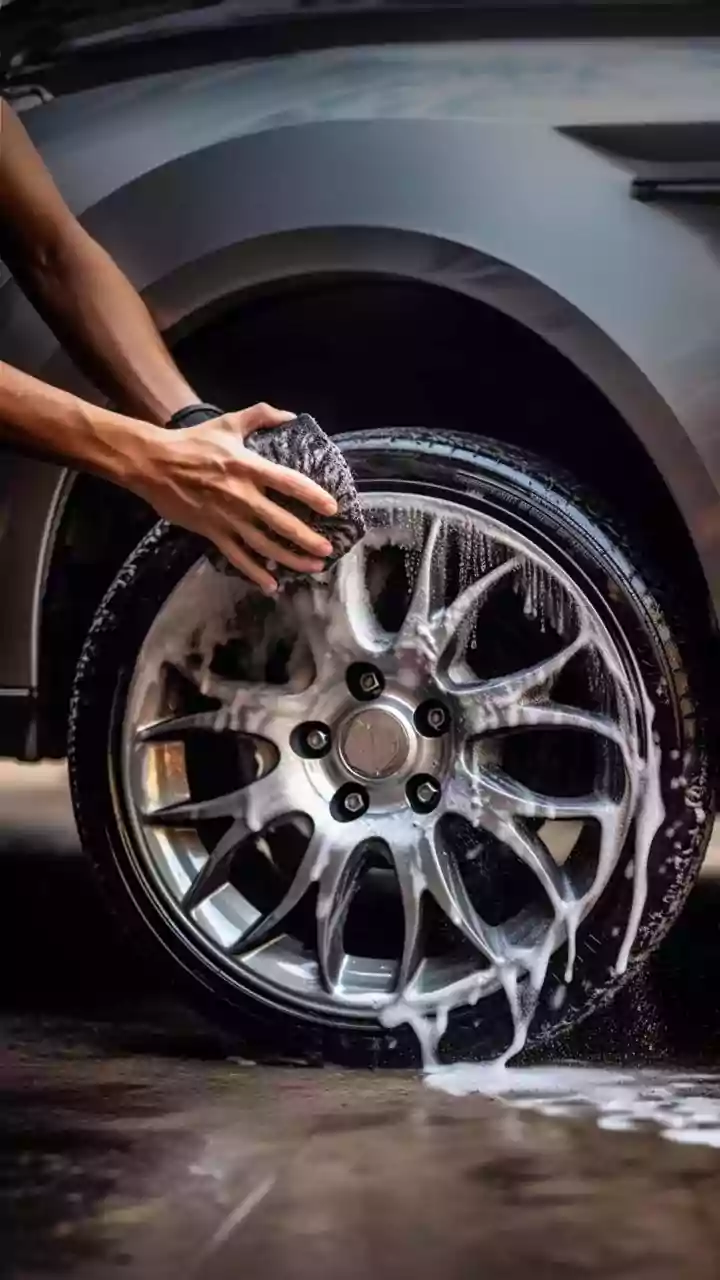
Tires are your car’s only connection to the road, and their role becomes even more crucial on wet surfaces. The deep grooves in your tire tread aren't for show; they're designed to channel water away from the contact patch, allowing the rubber to grip the asphalt. When tires are worn down, they can't clear water effectively, leading to hydroplaning—where your car essentially floats on a thin layer of water, causing a complete loss of steering and braking control. **How to check:** Use the classic penny test. Insert a penny into your tire's tread with Lincoln's head upside down. If you can see all of his head, your tread is dangerously low (below 2/32 of an inch) and you need new tires immediately. Also, check your tire pressure. Under-inflated tires can also increase hydroplaning risk and affect handling.
3. Check Your Brakes
It takes longer to stop on wet roads. Your brakes need to be in top condition to handle the decreased friction. If your brake pads are worn, you're adding precious feet to your stopping distance, which can be the difference between a close call and a collision. Listen for any warning signs like squealing, grinding, or a spongy-feeling brake pedal. While a full brake inspection is best left to a professional, you are the first line of defense in noticing when something feels off.
4. Verify All Exterior Lights
In a downpour, visibility drops dramatically for everyone. Your lights are just as important for being seen as they are for seeing. Have a friend or family member help you perform a quick check. Test your headlights (both low and high beams), tail lights, brake lights, and turn signals. A single burnt-out bulb can make your car nearly invisible from certain angles or make it impossible for the driver behind you to know you’re stopping. Many states also have laws requiring headlights to be on when wipers are in use, so make sure they work.
5. Top Off Your Washer Fluid
While it seems minor, this is a crucial partner to your wiper blades. Rain isn't just water; it’s a mix of dirt, oil, and grime kicked up from the road surface. This grimy spray coats your windshield and can’t be cleared by wipers alone. You need washer fluid to break down the oily film and restore clear vision. Running out during a storm can be just as blinding as having failed wipers. Make sure your reservoir is full before the season starts.
6. Test Your Defroster and A/C
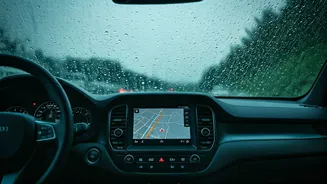
Rainy weather often brings humidity, and that means one thing for your car's interior: fog. A foggy windshield is a major safety hazard. Your car’s air conditioning system is the fastest way to defog your windows because it removes moisture from the air. Test both your A/C and your defroster vents to ensure they’re blowing strong. If your A/C isn't blowing cold, it may need a recharge, and it won't be effective at pulling humidity out of the cabin.
7. Look for Leaks
A small leak you never noticed during dry weather can become a big problem in a monsoon. Check the rubber seals around your doors, windows, and sunroof. Look for any cracking, brittleness, or visible gaps. A water leak can do more than just get your floor mats wet; it can lead to musty smells, mold growth, and potentially damage sensitive electronics located under the dashboard or seats. A quick visual inspection can help you spot a potential issue before it turns into a costly repair.