


Why Eating Your Water Works
Before we get to the grocery list, let's talk about why this works. Our bodies absorb water from food just as effectively as from a glass. In fact, some researchers suggest it might even be better in certain situations. The water in fruits and vegetables
is packaged within a fibrous structure, which can cause it to be released more slowly into your system, promoting more sustained hydration. Furthermore, these foods are often packed with essential electrolytes like potassium and magnesium, which are lost through sweat. These minerals are crucial for helping your body actually regulate its fluid balance. Think of it as nature's sports drink—water, vitamins, and electrolytes all in one tasty package.
Watermelon: The Undisputed Champion
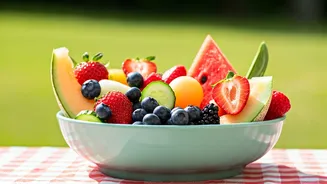
It’s no surprise that a food with “water” in its name tops the list. At about 92% water, watermelon is an iconic summer hydrator. But its benefits go beyond sheer water content. It’s also a fantastic source of lycopene, a powerful antioxidant that gives it its red hue and may help protect skin from sun damage. Plus, a small amount of the amino acid L-citrulline can aid in muscle recovery, making it the perfect post-workout or post-yardwork treat. Cube it for a simple snack, blend it into a refreshing slushie, or toss it with feta and mint for a surprisingly sophisticated summer salad.
Cucumber: The Coolest Customer
With a water content of around 96%, cucumber is one of the most hydrating solids you can eat. Its low-calorie profile makes it an incredibly efficient way to add fluid to your diet without feeling weighed down. The cooling effect is more than just a sensation; the vegetable contains fisetin, an anti-inflammatory compound. Beyond adding slices to your water bottle for a spa-like infusion, cucumbers are a workhorse in the kitchen. Slice them for salads and sandwiches, use them as edible scoops for dips like hummus, or blend them into a chilled gazpacho for a no-cook summer meal.
Celery: The Crunchy Hydration Stick
Often dismissed as diet food, celery is a hydration powerhouse at approximately 95% water. Those crunchy stalks are more than just water and fiber; they deliver a dose of vitamin K, folate, and potassium. The natural sodium in celery also helps replace an electrolyte you lose in sweat, making it a smart choice on particularly hot and active days. While pairing it with peanut butter or cream cheese is a classic, try dicing it into tuna or chicken salad for extra crunch and moisture, or use a stalk as a savory stirrer for your weekend Bloody Mary.
Strawberries: The Sweet Hydration Boost
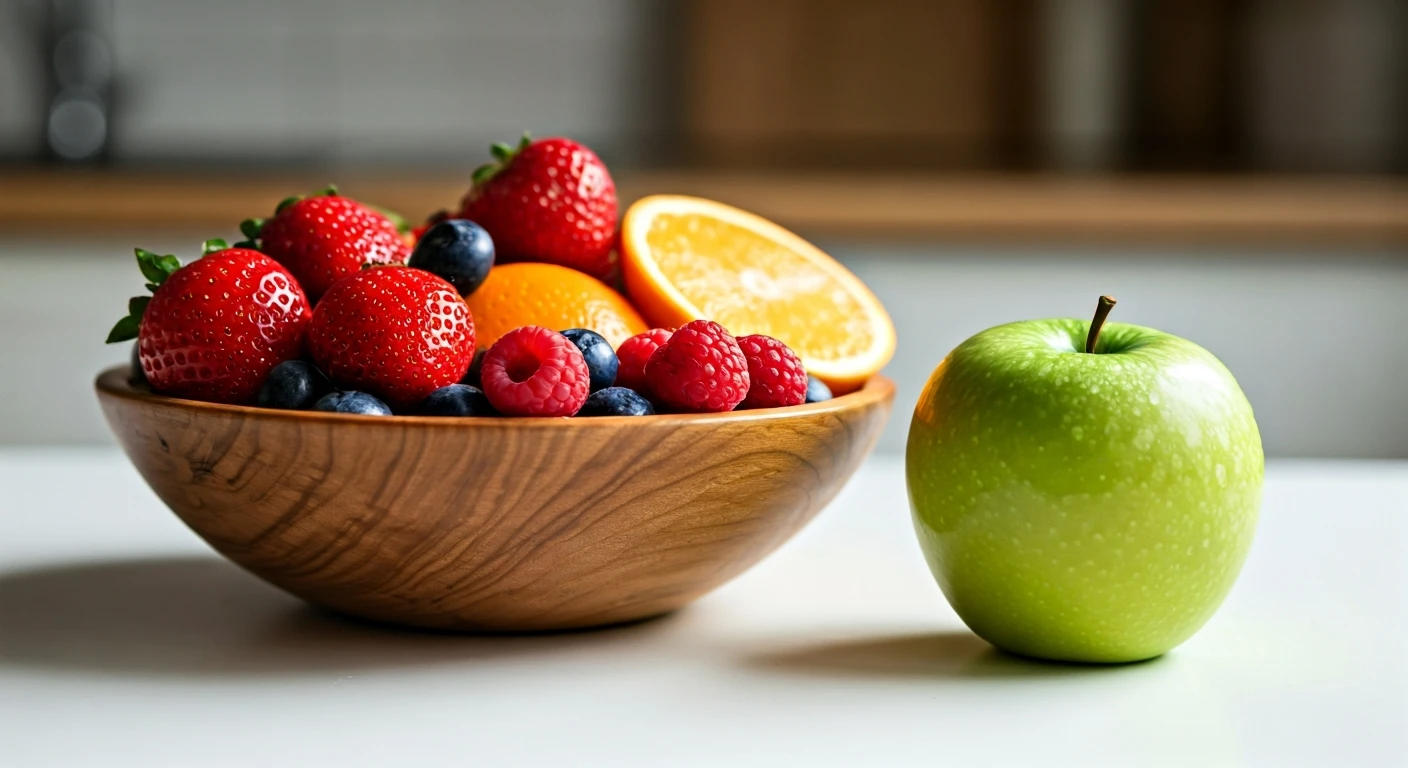
All berries are great for hydration, but strawberries are a standout, clocking in at around 91% water. They offer a huge nutritional punch for their size, loaded with vitamin C and antioxidants called flavonoids, which contribute to heart health. Their natural sweetness can satisfy a sugar craving while simultaneously contributing to your daily fluid intake. They’re perfect on their own, but also shine when sliced over oatmeal or yogurt, blended into a smoothie, or muddled with a little basil and lime for a refreshing mocktail base.
Bell Peppers: The Versatile Hydrator
Don’t sleep on bell peppers, which boast a water content of up to 94%. While all colors are hydrating, green peppers tend to have the highest water content, while red peppers deliver an incredible amount of vitamin C—more than an orange. They add satisfying crunch and moisture to almost any dish. Slice them up for dipping, dice them into omelets, toss them into stir-fries, or grill them until they’re sweet and smoky. Their versatility makes it easy to incorporate them into multiple meals a day, boosting your hydration without you even noticing.