






The Backlash to 'Buy, Buy, Buy'
Remember the era of the mega-haul? Influencers standing before mountains of packages from Shein, Zara, and Amazon, breathlessly unboxing products they might use only once for a video. For a long time, that was the dominant rhythm of online culture. More
was more. But the pendulum is swinging back, hard. A key driver of this shift is a phenomenon called “de-influencing.” Instead of telling their followers what to buy, a growing number of creators are telling them what *not* to buy. They’re calling out overhyped, overpriced, or poor-quality products, saving their audience money and buyer’s remorse. This isn’t just contrarianism for clicks; it’s a direct response to years of feeling manipulated by marketing and overwhelmed by clutter. It reflects a generation exhausted by the pressure to consume, seeking instead the liberation of wanting less.
From Fast Fashion to Found Style
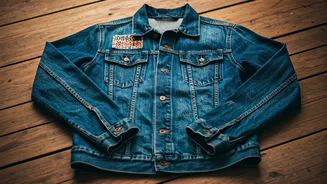
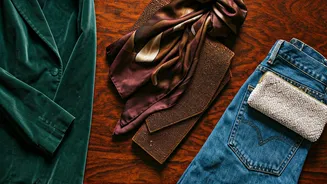
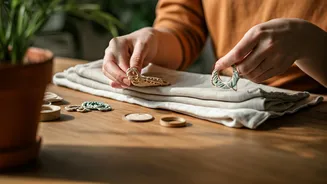
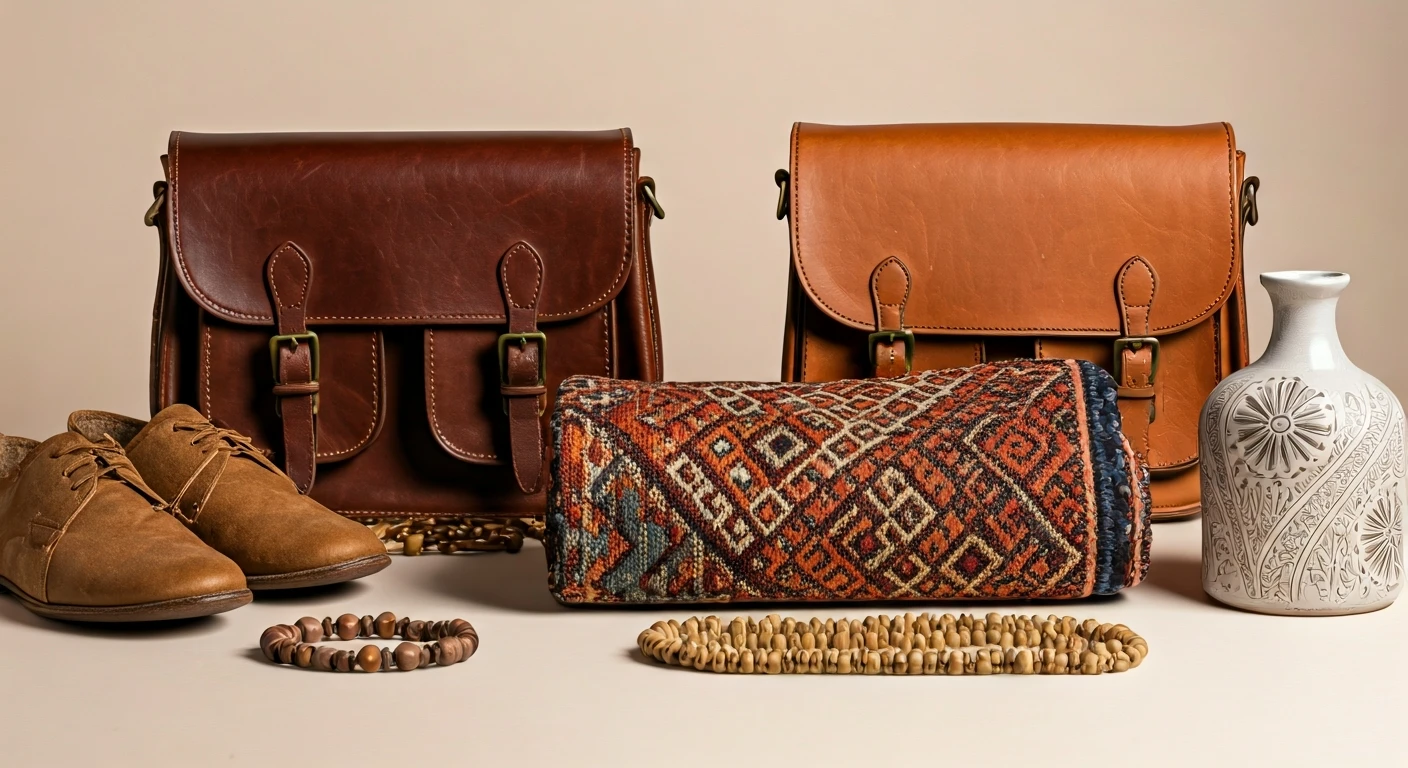
Nowhere is this shift more visible than in fashion. The ultra-fast fashion cycle, which once had young consumers in a chokehold, is losing its grip. In its place is a renewed appreciation for longevity, personality, and sustainability. Thrifting, once a niche activity, is now a primary mode of shopping for many, but with a twist. It’s not about finding cheap knock-offs; it’s about hunting for unique, well-made vintage pieces that tell a story. This “curated thrifting” builds a wardrobe that’s truly personal, not a carbon copy of a TikTok trend. Alongside thrifting, there’s a resurgence in mending and altering clothes. Sewing skills are cool again. The goal is to build a smaller, more meaningful closet filled with items that are loved and cared for, rather than a disposable wardrobe that churns with the seasons. It’s a move that satisfies both the desire for unique style and the practical need to make things last.
When Budgeting Becomes a Flex
For Millennials, financial conversations were often shrouded in either shame or awkward silence. For Gen Z, they’re becoming a point of pride. Enter “loud budgeting,” a term that went viral for its simple, powerful premise: being open and unapologetic about your financial goals and limitations. Instead of making excuses like “I’m busy that night,” people are saying, “I can’t, it’s not in my budget.” Far from being a buzzkill, it’s been embraced as a tool for empowerment. It dismantles the social pressure to spend money you don’t have just to keep up appearances. This trend is a pragmatic reaction to economic realities like inflation, student debt, and a tough job market. But it’s also a cultural statement, rejecting the fantasy of effortless wealth that dominated Instagram for a decade. In this new framework, financial responsibility isn’t boring—it’s smart, respectable, and even cool.
The Allure of the Analog
After growing up as digital natives on chronically online platforms, many young people are finding joy in the tangible. There’s been a remarkable revival of analog hobbies and media. Vinyl record sales continue to climb, film photography is flourishing, and independent bookstores are seeing renewed interest from young readers who prefer the feel of a physical book. Hobbies like knitting, pottery, and baking are not just for aesthetics on a social feed; they are screen-free activities that offer a sense of accomplishment and a connection to the physical world. This isn’t a rejection of technology but a rebalancing of it. It’s a conscious choice to carve out moments of focused, sensory experience in a world designed for distraction. This desire for the real and the tactile is perhaps the ultimate expression of “sense”—a way to ground oneself when the digital world feels overwhelming.