





A Festival of Primordial Power
To understand the food, you first have to understand the Ambubachi Mela. Held at the Kamakhya Temple in Guwahati, Assam, this annual Hindu festival is one of the most significant gatherings in the country. It’s a celebration of the divine feminine energy,
Shakti, and the earth's fertility, centered around the goddess Sati. For four days, millions of pilgrims, ascetics, and curious travelers throng the temple complex, creating a dizzying, overwhelming spectacle of color, sound, and devotion. But amid this intense spiritual energy, a different kind of devotion takes place: the preparation and sharing of a sacred meal.
The Philosophy of Purity on a Plate
The cuisine of Ambubachi Mela isn't about culinary fireworks; it's about spiritual purity. The food served is strictly Sattvic, a concept from yogic and Ayurvedic traditions that emphasizes foods promoting calmness, clarity, and well-being. This means everything is purely vegetarian, but the restrictions go further. The two most common ingredients in Indian cooking—onion and garlic—are completely forbidden. In Hindu philosophy, these ingredients are considered 'rajasic' or 'tamasic,' meaning they are believed to agitate the mind and body, distracting from spiritual focus. The goal here isn't just to feed the body, but to nourish the soul without disturbance. For a Western palate accustomed to alliums as the foundation of flavor, the result is astonishingly complex.
Finding Flavor in Simplicity
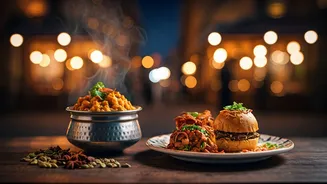
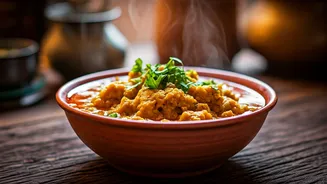
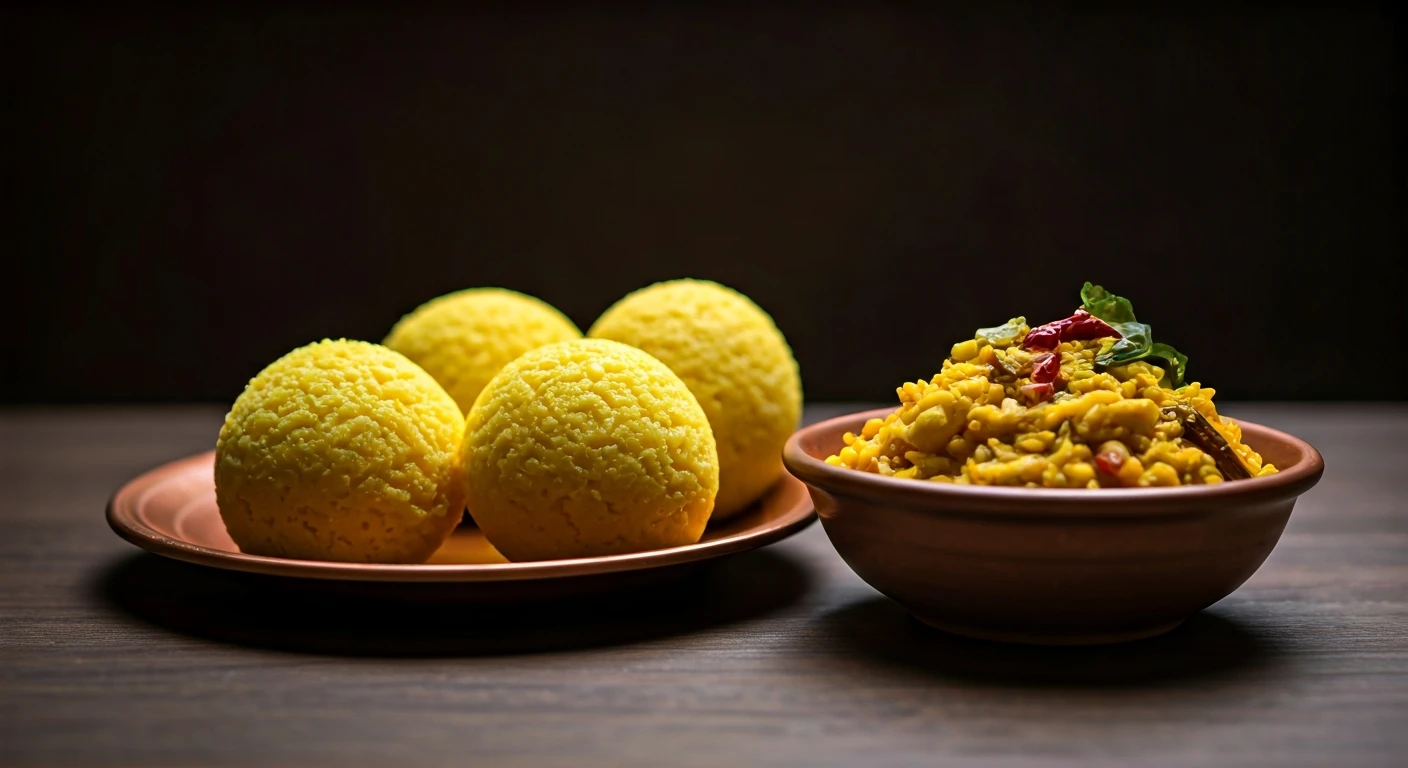
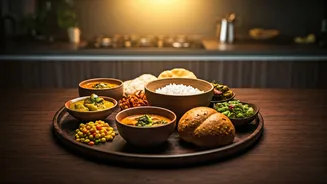
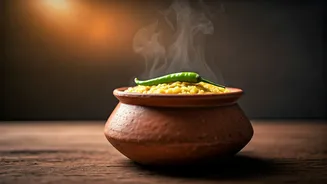
So what do you eat when the foundational elements of flavor are removed? This is where the culinary genius of the Mela shines, leaving visitors deeply impressed. The star of the show is often the 'bhog'—a divine offering served as a meal. This typically includes a simple but deeply satisfying khichdi, a porridge of rice and lentils gently spiced with ginger, turmeric, and cumin. It’s served alongside 'labra,' a sublime mixed-vegetable stew where pumpkin, potatoes, eggplant, and beans meld into a harmonious whole, their natural sweetness coaxed out by slow cooking. Instead of the pungency of onion and garlic, chefs rely on a masterful blend of other spices like fennel, coriander, and bay leaves, along with the richness of ghee (clarified butter), to create a flavor profile that is both clean and incredibly profound. It’s a lesson in how much taste can be derived from simple, pure ingredients when treated with intention.
A Communal Feast for Millions
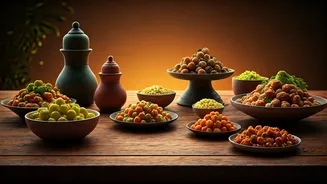
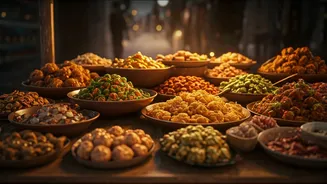
Perhaps the most awe-inspiring aspect of the Ambubachi Mela’s cuisine is the sheer scale of it all. This isn't a small, curated affair. Massive temporary kitchens are set up, with giant cauldrons simmering over wood fires. Hundreds of volunteers work tirelessly, chopping vegetables, stirring pots, and serving meals to endless lines of pilgrims, free of charge. The act of eating 'prasad' (food offered to a deity) is a communal experience that dissolves social barriers. Everyone, regardless of caste or wealth, sits together to eat the same simple, sanctified meal. It’s a powerful demonstration of community and service, turning the simple act of eating into a shared spiritual practice. This spirit of generosity and the unexpectedly delightful food are what many visitors, far from being formal critics, remember most vividly.