
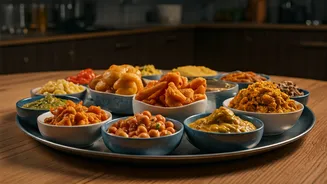


Beyond the Buffet Line
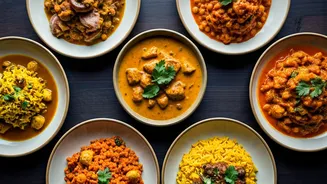
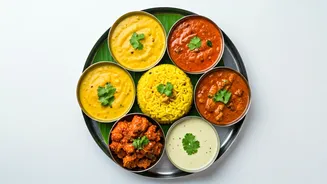
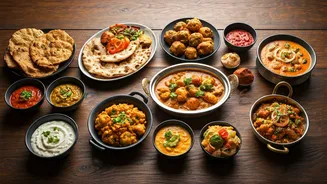
Let’s be honest: for most Americans, the Indian culinary landscape has been defined by a few key landmarks. Chicken tikka masala, saag paneer, lamb vindaloo, and garlic naan. These dishes, primarily rooted in North Indian, specifically Punjabi, cuisine,
became the de facto ambassadors of a nation with the population of a continent. This wasn't by accident. Early Indian immigrants to the U.S. and the U.K. largely hailed from this region and adapted their recipes to suit Western palates, toning down the heat and amping up the cream and sweetness. The resulting 'Mughlai' style, with its rich, velvety sauces, was comforting, accessible, and easy to scale for a restaurant setting. It created a successful formula, but one that inadvertently flattened a universe of flavor into a single, predictable page on a laminated menu.
The New Guard of Flavor
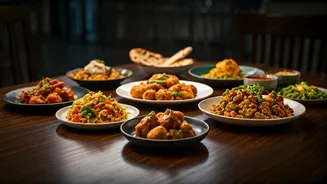
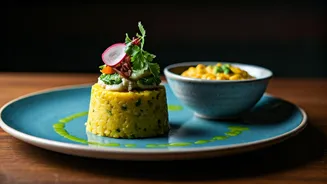
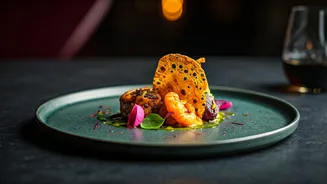
That page is finally being turned. A new generation of Indian chefs and restaurateurs across the United States is leading a revolution not of invention, but of revelation. Unbound by the need to cater to a perceived timid palate, they are cooking the food of their childhoods, their hometowns, and their grandparents. In New York, restaurants like Dhamaka and Semma have earned critical acclaim and impossible-to-get reservations by focusing on hyper-specific, unapologetically bold dishes. Dhamaka showcases the “unapologetic” food from the forgotten corners of India, like goat neck biryani and pressure-cooker chicken. Semma, the first South Indian restaurant in the U.S. to earn a Michelin star, celebrates the pastoral cooking of Tamil Nadu with dishes like snail curry and venison stew. They are part of a national movement, from Meherwan Irani’s Chai Pani in Asheville, which champions Indian street food, to modern coastal kitchens popping up in California. The common thread? Authenticity, not as a buzzword, but as a passionate commitment to a specific place.
A Map on Your Plate
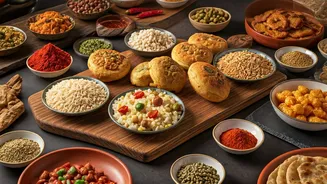
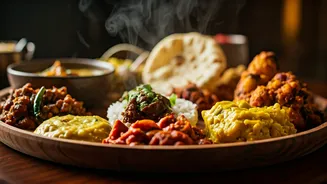
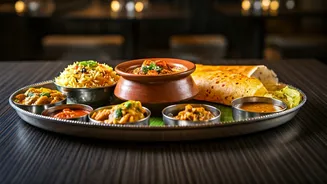
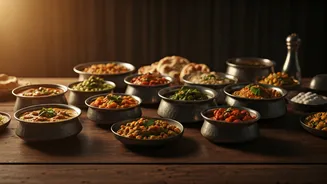
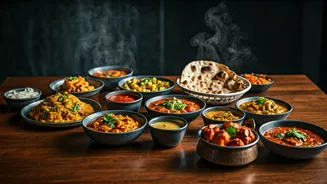
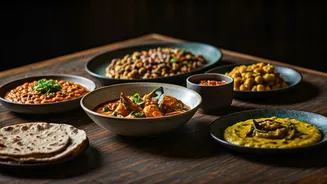
So what does this diversity actually taste like? It's the difference between a country and a continent. Imagine the food of India as a vast culinary map. In the tropical south, you find light, tangy flavors built on coconut, tamarind, and rice. A classic Keralan fish curry is worlds away from a Punjabi butter chicken, using coconut milk for its base and featuring the sharp notes of mustard seeds and curry leaves. Head to the western coast of Goa, and you’ll find Portuguese influence in tangy, vinegar-laced dishes like pork vindaloo in its fiery, authentic form. In the eastern state of Bengal, mustard oil provides a pungent backbone to delicate fish preparations and sweets. In the Himalayan north, the food of Kashmir is fragrant with saffron, fennel, and dried ginger, producing aromatic lamb dishes like rogan josh. This isn't just about different ingredients; it's about entirely different philosophies of cooking, shaped by climate, religion, trade routes, and local agriculture.
Why Now? The Perfect Storm
This shift didn’t happen overnight. It’s the result of a perfect storm of cultural and social factors. Second- and third-generation Indian Americans, more secure in their identity, are driving demand for the foods they grew up with, not the Anglicized versions. Social media, particularly Instagram, has also played a huge role; a vibrant, intriguingly named dish from a regional kitchen is far more compelling online than another bowl of orange-hued curry. Furthermore, American diners have evolved. Decades of exposure to Thai, Vietnamese, and Mexican cuisines have trained our palates to appreciate complexity, funk, and spice. We are no longer just diners; we are explorers. The search for 'authenticity' has moved from a niche foodie pursuit to a mainstream desire. We don't just want food that tastes good; we want food that tells a story. And India has a billion stories to tell.